Stories of American Independence
Independence was not one event but many. For the tradespeople and gentry of Williamsburg, it created new economic uncertainties. Enslaved people, women, Loyalists, and Indigenous peoples experienced new promises and perils. For everyone in the new United States, independence meant more than abstract ideals. Its meaning came from lived experience in the streets, in the shops, and in the cities where an independent nation became a reality.
Independence in Williamsburg
On May 15, 1776, Virginia’s assembly in Williamsburg voted to instruct its delegates in Philadelphia to propose independence to the Continental Congress, pushing other colonies toward action. The Declaration of Independence followed a few weeks later, shattering more than a century of British rule.
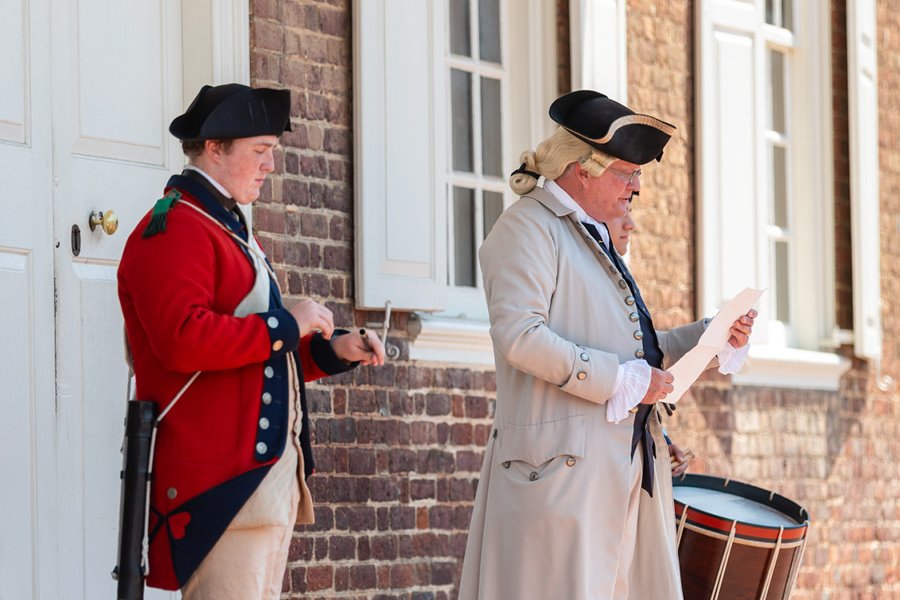
Change came quickly. Soldiers arrived in town. Loyalists departed. Some enslaved people continued to escape for British lines. Some members of the gentry took on new leadership roles, while tradespeople grappled with the economic disruptions caused by independence. Whatever independence meant to each of them, it had remade the world they shared.
Independence and the Enslaved
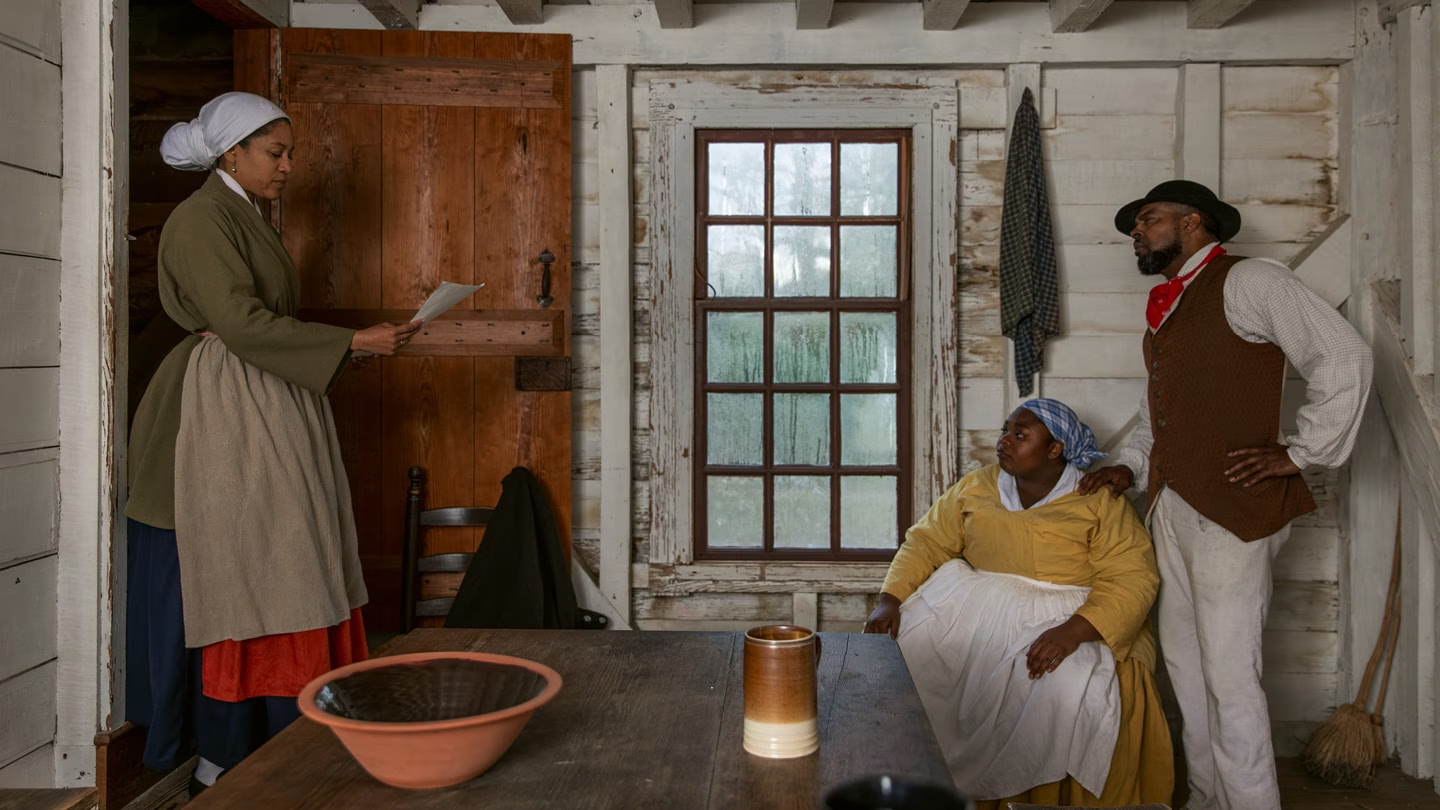
Independence created new opportunities for freedom among Williamsburg’s enslaved community.
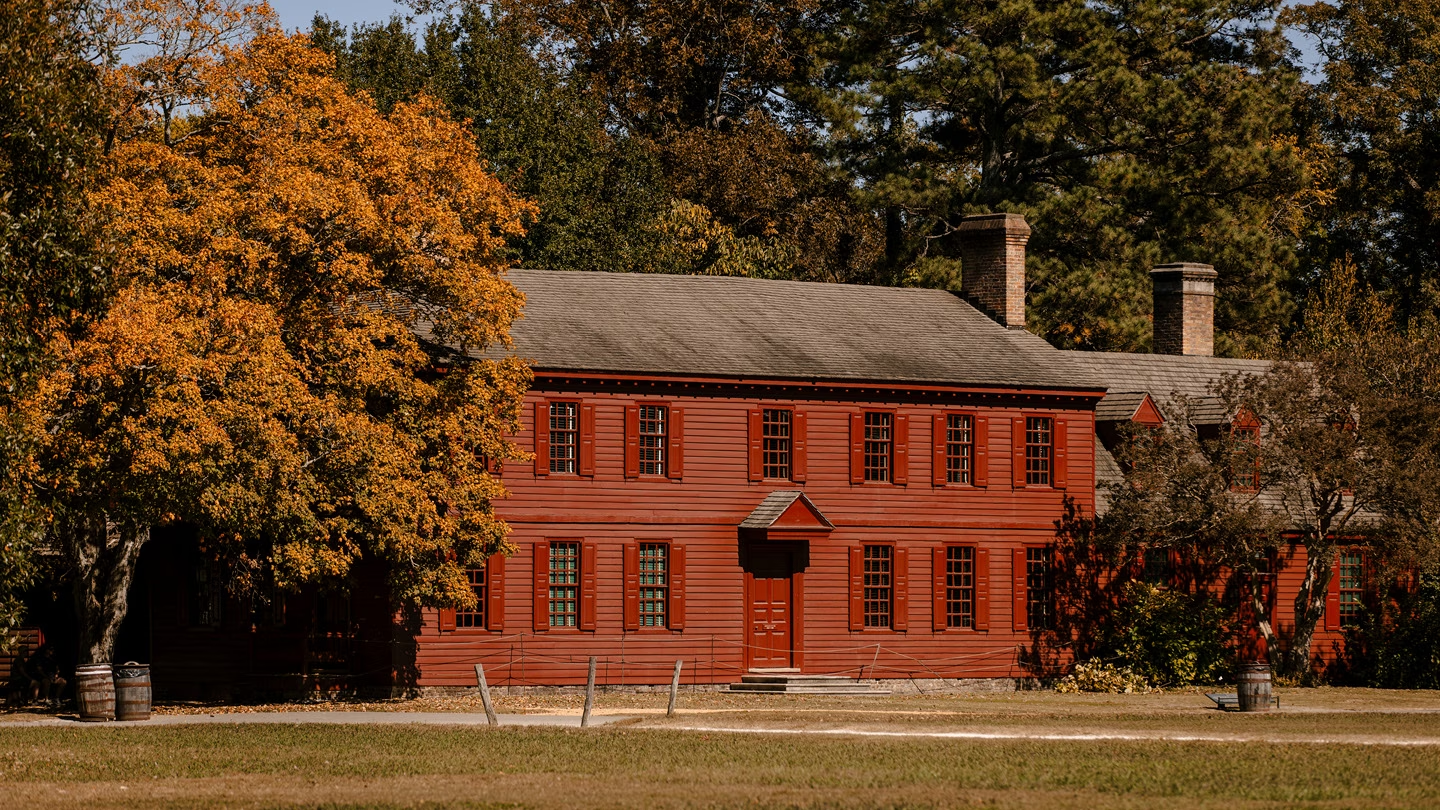
The Peyton Randolph house, in Williamsburg, witnessed many enslaved people seeking freedom during the Revolutionary War.
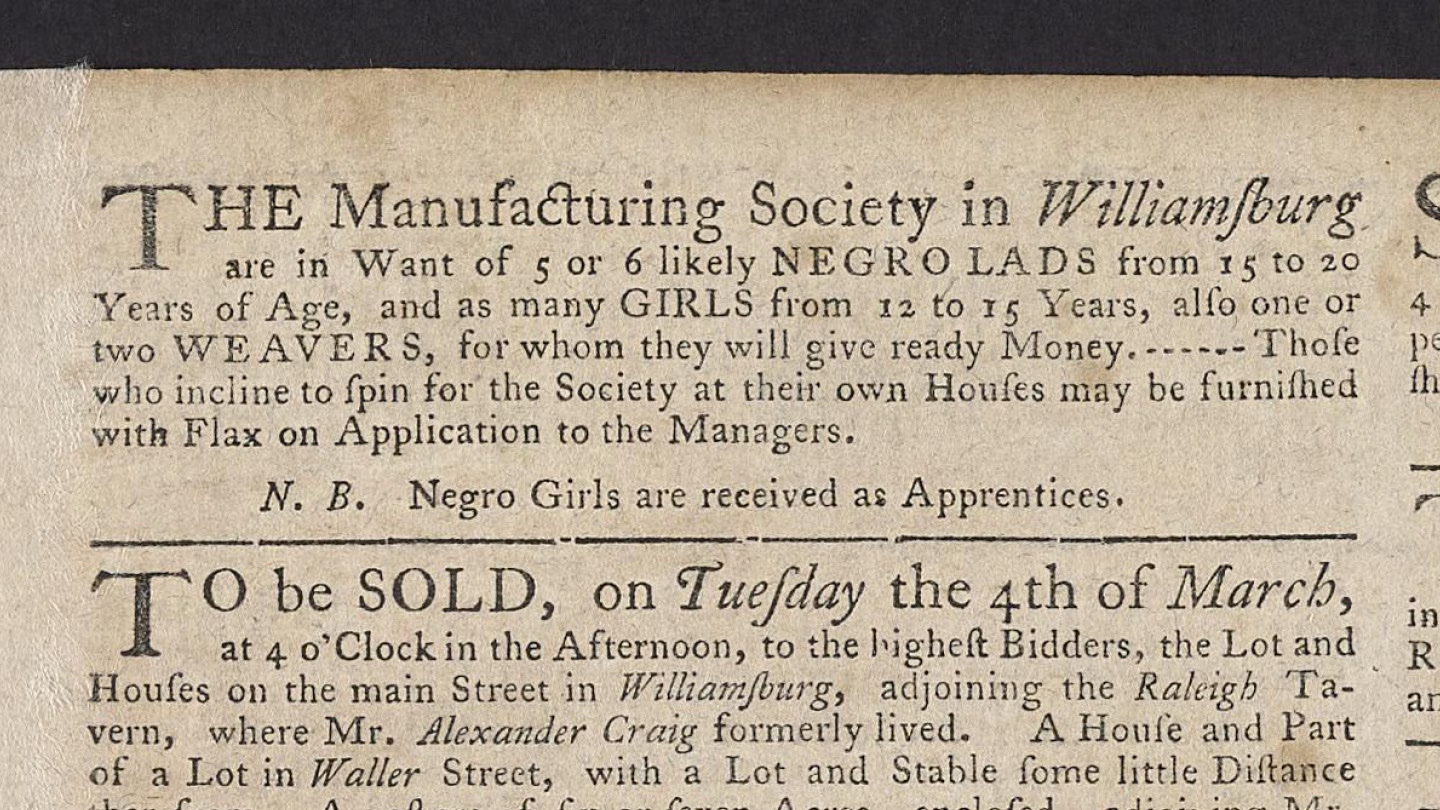
The Williamsburg Manufacturing Society, which produced cloth for military use, advertised seeking enslaved workers in 1777. Source.
Williamsburg’s enslaved population, who made up half of the city by 1776, experienced American independence in many ways. For some, it meant an opportunity to seek their own freedom. For others, such as those left behind by Loyalists and royal officials, it meant new uncertainty about the future. For many enslaved people, the independence movement raised more questions than answers. They must have wondered how they would fare in this new nation, which proclaimed through its resolutions and declarations that it was built upon a profound moral commitment to liberty and freedom.
Slavery and Freedom
In 18th-Century Williamsburg
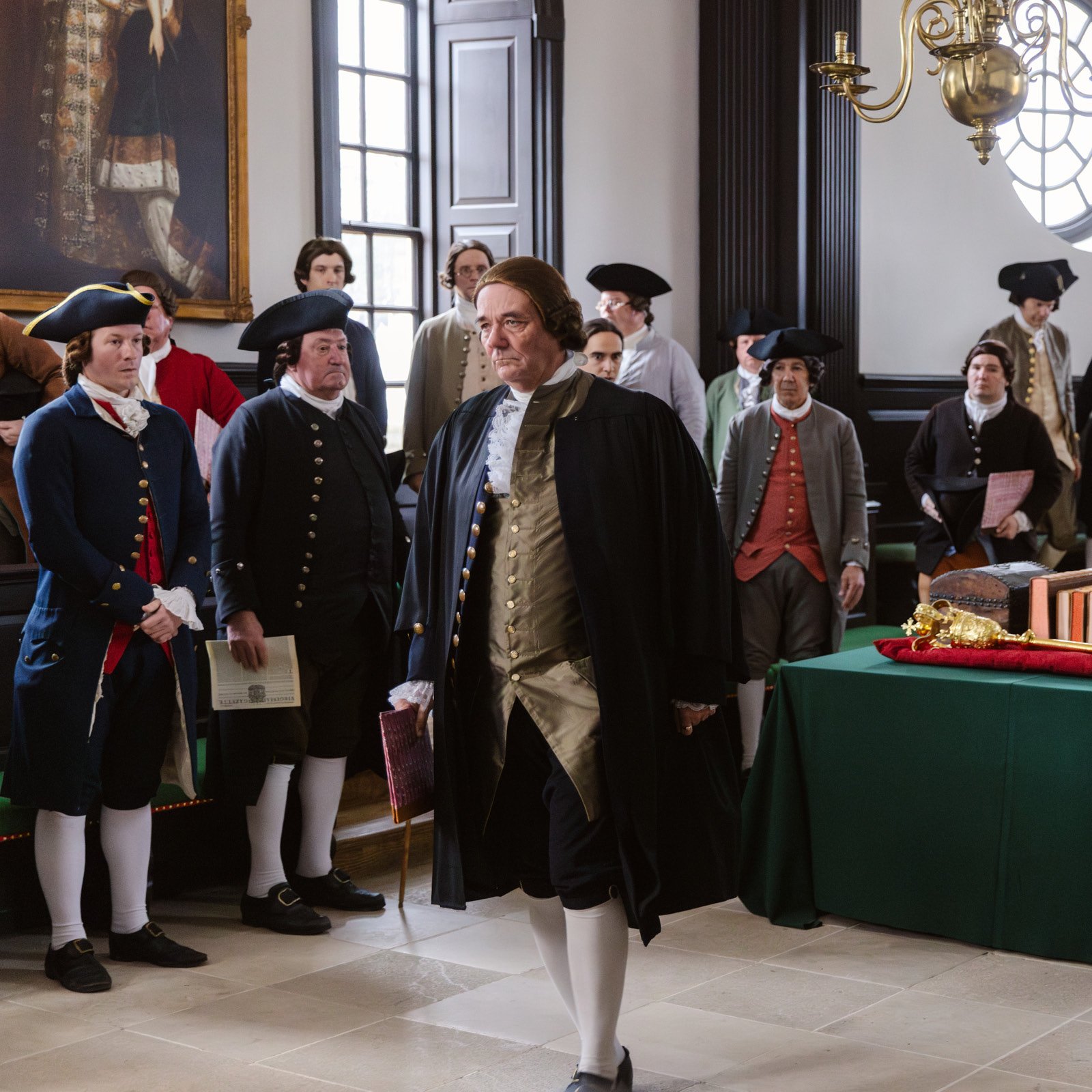
Enslaved people found new opportunities for freedom in an era of independence and rupture. Watch this performance of “Promise of Freedom,” featuring a story of enslaved people navigating the possibilities of freedom in 1775.
Stories of Loyalty and Loss
War meant choosing sides. Many of Williamsburg’s people supported the revolutionaries. Some remained loyal to the Crown. Still others maintain flexibility as events unfolded. Scroll to learn more about loyalty in a revolutionary era.
John Randolph
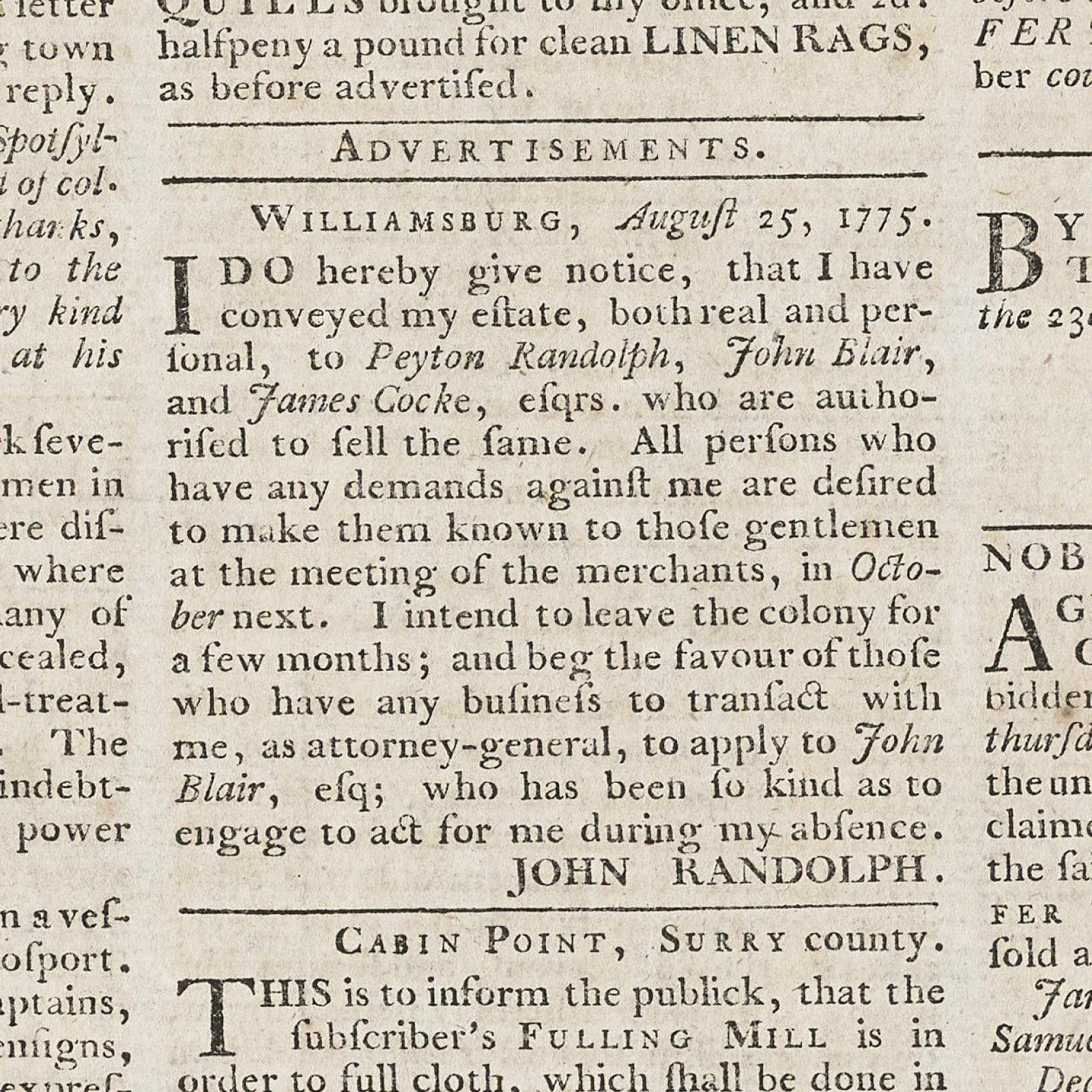
One of Williamsburg’s most prominent residents, John Randolph was a lawyer, member of the House of Burgesses, and Attorney General for Virginia. Despite being the younger brother of revolutionary leader Peyton Randolph, he was a staunch defender of royal power. In 1775, he and his family left Williamsburg for England.
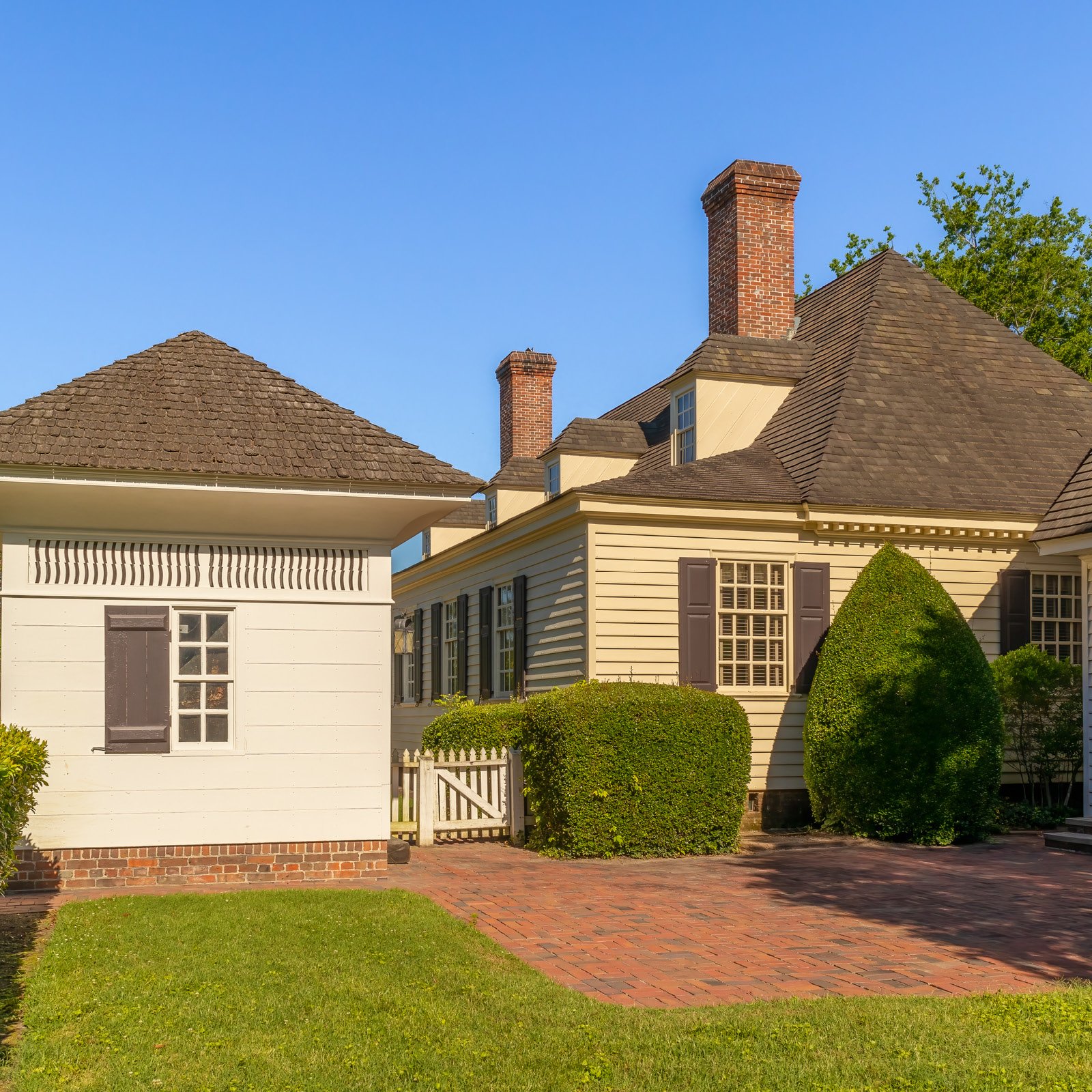
Benjamin Bucktrout
Like many Williamsburg residents, Benjamin Bucktrout’s loyalties may have shifted with changing events. In 1776, along with his cabinetmaking business, shown here, he built a gunpowder mill for the rebel cause. But by 1781 he was listed as having "joined the British Army." He later returned to town.[7]
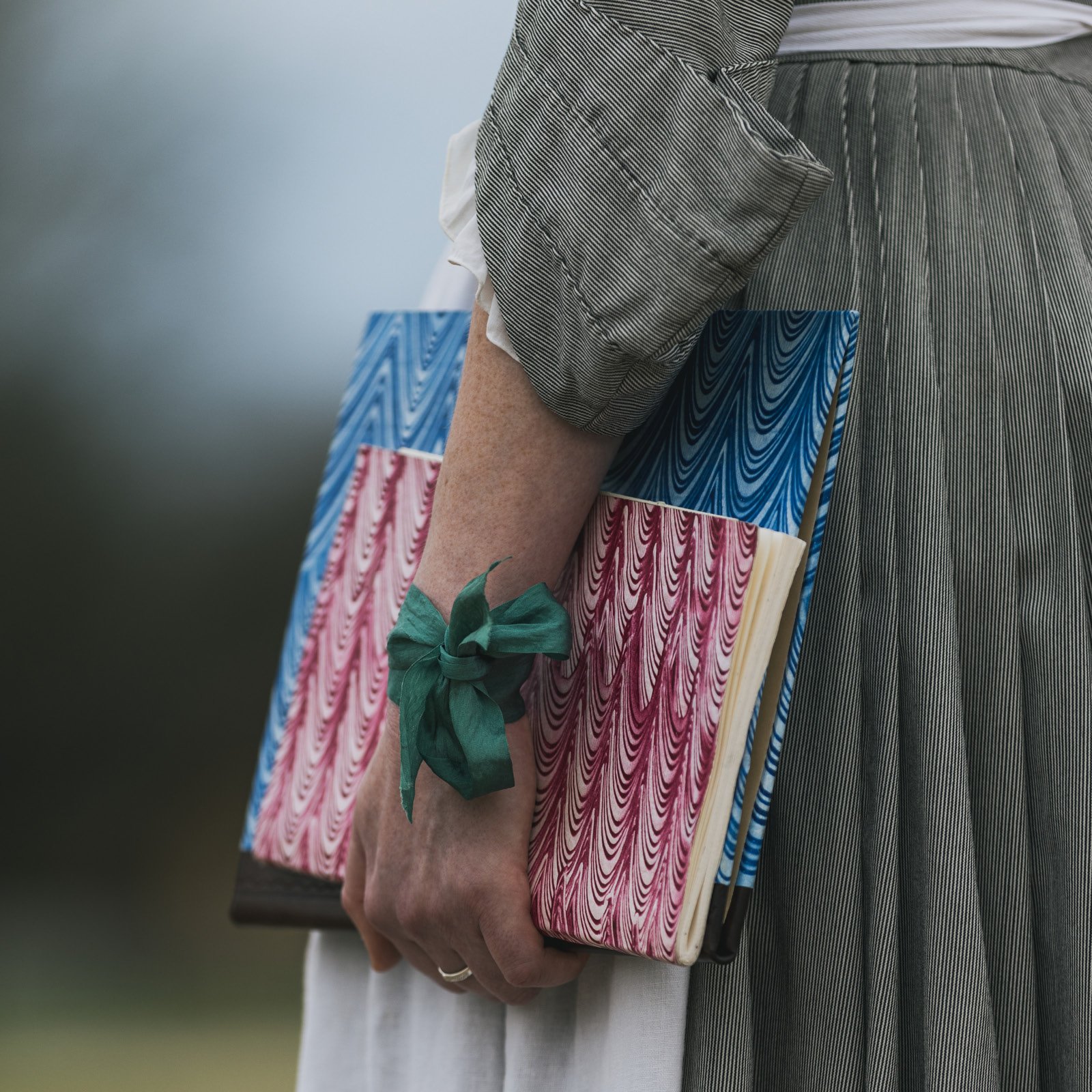
Frances Hubard
A husband’s loyalty was not always his wife’s. Frances Hubard was the wife of a Loyalist lawyer who was imprisoned in Yorktown before fleeing for British lines in New York City, where he died. She and her seven children survived, in part, by providing room and board to Continental Army soldiers in Williamsburg.[8]
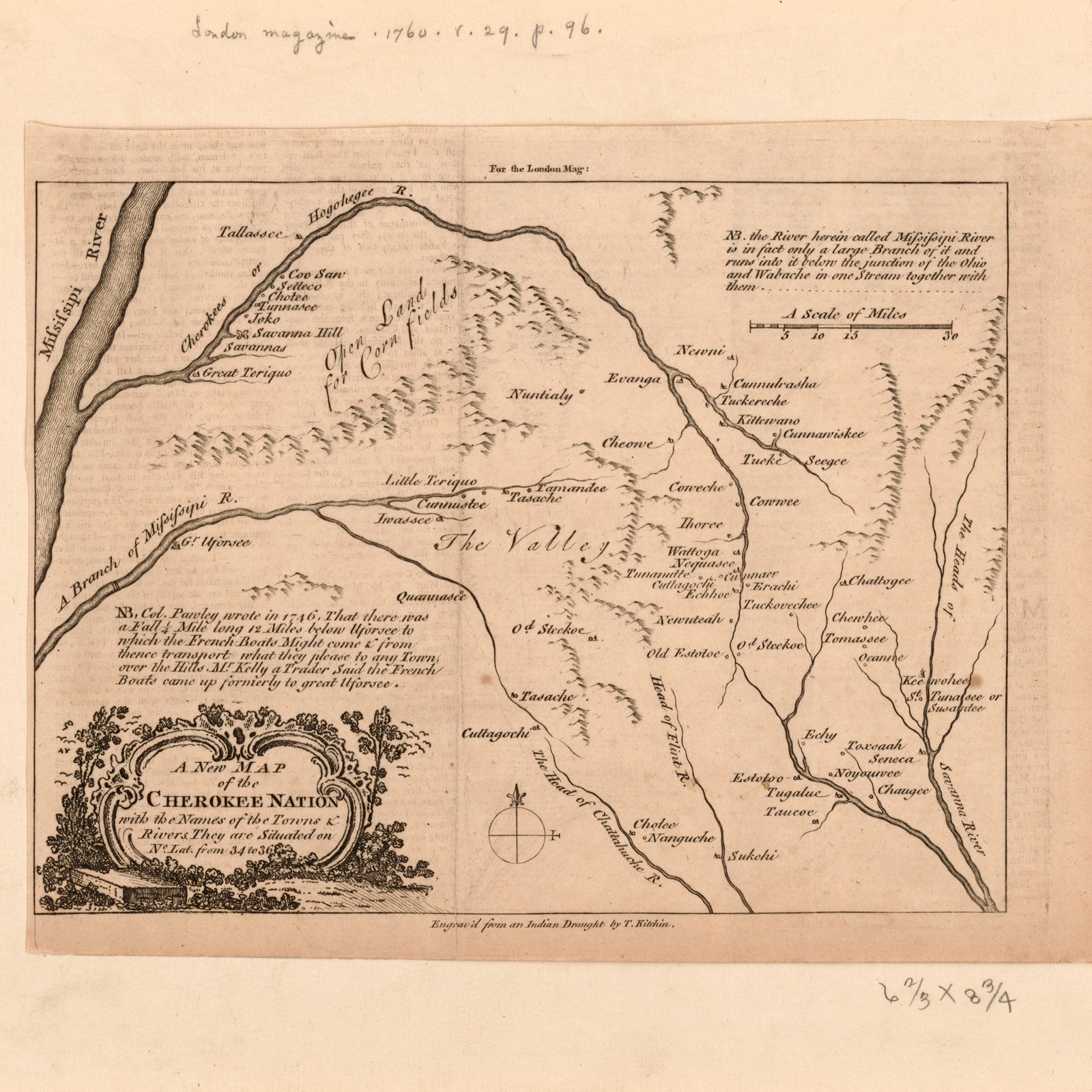
Nanyehi (Nancy Ward)
An influential Cherokee leader, Nanyehi’s diplomacy allowed her to maintain the respect of the Virginians, even as her neighbors and kinspeople fought them during the war. Her reputation likely helped to protect her town, Chota, from destruction by the Continental Army.
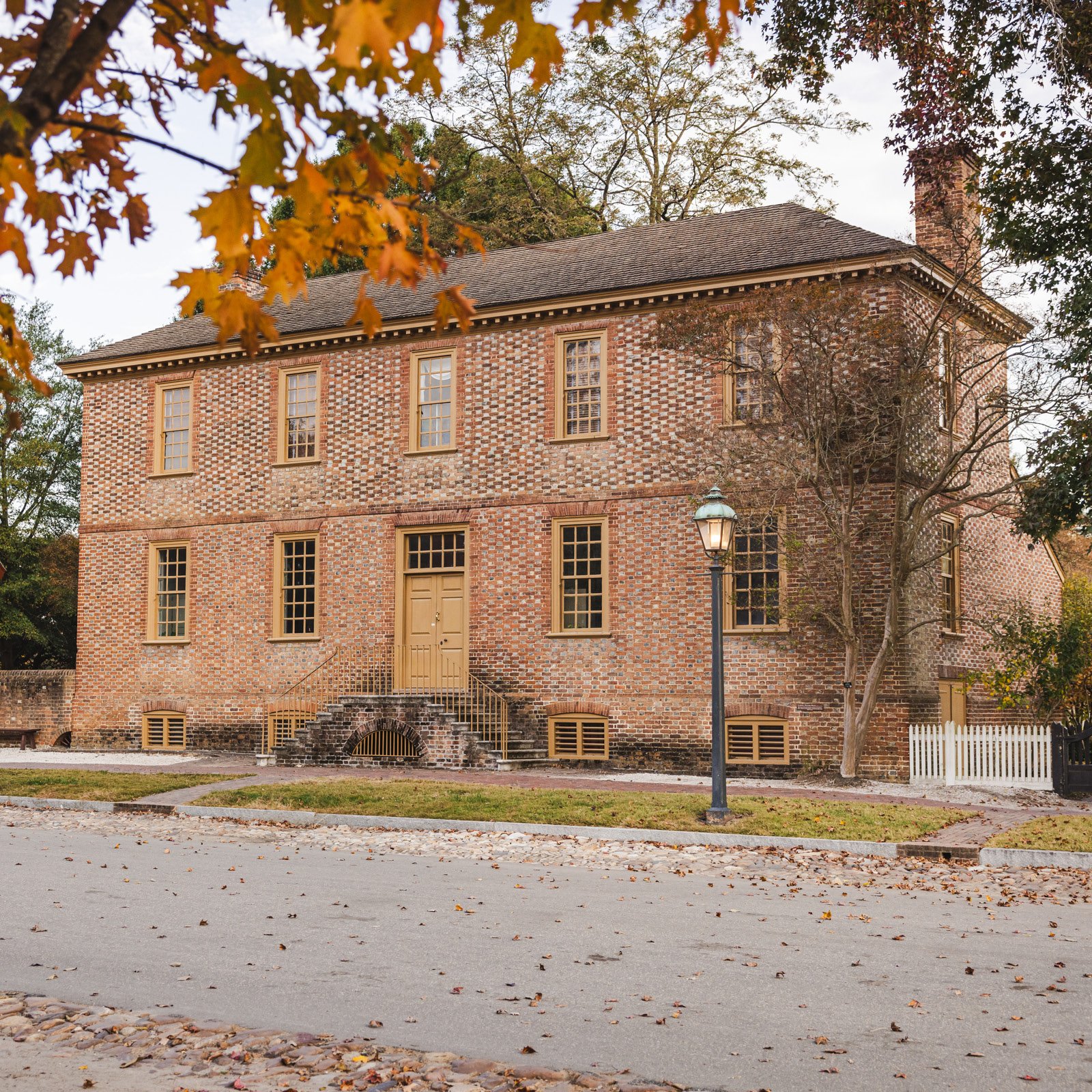
Lucy Ludwell Paradise
For Lucy Ludwell Paradise, a member of Virginia’s gentry, independence brought exile and loss. In 1779, while she and her husband John were living in England, local leaders named him a British subject, allowing them to seize their shared properties, including this one. After John died, Lucy returned to Williamsburg.[9]
How Independence Changed Williamsburg
American independence didn’t just change peoples’ lives. It also changed the buildings, the landscapes, and the towns they lived within. Scroll on to learn more about how Williamsburg began to transform after 1776.
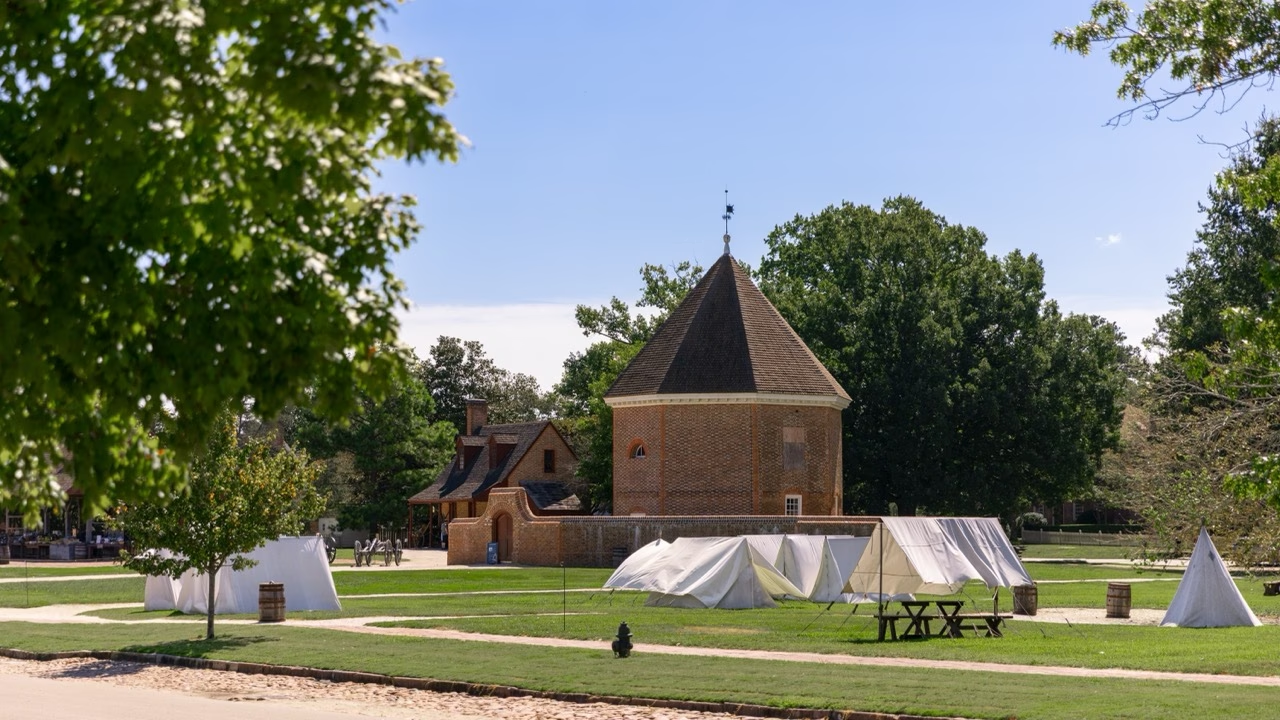
Encampments
Troops mustered in Williamsburg, turning the College, the Magazine, and other parts of town into temporary encampments.
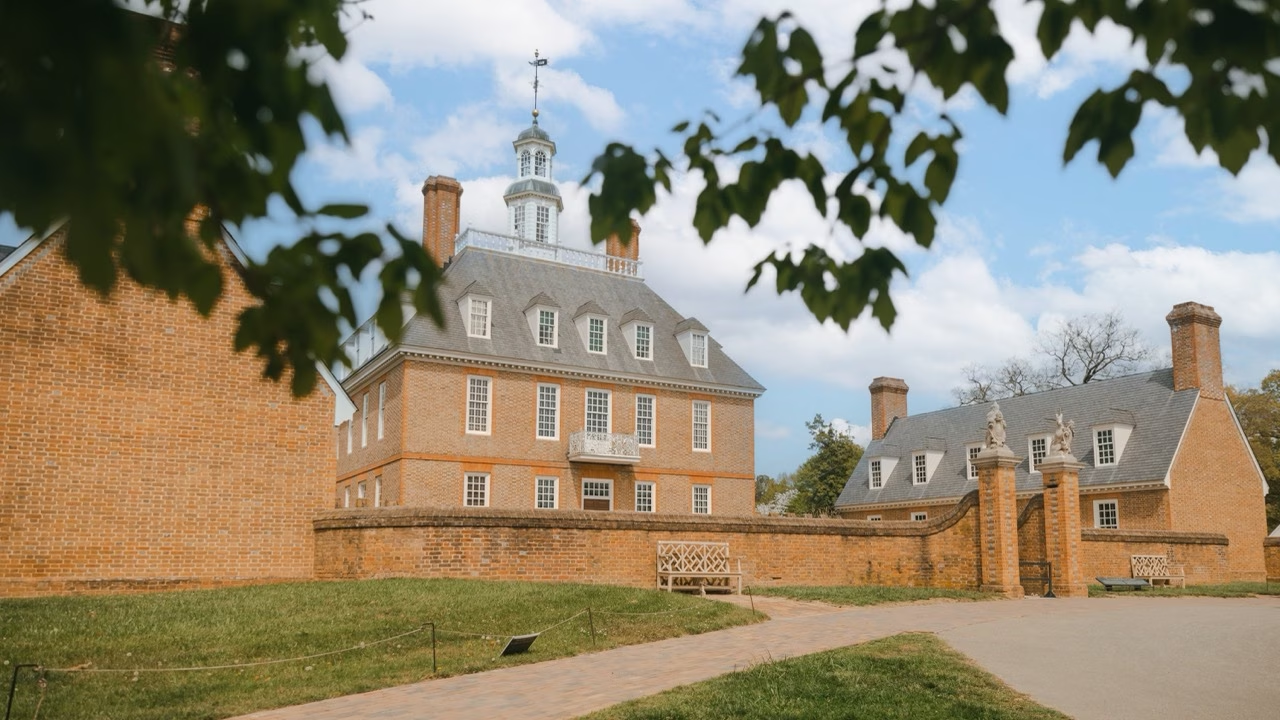
The Governor’s Palace
Once a symbol of royal authority, after 1776 the Palace housed Virginia’s first two elected governors. In 1781, it was a hospital for soldiers.[10]
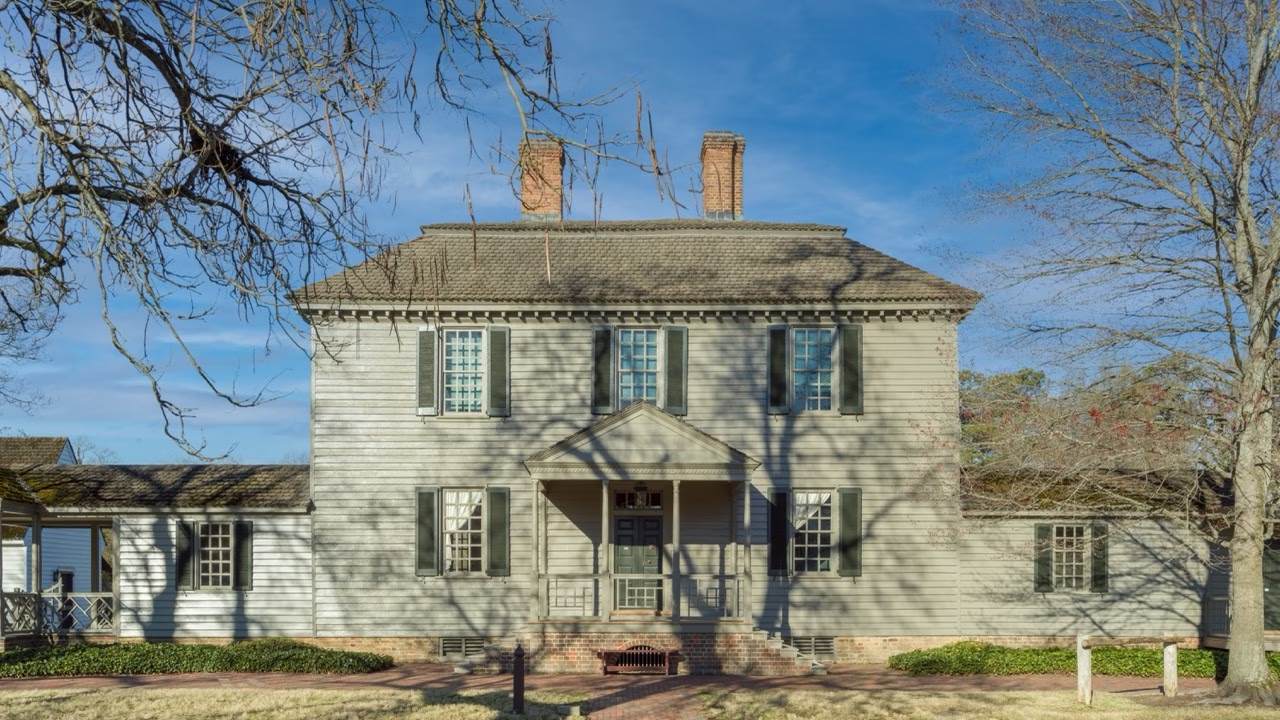
Robert Carter House
This large home boarded ailing soldiers during the war. Later excavations found evidence of three large baking ovens, likely used to feed the troops.[11]
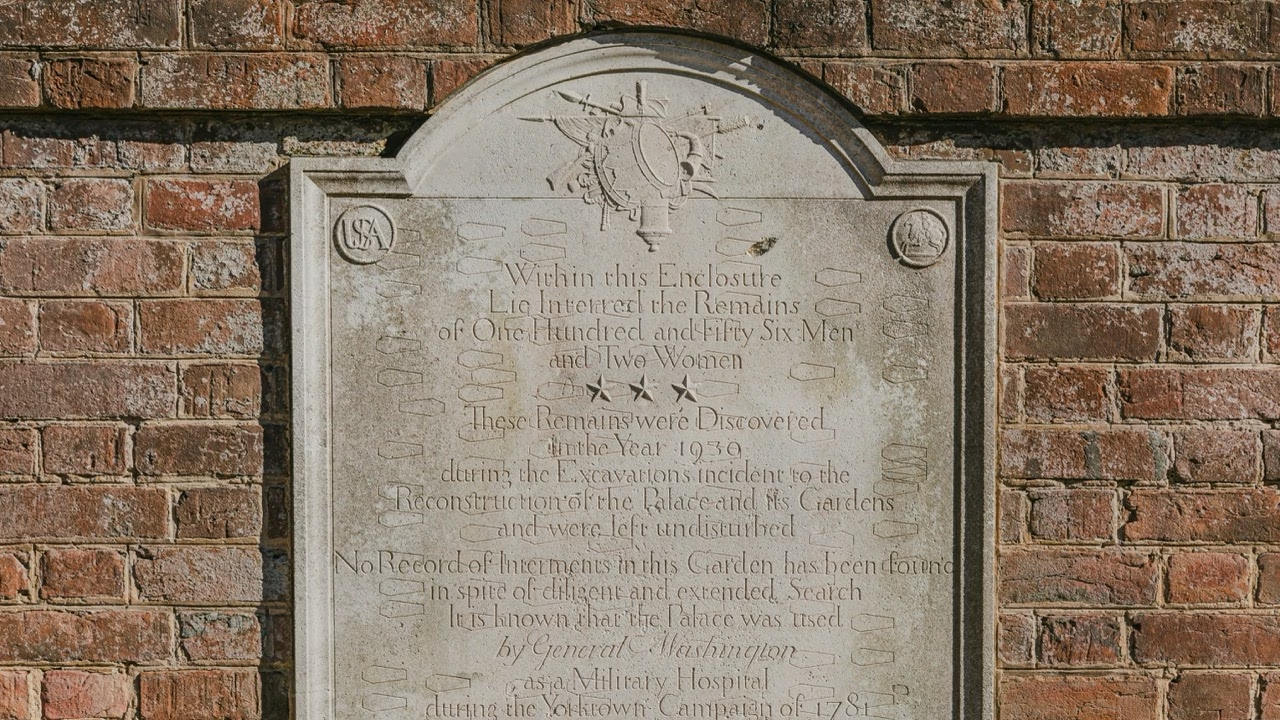
Palace Grounds
The army used the grounds of the Palace to graze cavalry horses, as land for a new barracks, and eventually as a cemetery for deceased soldiers.[12]
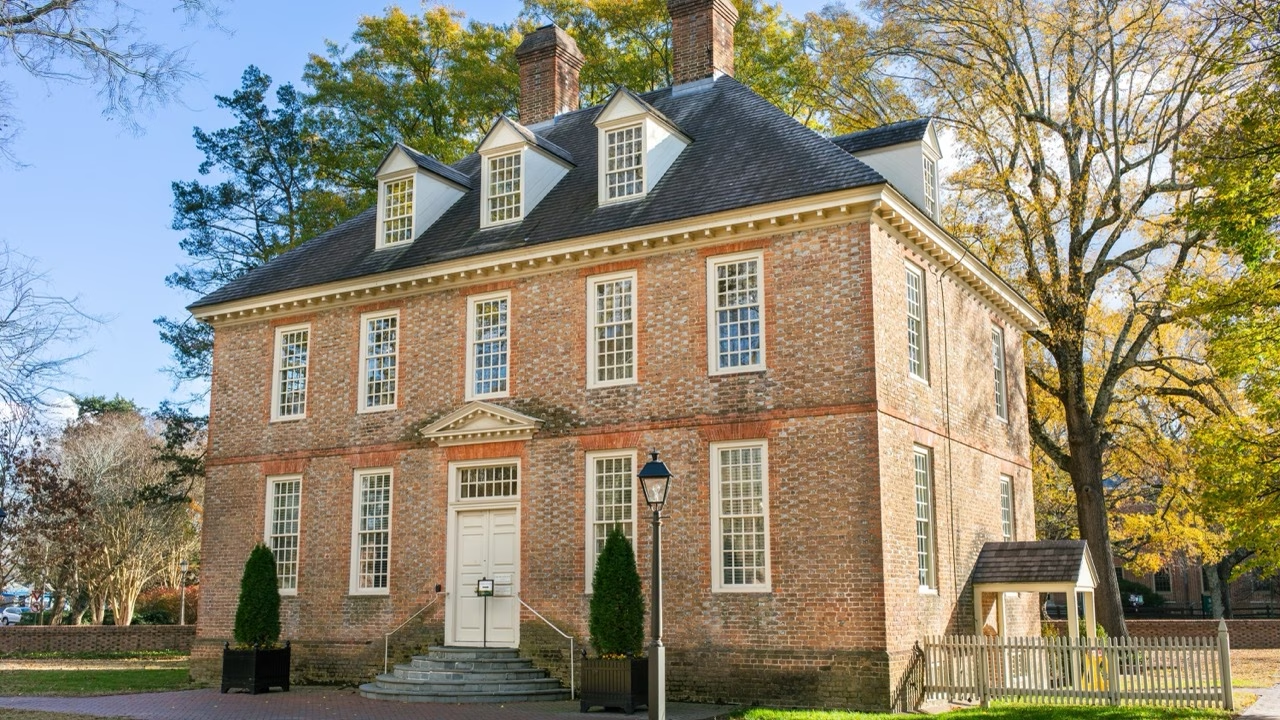
Closures
Independence cut off funding for the Brafferton Indian School (closed by 1778) and Bray School (closed in 1774). Neither re-opened after the war.
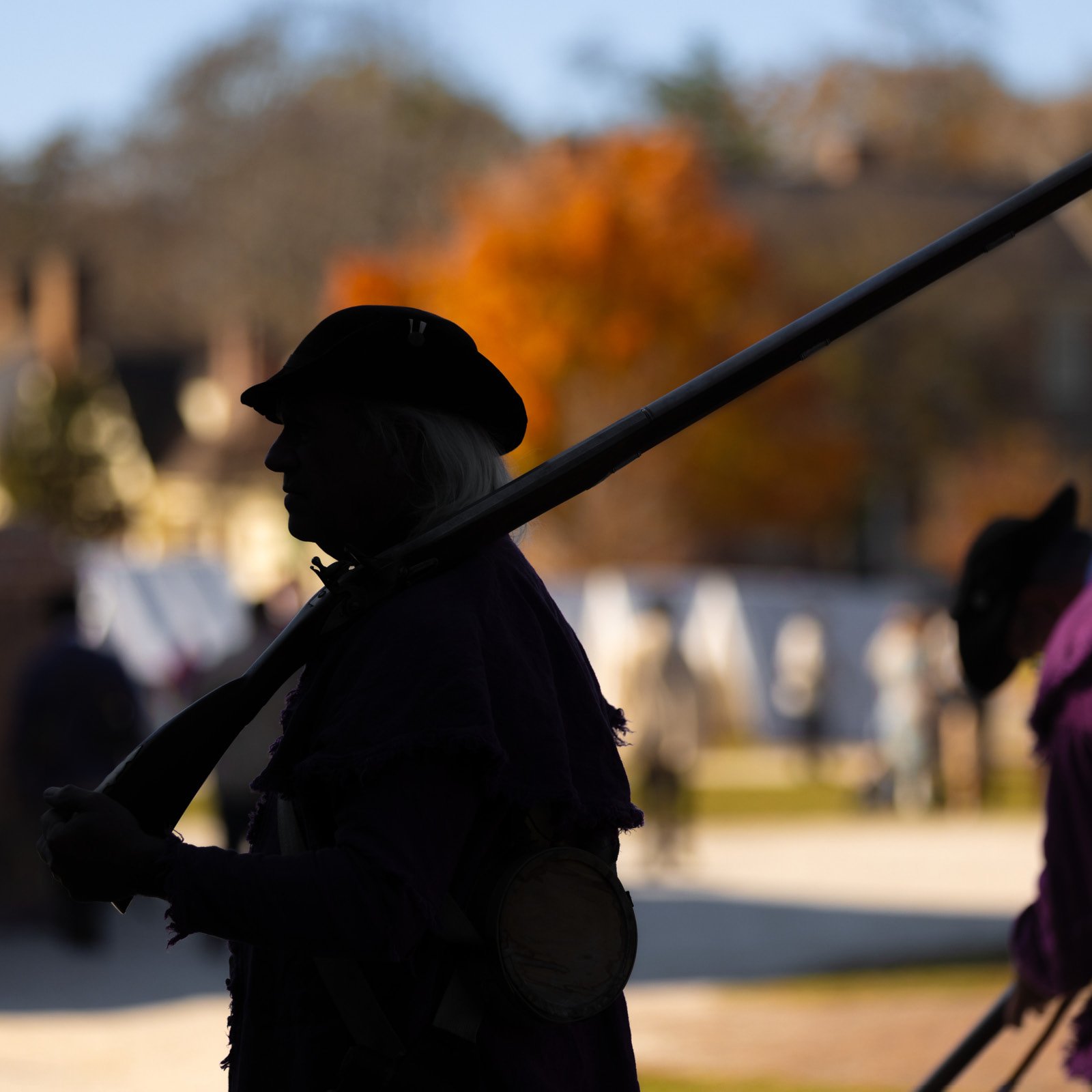
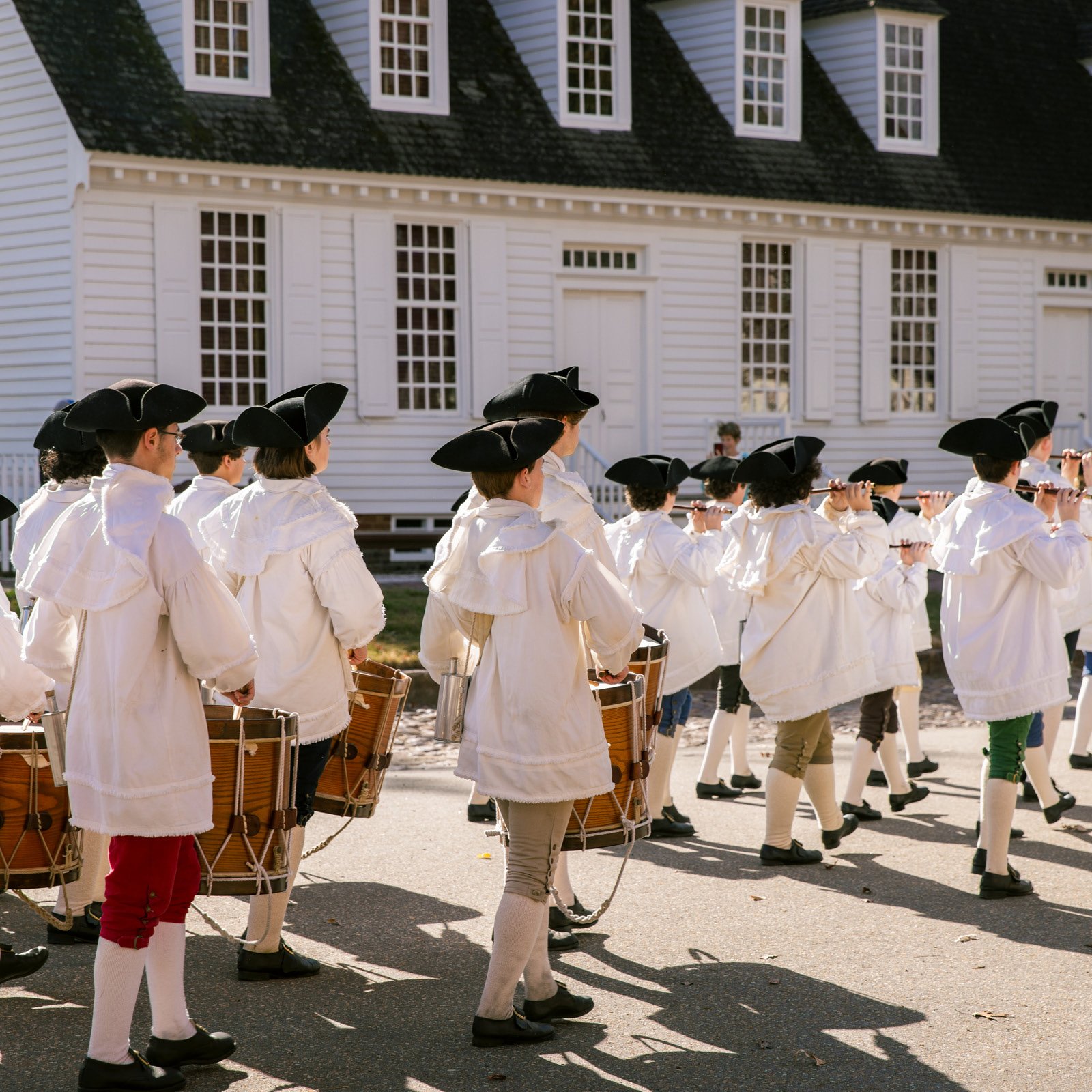
Soldiers, Sailors, & Servants
Tens of thousands of soldiers and sailors served in the Revolutionary War. Many others, including enslaved people, served in support roles for both armies. Scroll on to learn about how American independence changed the course of their lives.

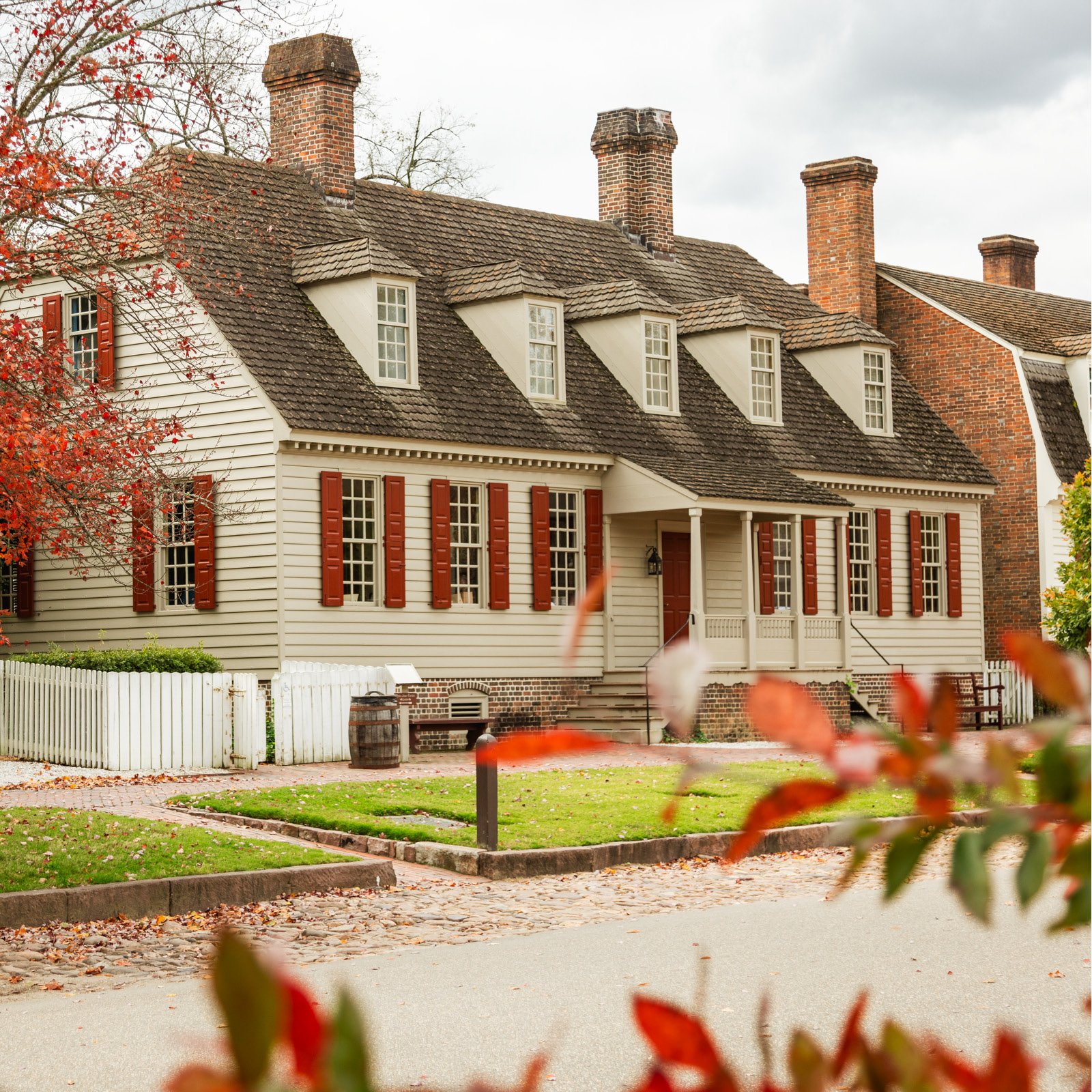
Henry Nicholson
Though only 15 when the war began, Williamsburg resident Henry Nicholson captained a company of young revolutionaries who helped drive Governor Dunmore from town. In 1779, he enlisted and fought until the war’s end. During the war, his family lived in the building seen here, once known as Wetherburn’s Tavern.[13]
Jane Vobe
The Revolutionary War created new customers. Local tavernkeeper Jane Vobe, for example, fed soldiers (including the famous Baron von Steuben) during the Yorktown campaign and provided them with transportation. Her son David Miller joined the Continental Army and was taken as a prisoner of war.
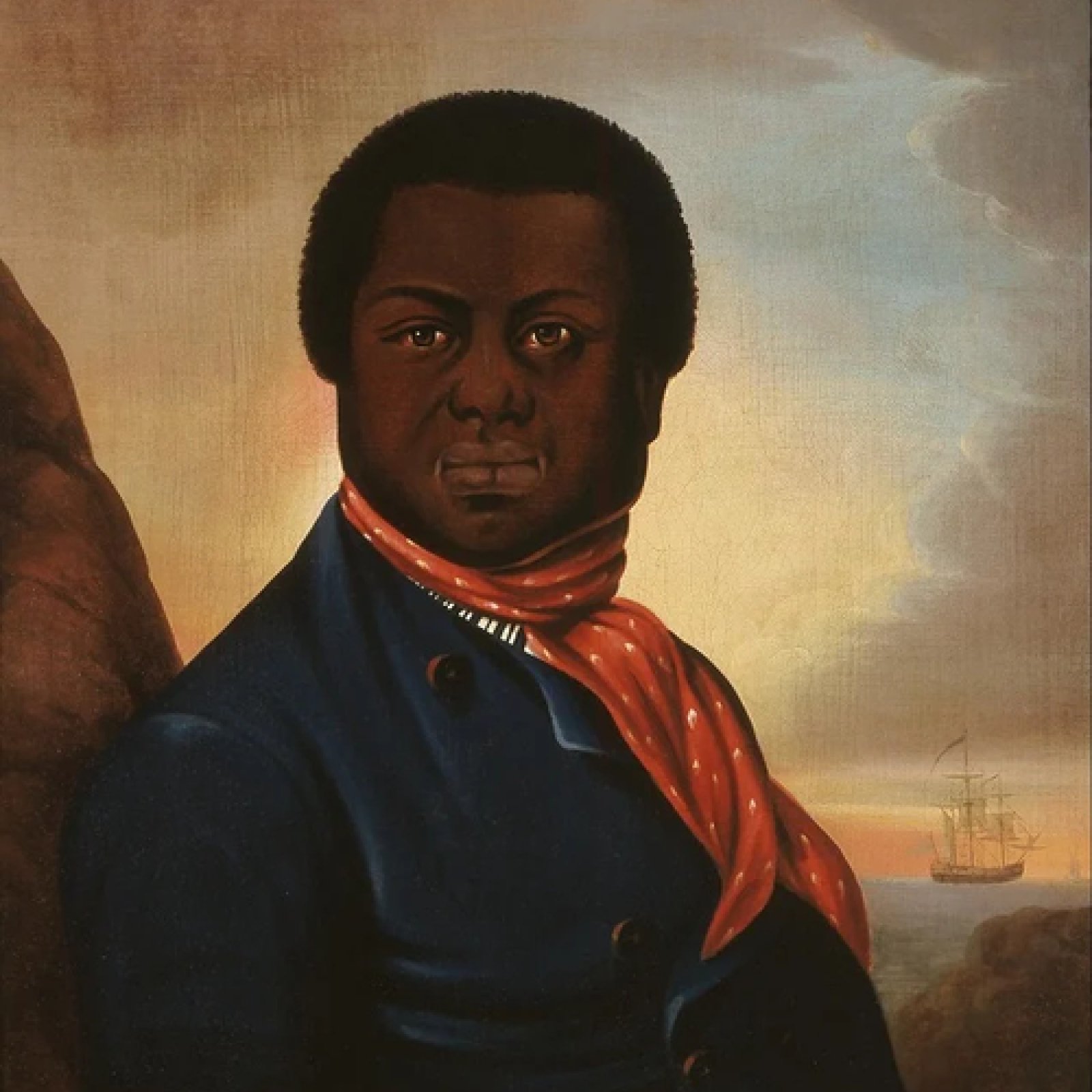
Cesar Tarrant
An enslaved ship pilot, Cesar Tarrant was a vital part of Virginia’s earliest naval force, navigating treacherous waterways and fighting the world-famous British Navy. His service was eventually recognized by an act of emancipation after the war. Image credit: Los Angeles County Museum of Art.
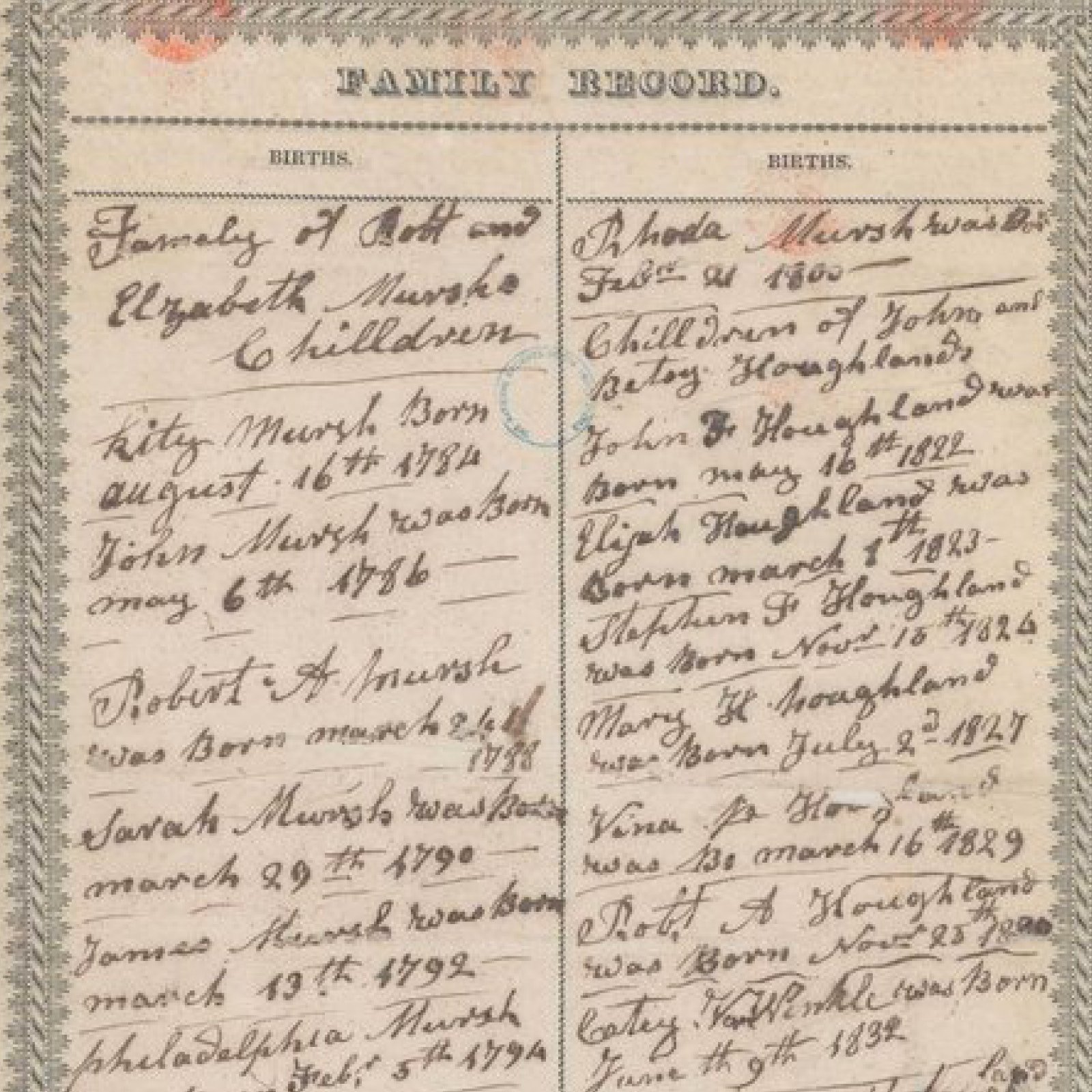
Robert Mursh
A member of the Pamunkey Tribe and a student at the Brafferton Indian School, Mursh joined the 15th Virginia Regiment in 1776. He fought at some of the war’s most famous battles and eventually became a Baptist missionary in South Carolina. Image: Mursh family Bible record, National Archives.
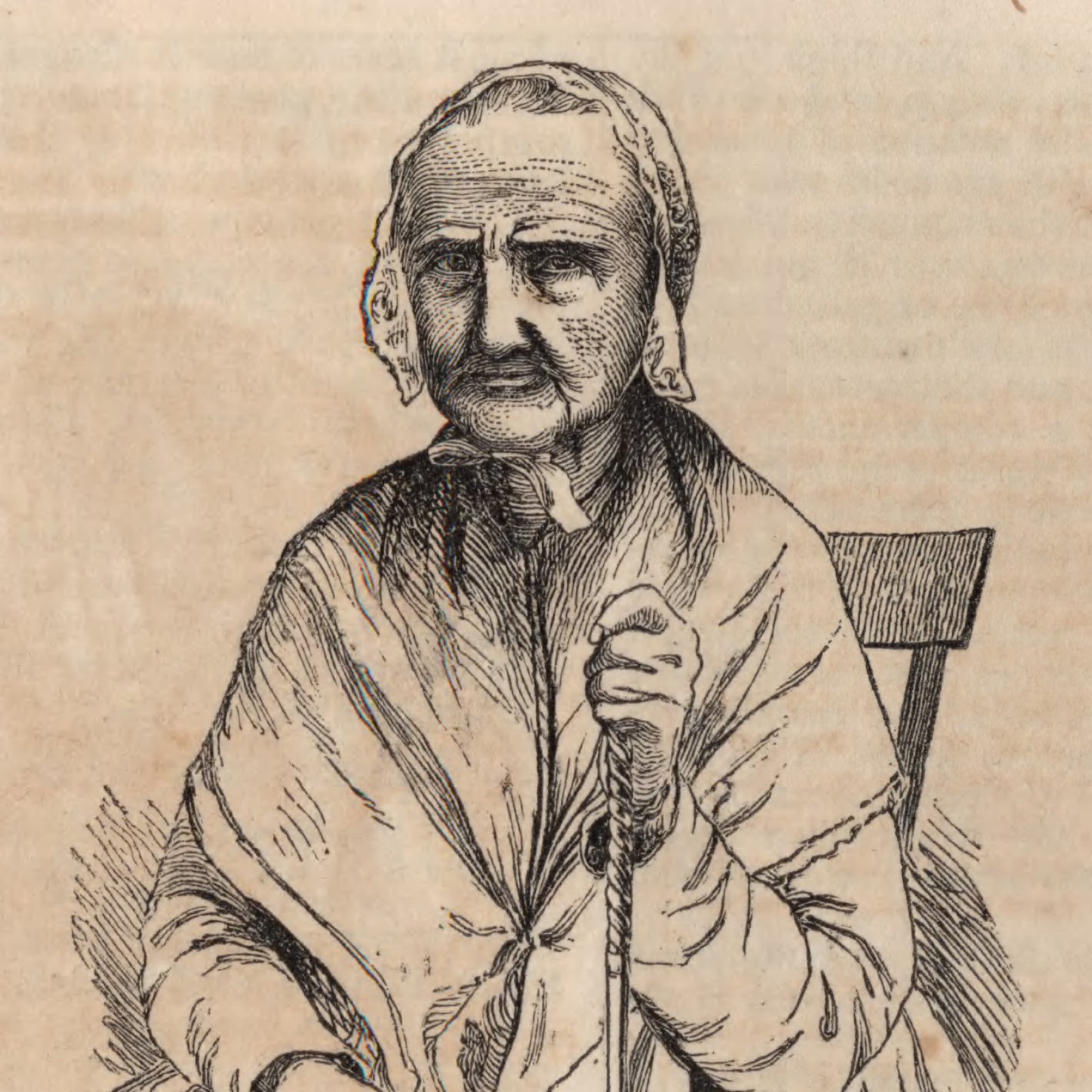
Sarah Osborn Benjamin
Camp followers like Sarah Osborn Benjamin made important, but often forgotten, contributions to the war. She accompanied her husband Aaron Osborn from New York to Virginia, under General Washington. She cooked and laundered clothes for her husband and other soldiers.[14] Image: Library Company of Philadelphia.
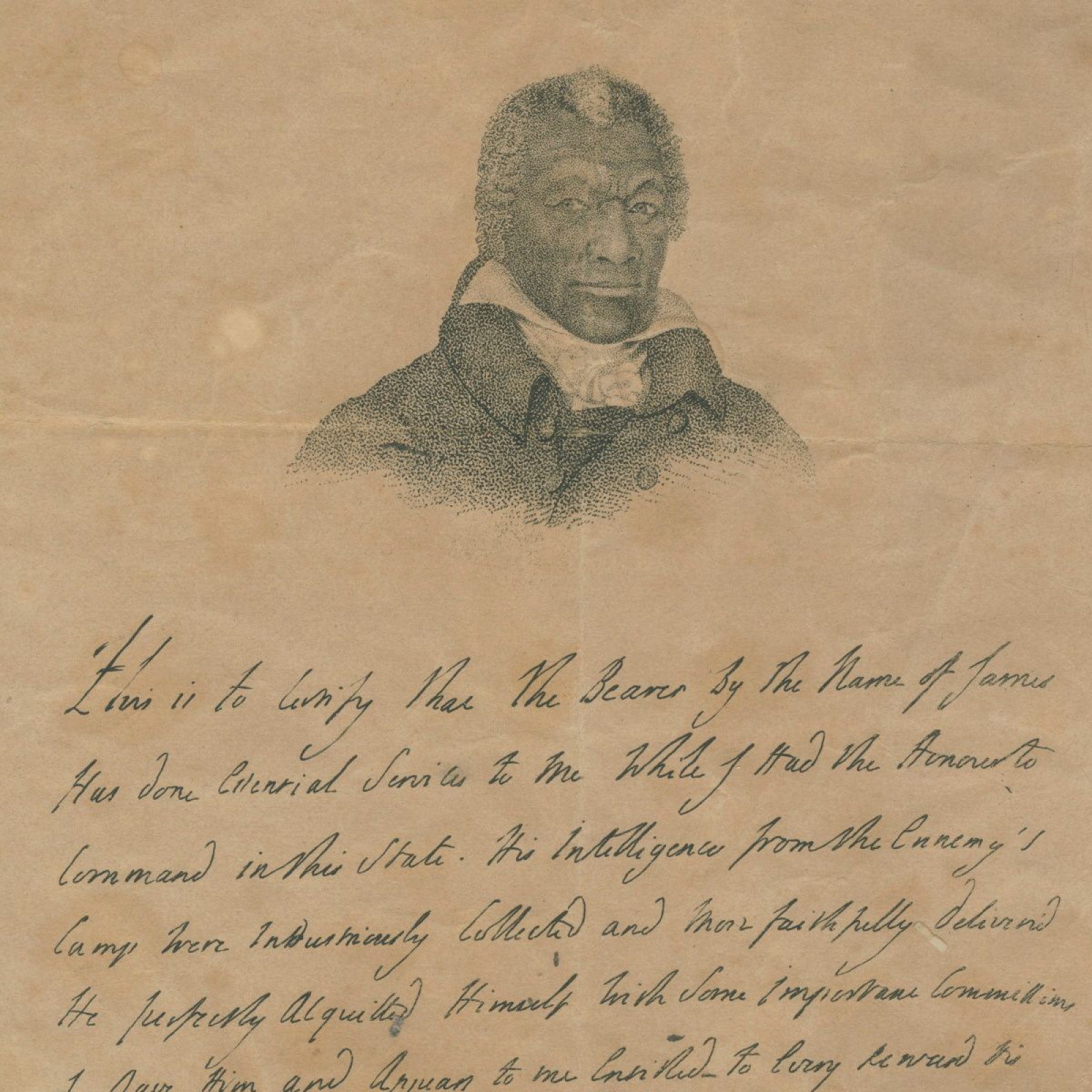
James Lafayette
James was born into slavery in New Kent County, Virginia. He briefly lived in Williamsburg during the war, and served the Marquis de Lafayette as a spy, gathering valuable intelligence that aided the American and French armies at Yorktown. Freed by the Virginia Assembly, he took the name Lafayette for himself.
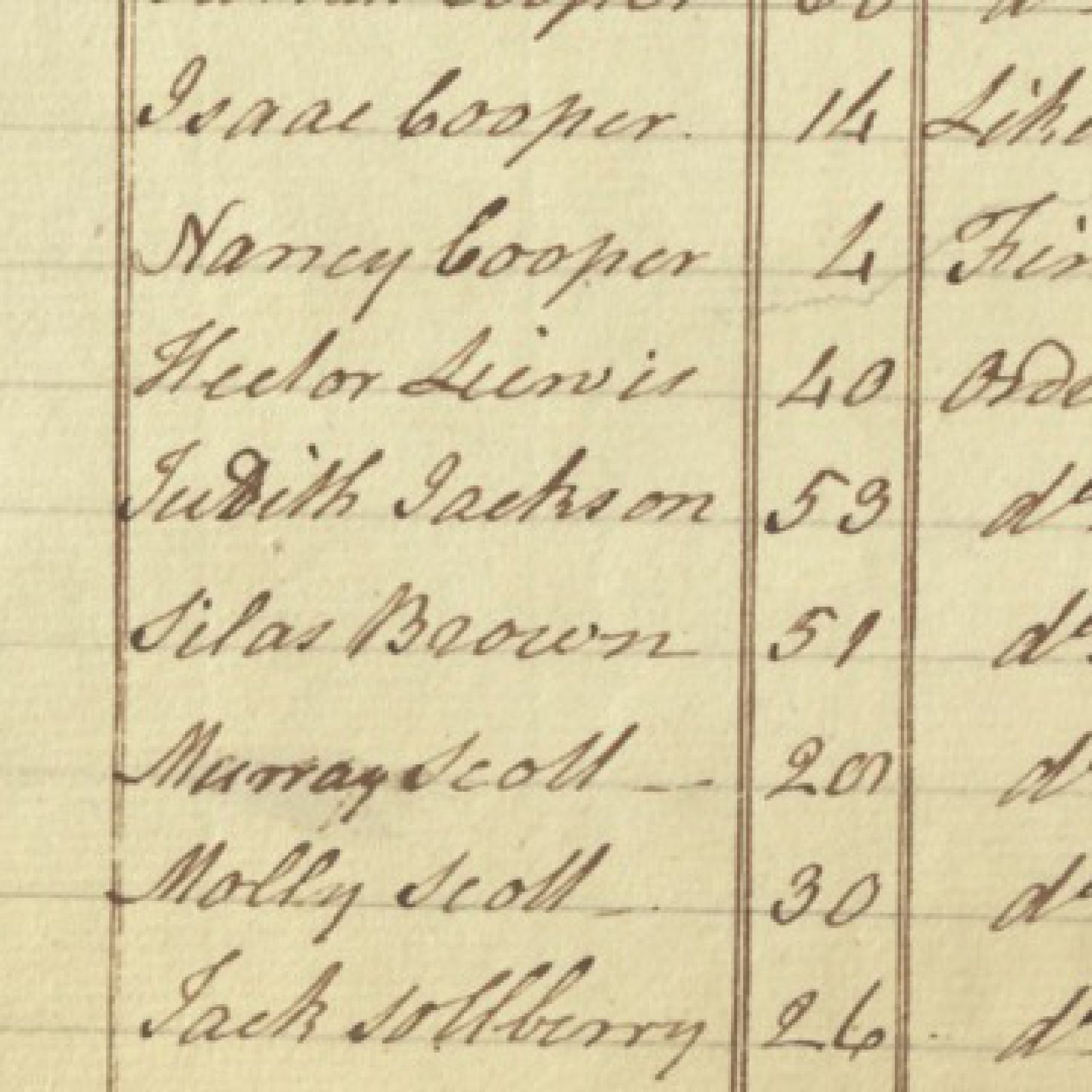
Judith Jackson
With her six-year-old child, Judith Jackson escaped slavery in 1779 and fled to British lines. She performed labor for the British army and eventually joined other Black Loyalists in Nova Scotia after the war ended.
Learn More
Further your exploration with these additional resources.
Sources
- “Enslaving Virginia,” Colonial Williamsburg research report (1998), 643–47.
- “Enslaving Virginia,” Colonial Williamsburg research report (1998), 411–13.
- Virginia Gazette (Dixon and Hunter), Feb. 7, 1777, p. 3, CW Digital Collections.
- Quoted in Mary Beth Norton, Liberty's Daughters: The Revolutionary Experience of American Women, 1750-1800(Ithaca: Cornell University Press, 1980), 164.
- "Williamsburg, Jan. 12,” Virginia Gazette (Purdie), Jan. 12, 1776, p. 3, link.
- “Enslaving Virginia,” Colonial Williamsburg research report (1998), 590–95.
- Mary A. Stephenson, “Chiswell-Bucktrout House Historical Report, Block 2 Building 17 Lot 253-254” (1965), Colonial Williamsburg Digital Library.
- “Mrs. Frances Morton Hubard,” in Mary A. Stephenson, “Block 2, Lots 251-252 Historical Report, Block 2 Lot 251-252” (1965), Colonial Williamsburg Digital Collections.
- Mary Stephenson, “Ludwell Tenement Historical Report, Block 28 Building 5B Lot 233,” Colonial Williamsburg Digital Collections.
- Patricia Gibbs, “The Palace Lands, 1700–1790” (1980), Colonial Williamsburg Digital Collections, p. 36.
- Mary A. Stephenson, “Robert Carter House Historical Report: Block 30-2 Building 13 Lot 333, 334, 335, 336,” (1956), Colonial Williamsburg Digital Collections.
- In July 1775, former Governor Dunmore wrote, “they have taken possession of the Park a considerable piece of land adjoining and belonging to the Governors house/ for their Cavalry…” Mary Goodwin, “The Capitol: Second Building, 1747–1832,” (1934), Colonial Williamsburg Digital Collections; Patrick Henry recommended on August 6, 1776, that a barracks “be built on that Part of the Park, which the governor lately gave up for the use of the Troops.” “The Governor’s Palace: historical Notes” (1930), Colonial Williamsburg Digital Collections.
- Mary A. Stephenson, “Mr. Wetherburn's Tavern: Block 9, Colonial Lots 20 and 21” (1965), Colonial Williamsburg Digital Collections.
- “Sarah Benjamin’s Eyewitness Account of the Surrender at Yorktown,” National Archives.