Articles
The drums were beating. The streets were pulsing. Early on the morning of April 21, 1775, Williamsburg’s residents spilled out from their homes looking for the cause of this commotion.
Moments in History
One day, you’re living in a monarchy. The next, you’re in a republic. Virginia colonists had long prided themselves on their loyalty to the British monarchy. But in 1775, royal authority rapidly collapsed. Colonists threatened the governor. He fled. By the next year, Virginia was at the forefront of the continental movement toward independence. How did Virginia move so quickly from royalism to independence? Go deeper to learn more about how the people of Williamsburg led the way toward independence.
...a quick arrival from London brought us the Tyrannic Boston Port Bill, no shock of Electricity could more suddenly and universally move—Astonishment, indignation, and concern seized on all.
— Richard Henry Lee
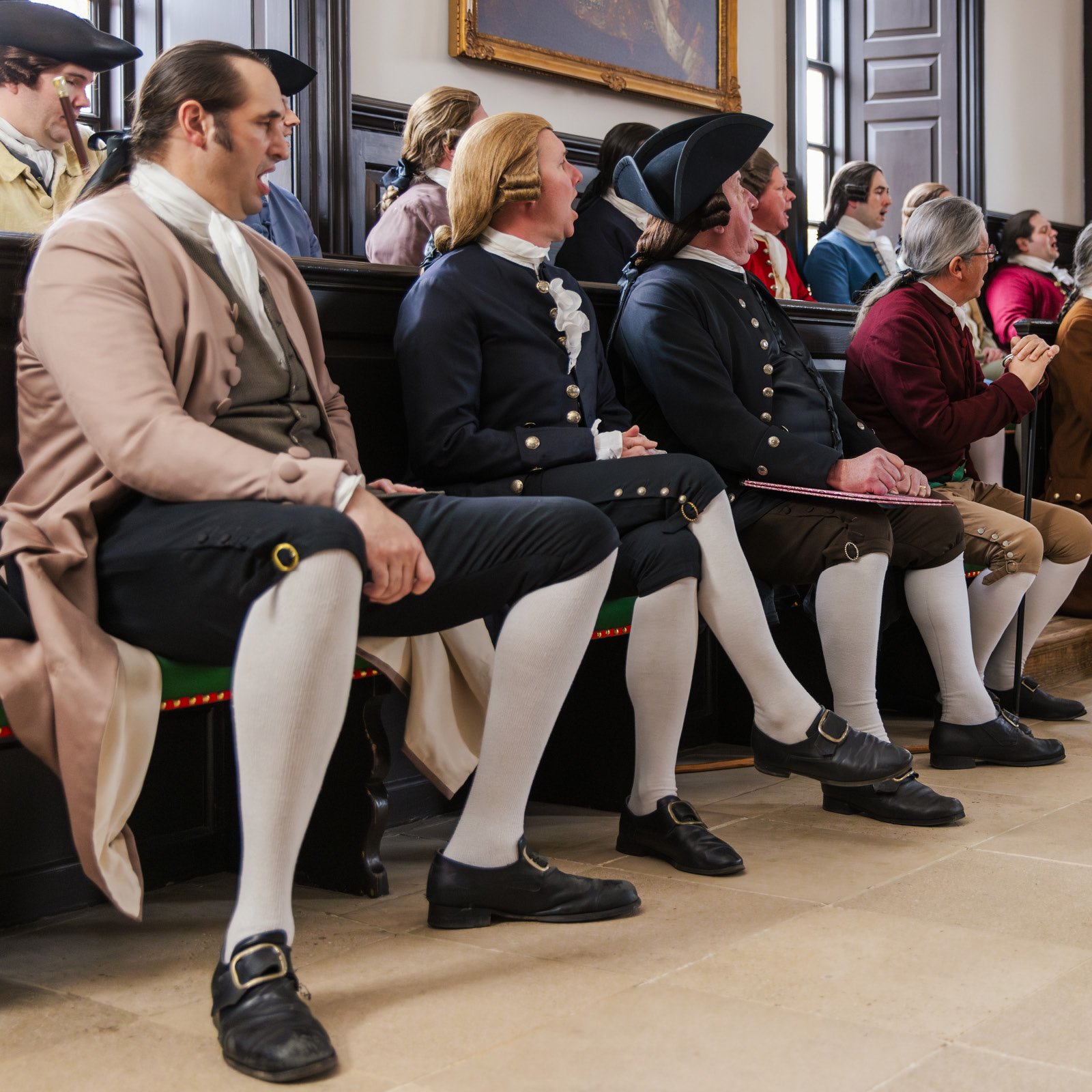
While many Virginians initially felt the Boston Tea Party went too far, learning about Parliament’s reaction was like a “shock of Electricity.” Keep going to learn how the events that unfolded in 1773 and 1774 set the stage for independence.
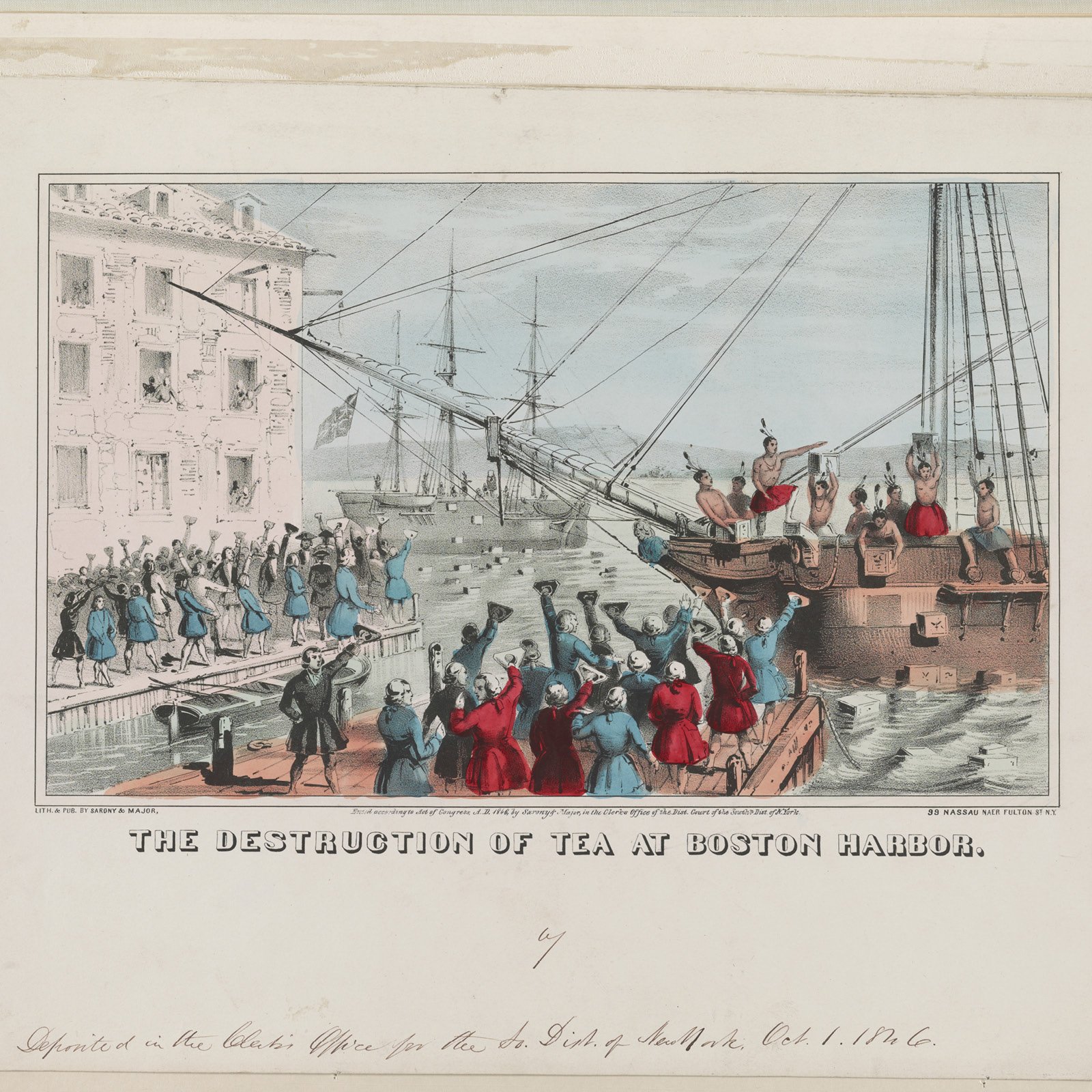
After Bostonians dumped 340 chests of tea into Boston Harbor in 1773, colonists were shocked at Parliament’s retaliatory Coercive Acts, which included closing the port of Boston until the cost of the tea was repaid. Image: Library of Congress.
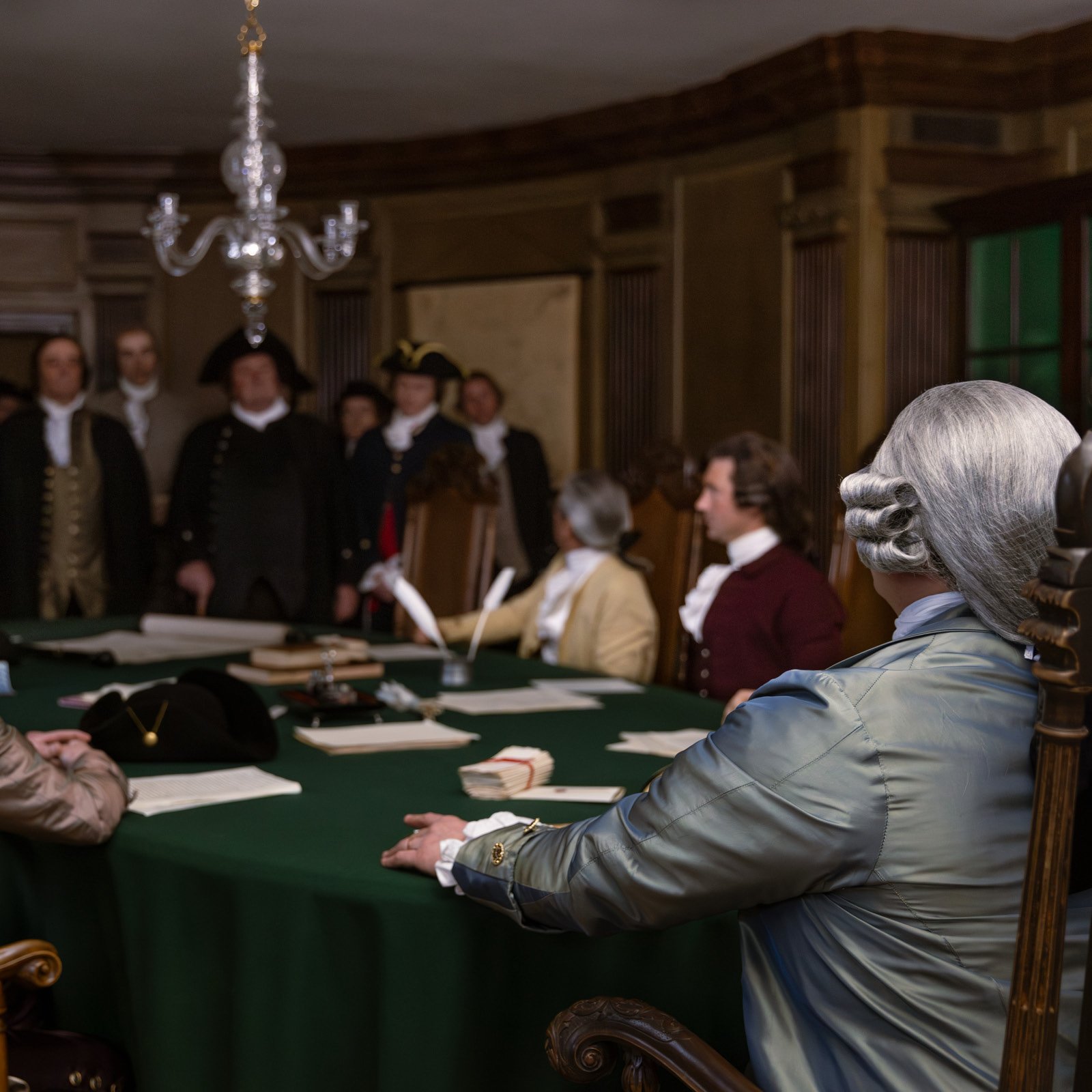
Virginia’s legislature, the House of Burgesses, protested the Coercive Acts by making the date Boston’s port was set to close, June 1, a day of fasting, humiliation, and prayer. In response, royal Governor Lord Dunmore dissolved the assembly, barring them from continuing their session.
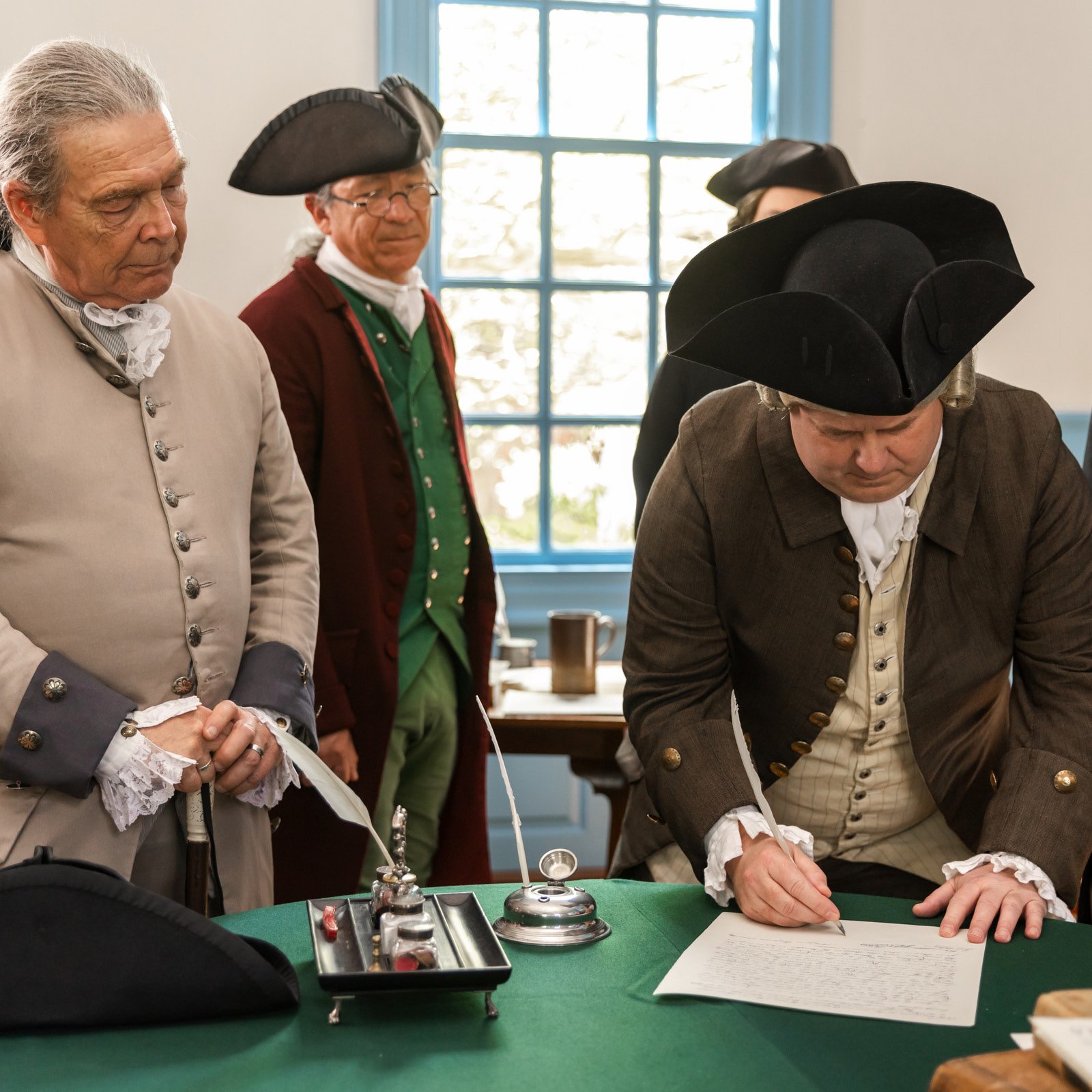
After being dissolved, former burgesses met at the nearby Raleigh Tavern. They formed an agreement to stop importing British goods and arranged the First Virginia Convention, an extralegal body of elected representatives, to manage Virginia’s response to British policies.
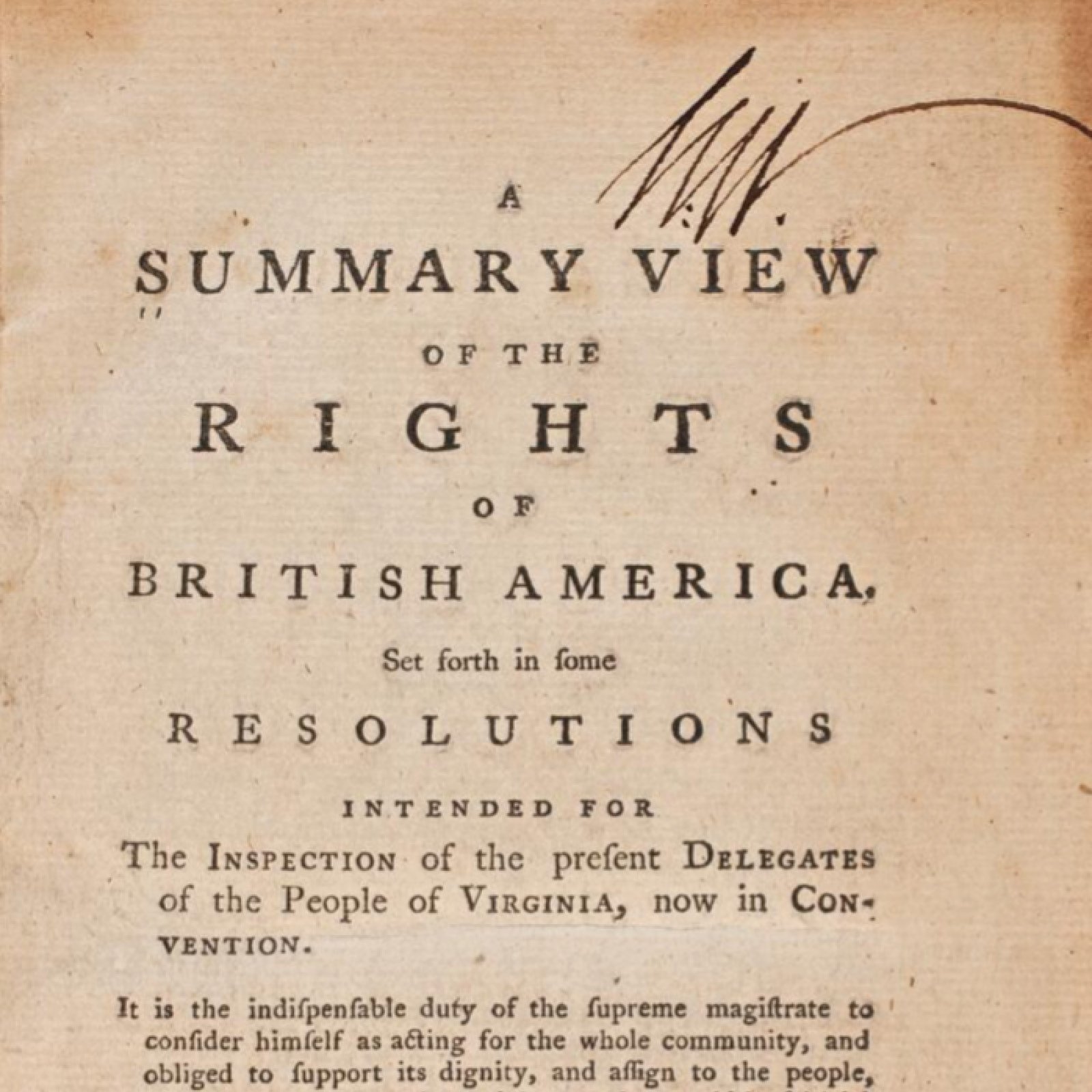
While traveling to the Convention, Thomas Jefferson drafted instructions for Virginia’s delegates to the First Continental Congress in Philadelphia. Although he fell ill and was forced to turn around, his radical draft was published as a pamphlet titled A Summary View of the Rights of British America.
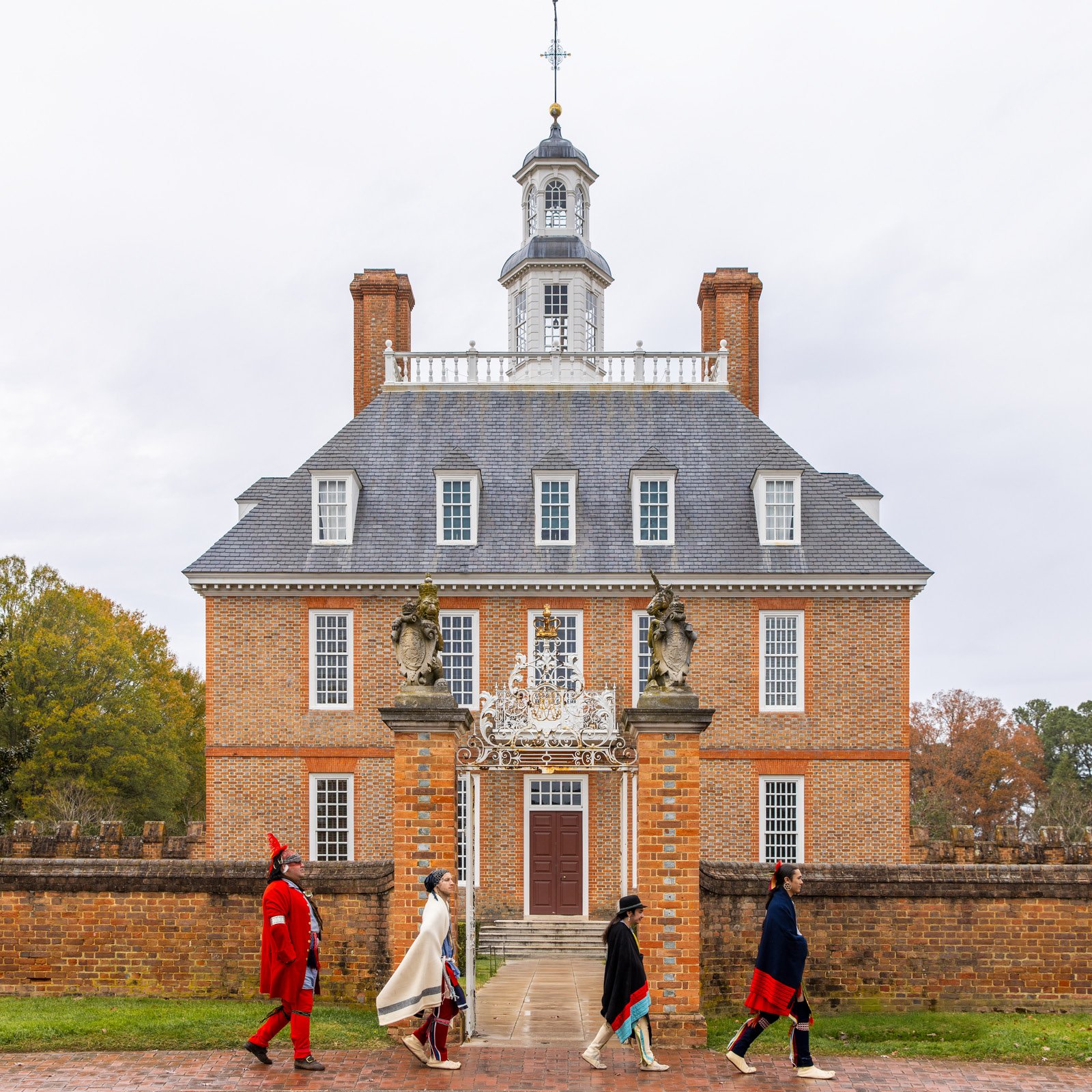
The 1770s weren’t simply a steady march toward American independence. Governor Dunmore rose in popularity at the end of1774 after successfully subduing a coalition of Indigenous nations, who were fighting for independence of their own.
I know not what course others may take; but as for me, give me liberty or give me death!
— Patrick Henry
In the spring of 1775, revolutionary sentiment and tensions over slavery exploded when Governor Dunmore removed the gunpowder from Williamsburg’s Magazine. This marked the beginning of the collapse of royal government in Britain’s largest and most important American colony.
1775
The drums were beating. The streets were pulsing. Early on the morning of April 21, 1775, Williamsburg’s residents spilled out from their homes looking for the cause of this commotion.
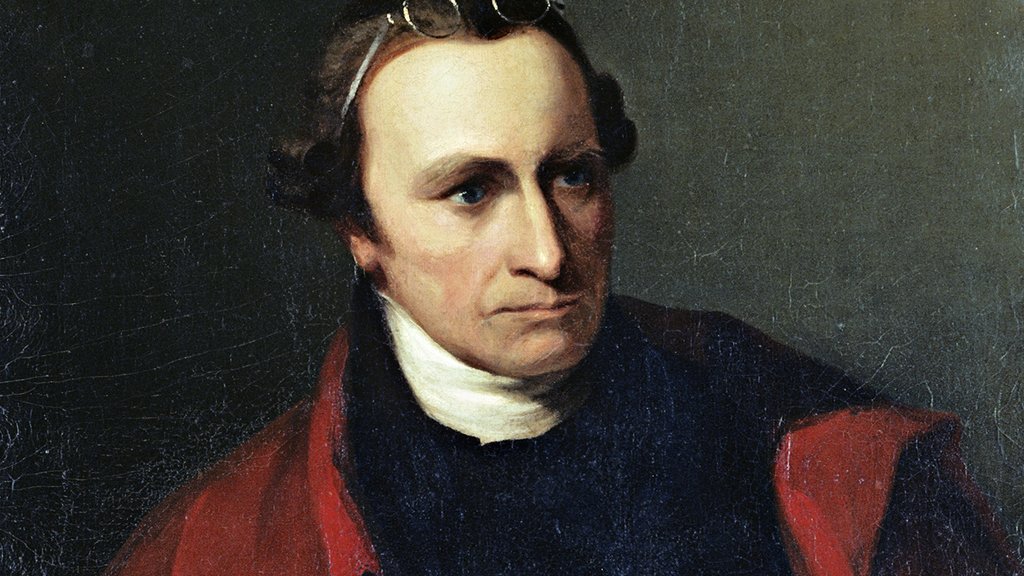
To avoid interference from Governor Dunmore, the Second Virginia Convention met March 20, 1775 inland at Richmond — in what is now called St. John's Church — instead of the Capitol in Williamsburg. Delegate Patrick Henry presented resolutions to raise and establish a militia, and to put Virginia in a posture of defense.
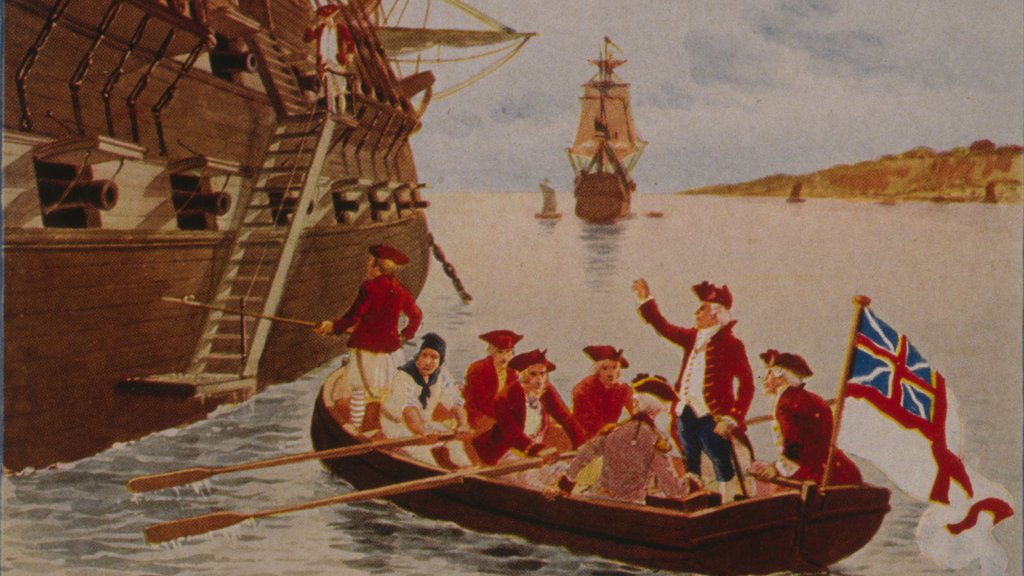
As John Murray, Earl of Dunmore stepped out into the humid darkness in the first hours of June 8, 1775, he left behind his family’s bright, comfortable home. He did not know, but might have guessed, that he would never return to the Governor’s Palace in Williamsburg. His departure marked the end of royal authority in Virginia.
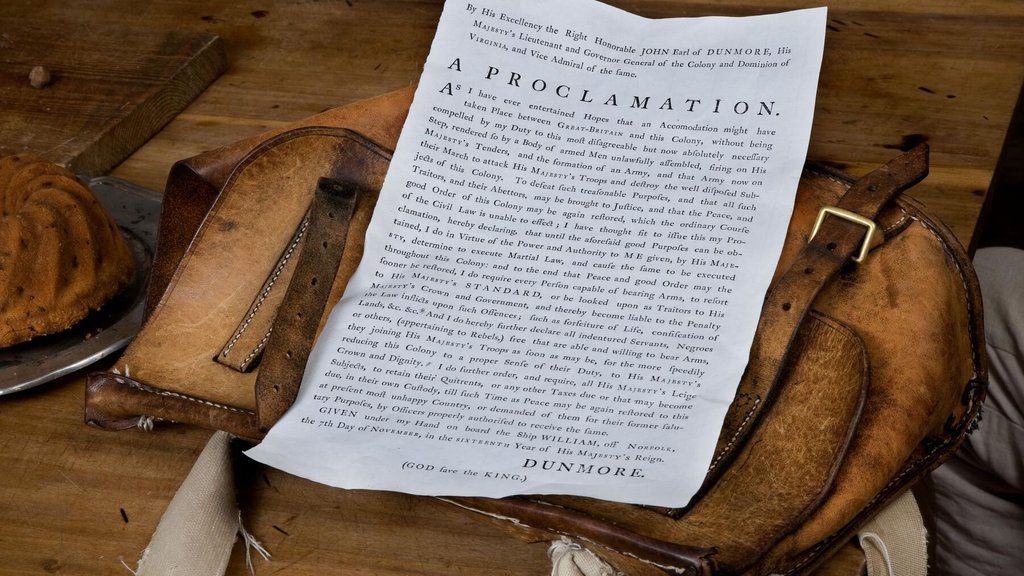
Fear and hope melded in uneasy tension throughout Virginia. Word of a proclamation that could change the fate of many made its way throughout the colony in late November of 1775.
Whispered voices carried word that Governor John Murray, Fourth Earl of Dunmore was offering freedom to enslaved people who came to his banner.
Resolved, That these United Colonies are, and of right ought to be, free and independent States...
— The Lee Resolution
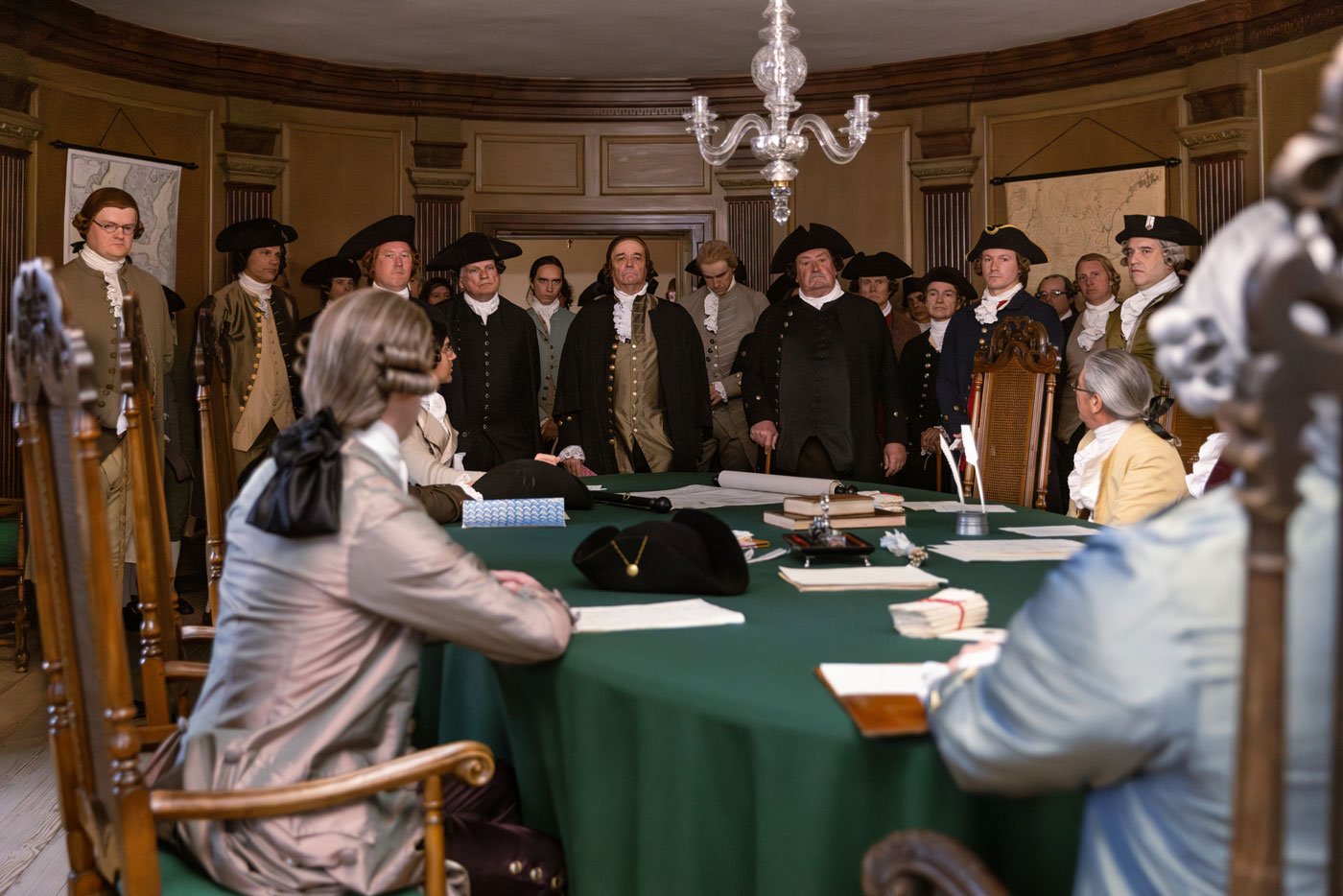
On June 7, 1776, at the instruction of the May 15 Fifth Virginia Convention, Richard Henry Lee proposed the Second Continental Congress declare independence. A committee was then appointed to draft a Declaration of Independence, which was adopted on July 4.
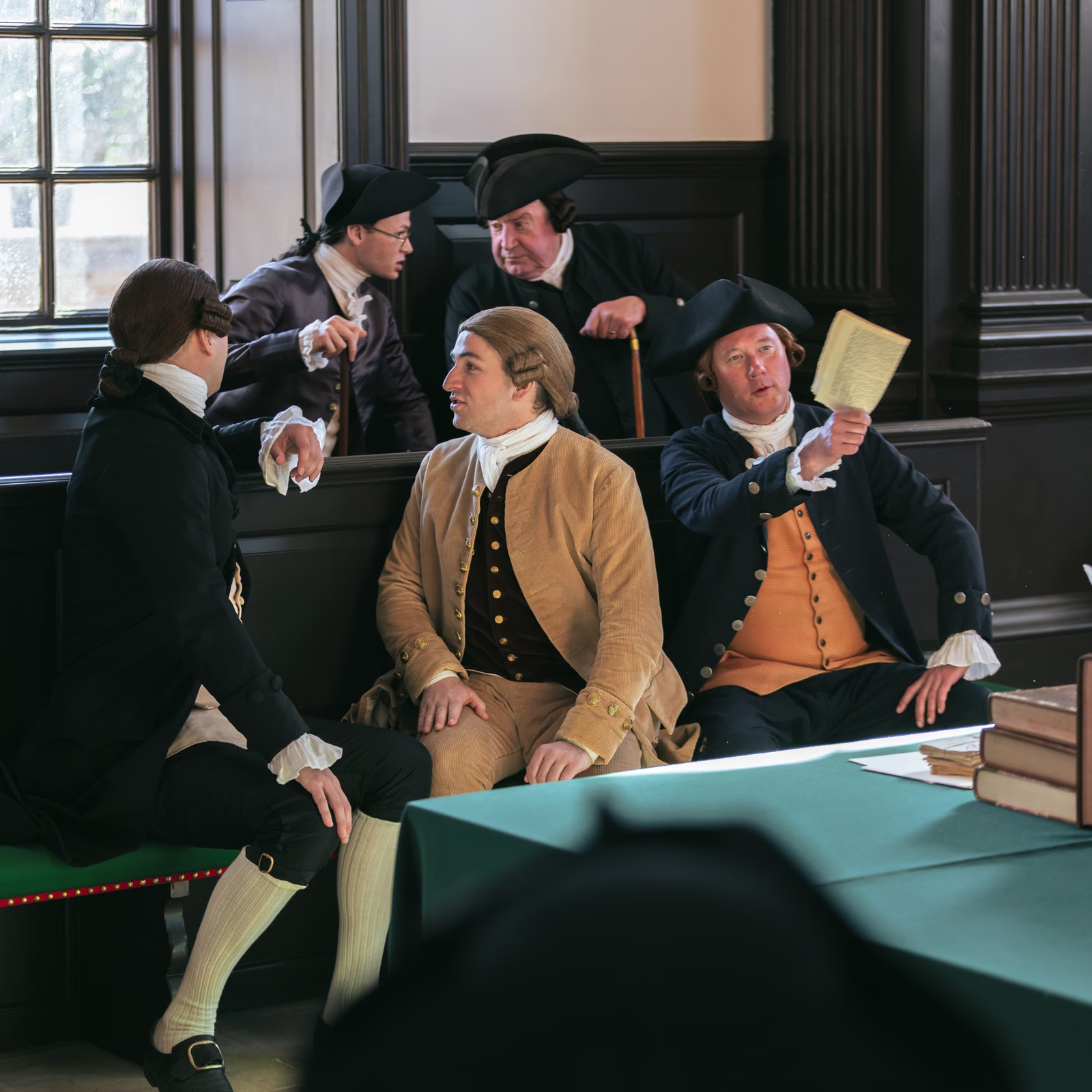
The Fifth Virginia Convention debated independence for two days before voting on it.
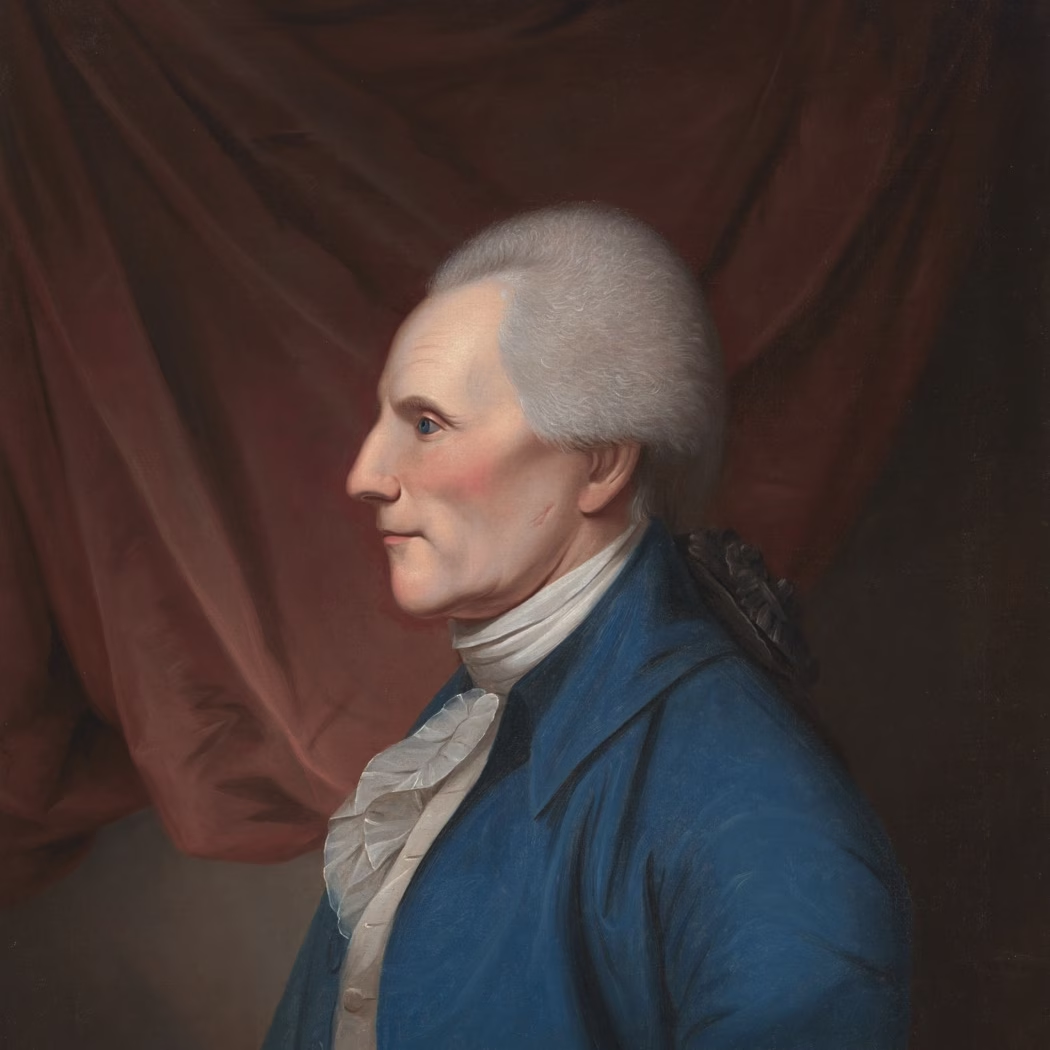
As a delegate to the Second Continental Congress, Virginian Richard Henry Lee played a key part in declaring independence. Image: National Portrait Gallery.
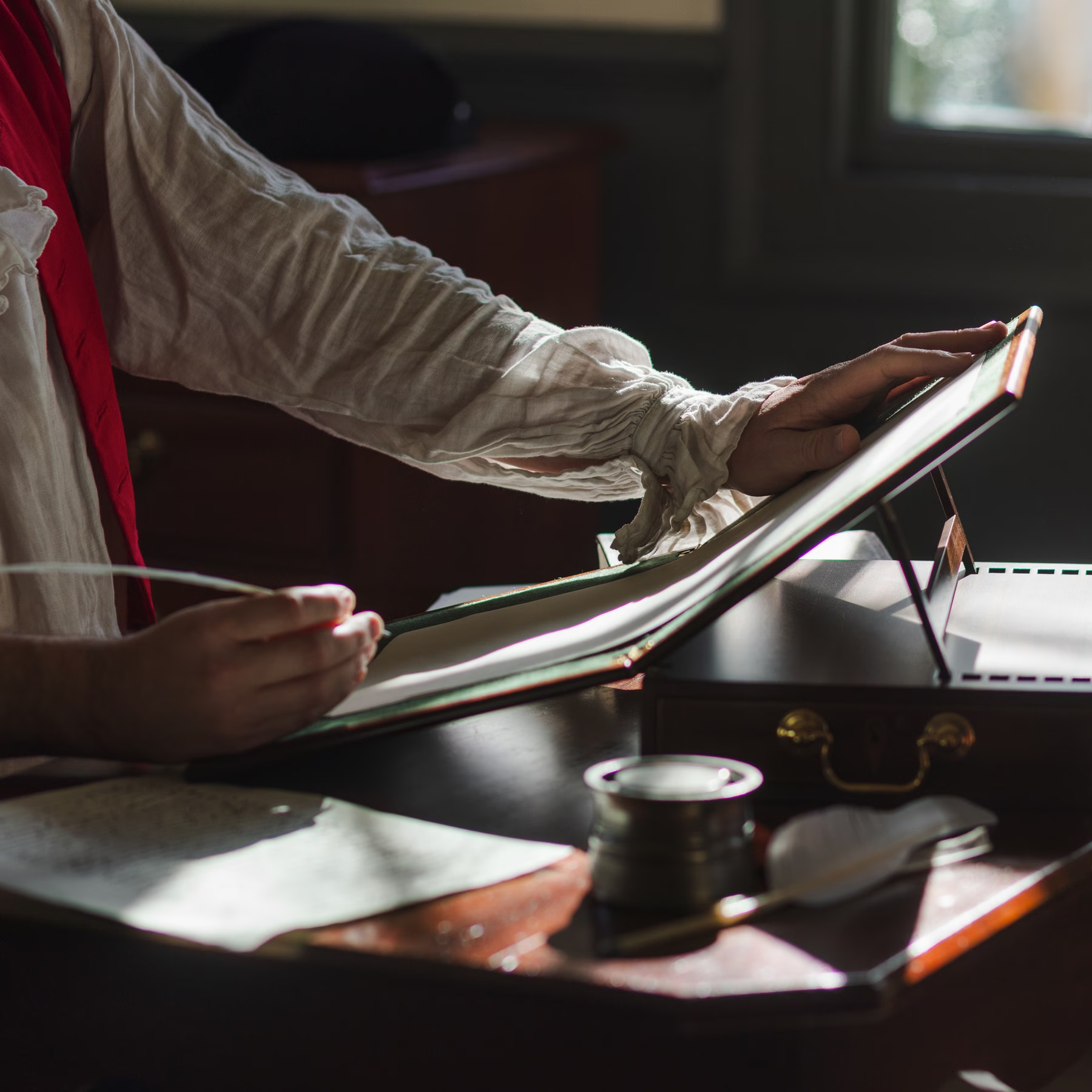
Virginian Thomas Jefferson became the primary author of the Declaration of Independence.
Virginia was the largest, wealthiest, and most populous British colony on the North American mainland. The colony loomed large in the revolutionary movement, and Virginians played a key role in declaring independence. Expand the topics below to learn about the documents that brought about an independent American nation.
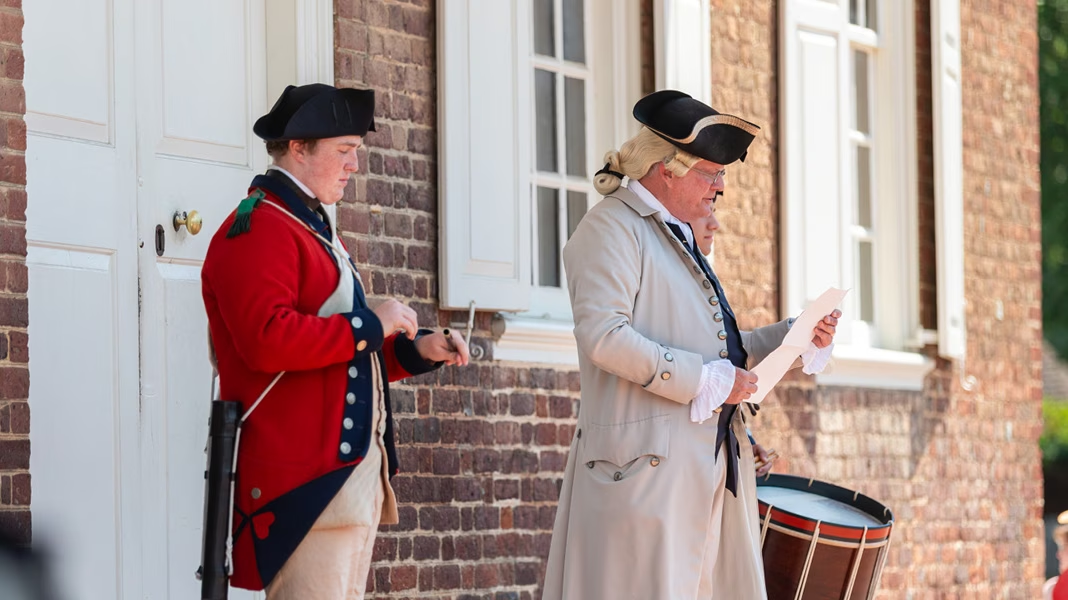
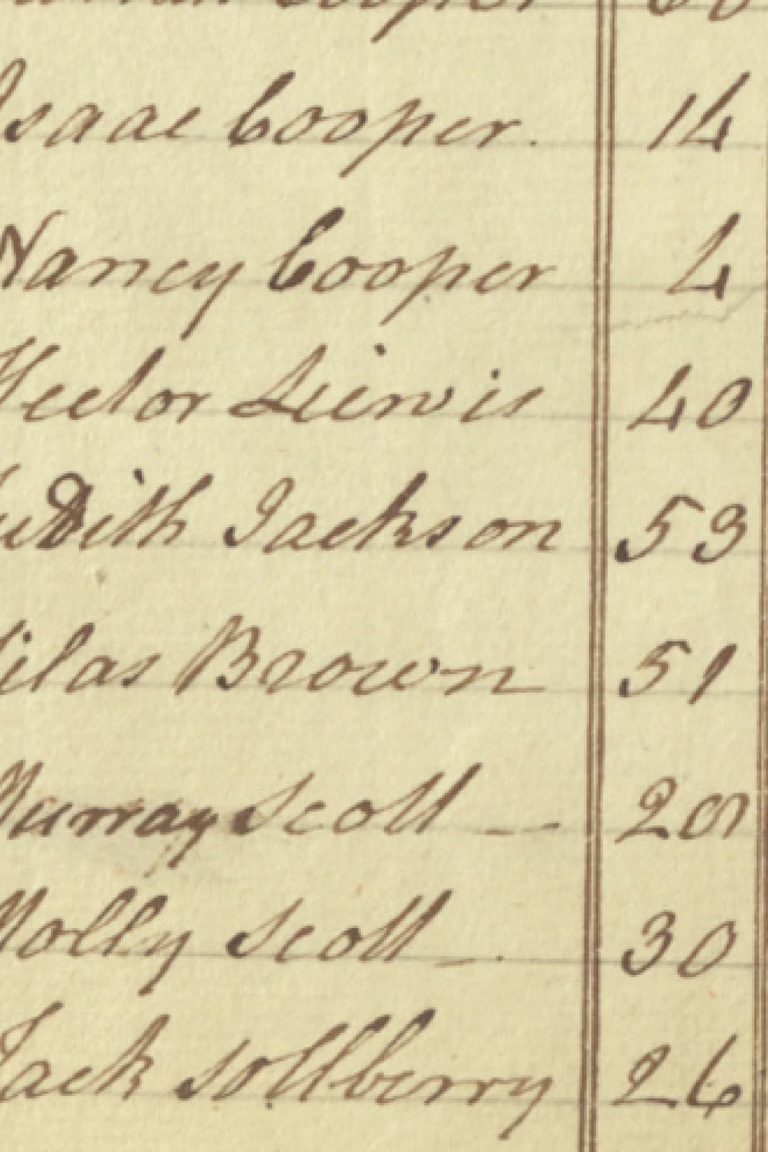
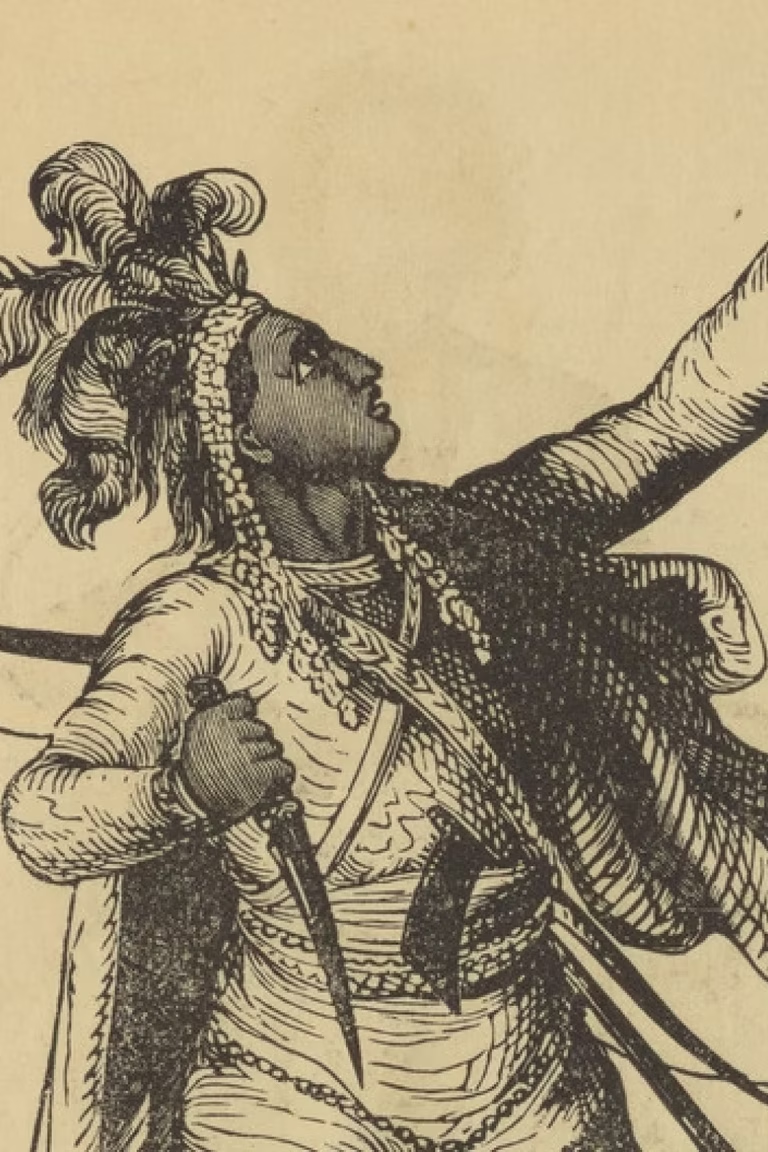
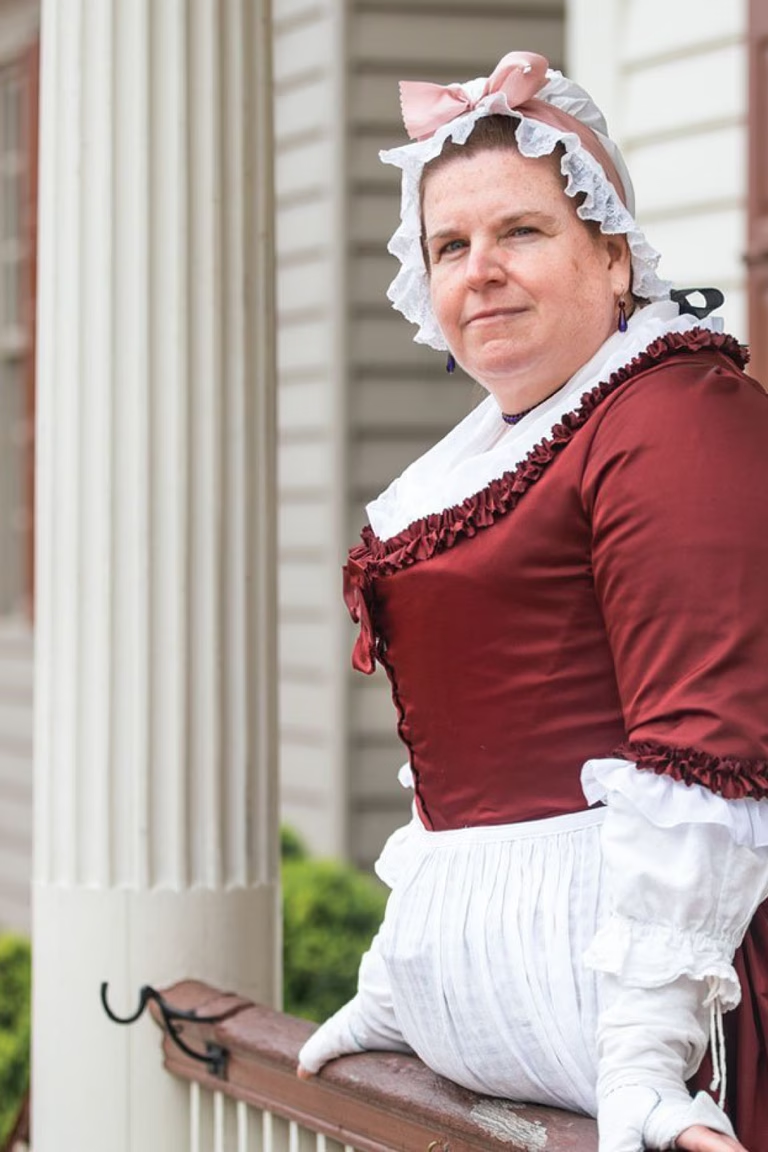
The fight for independence meant different things to colonists, enslaved people, and American Indians. Meet some of the people who sought and contributed to independence, whether for themselves or their communities, during the American Revolution.
History unfolds one day at a time. And every moment from our past tells a story. How did ordinary people navigate a world of colonialism, slavery, and revolution? How did colonists come to defy the social order? How did they build a new one? Dig into these stories to learn more.