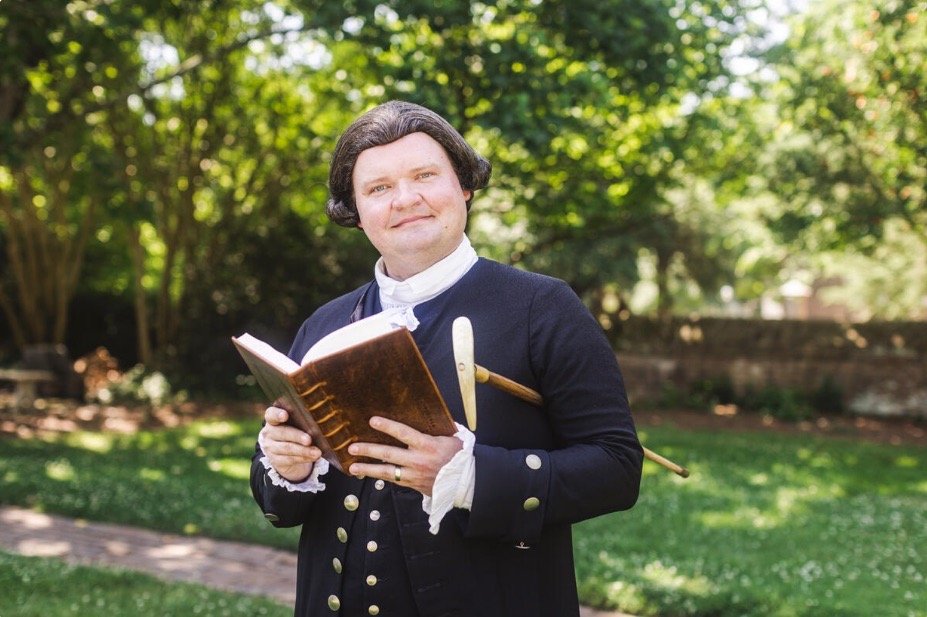
George Wythe
Known for his lifelong pursuit of virtue, George Wythe is remembered as a teacher of some of early America’s most influential minds.
On This page
Enlightenment
George Wythe would probably be delighted to learn that the land where he grew up in Virginia’s Tidewater region is now home to a NASA research center. It was there that he received his early education, likely from his mother.1 He developed a deep curiosity about the world, with interests ranging from philosophy, science, law, the classics, and astronomy.
George studied law and began practicing before marrying Anne Lewis at age 21. When she died the next year, Wythe moved to Williamsburg.2 About eight years later, George married Elizabeth Taliaferro, the daughter of a wealthy planter. Together, they moved into a brick home along the Palace Green.3
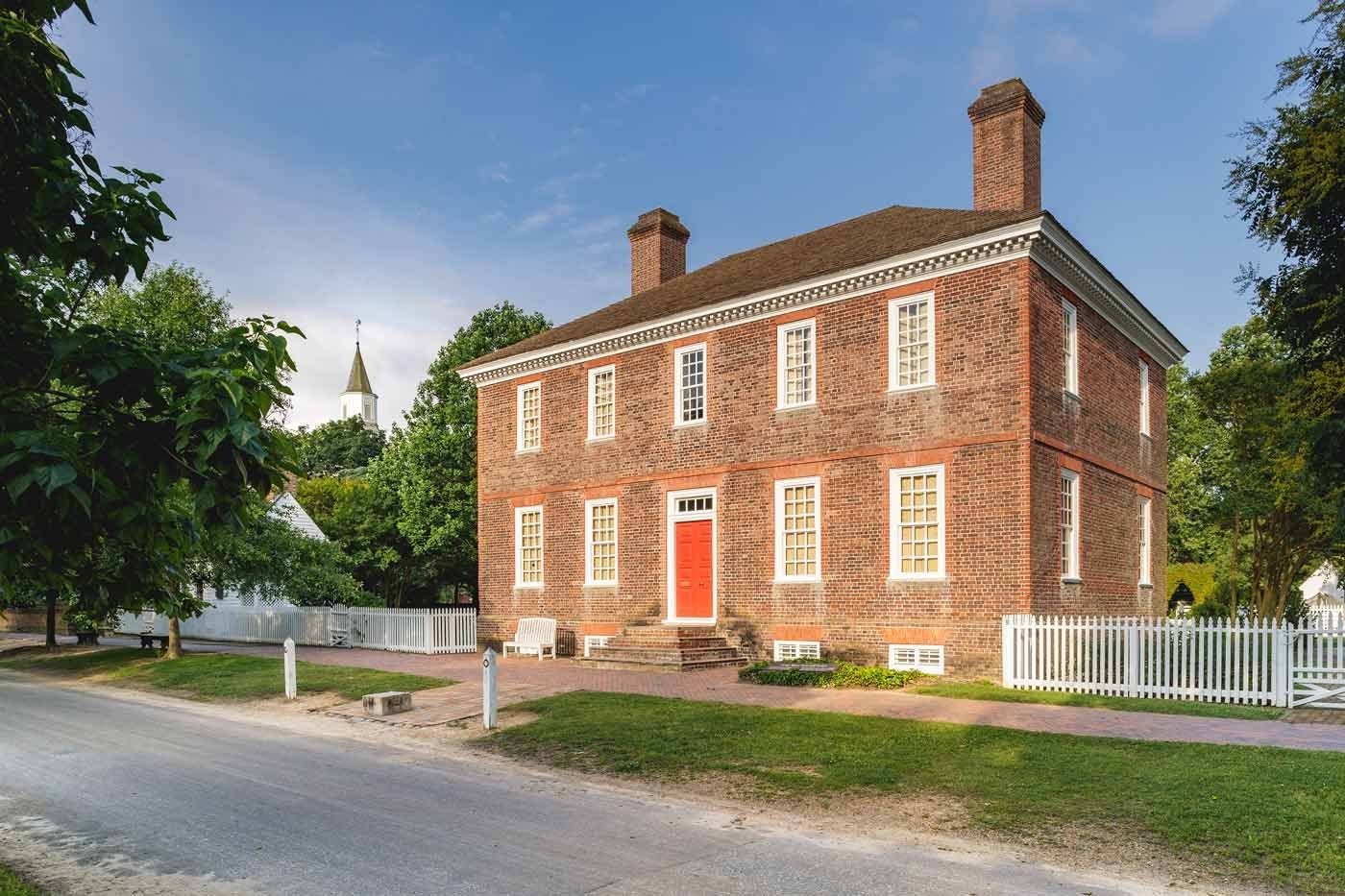
Virtually Visit the Wythe House
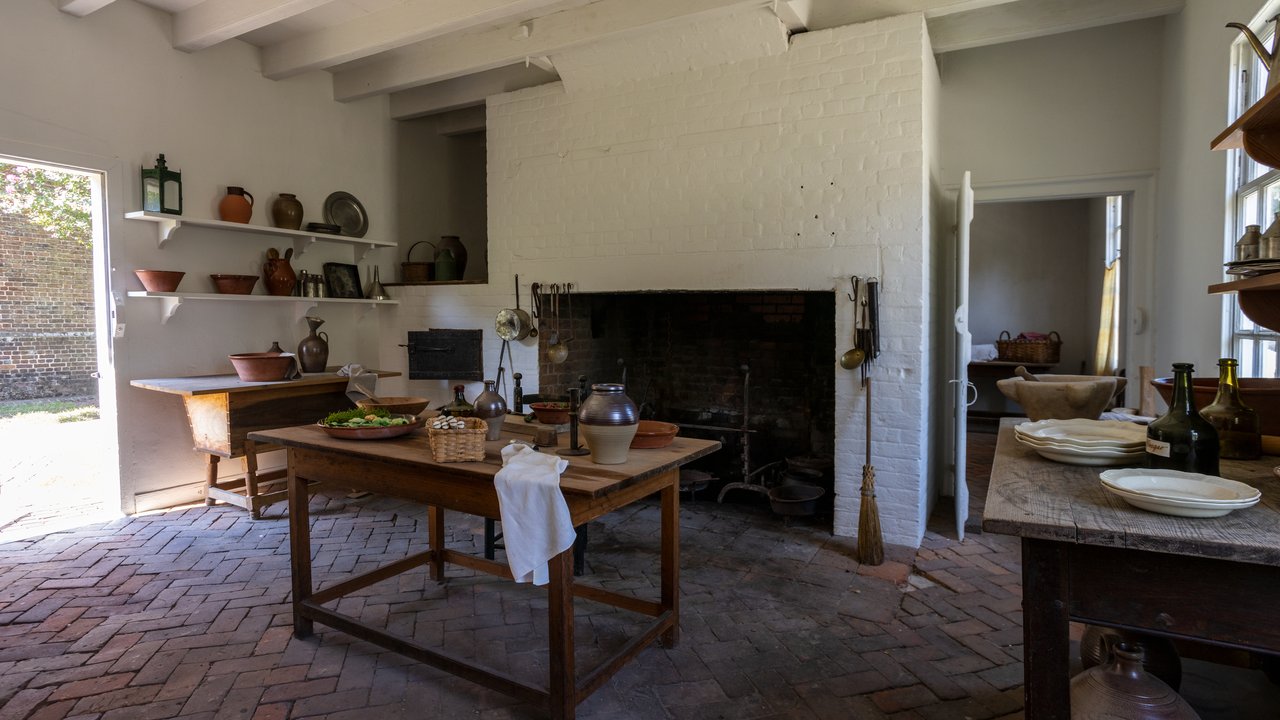
Take an immersive virtual tour of the George Wythe house, which still stands on the Palace Green as a historic house museum.
Wythe was a product of the Enlightenment, an intellectual movement that emphasized reason and scientific inquiry. He developed friendships with like-minded individuals, including Lieutenant Governor Francis Fauquier, College of William & Mary professor William Small, and young student Thomas Jefferson.4 Their discussions would have encompassed literature, science, and philosophy, likely including criticisms of slavery.5
America's Founding
As a member of Virginia’s legislature, the House of Burgesses, Wythe had a front-row seat to the growing political crisis between the colonies and Britain. He articulated his opposition to British policies early in the conflict, co-writing a letter protesting the Stamp Act. The letter argued that British colonists should not be subject to laws to which they had not consented.6 For decades to come, Wythe served in public roles that put him at the center of the revolution and the new nation.
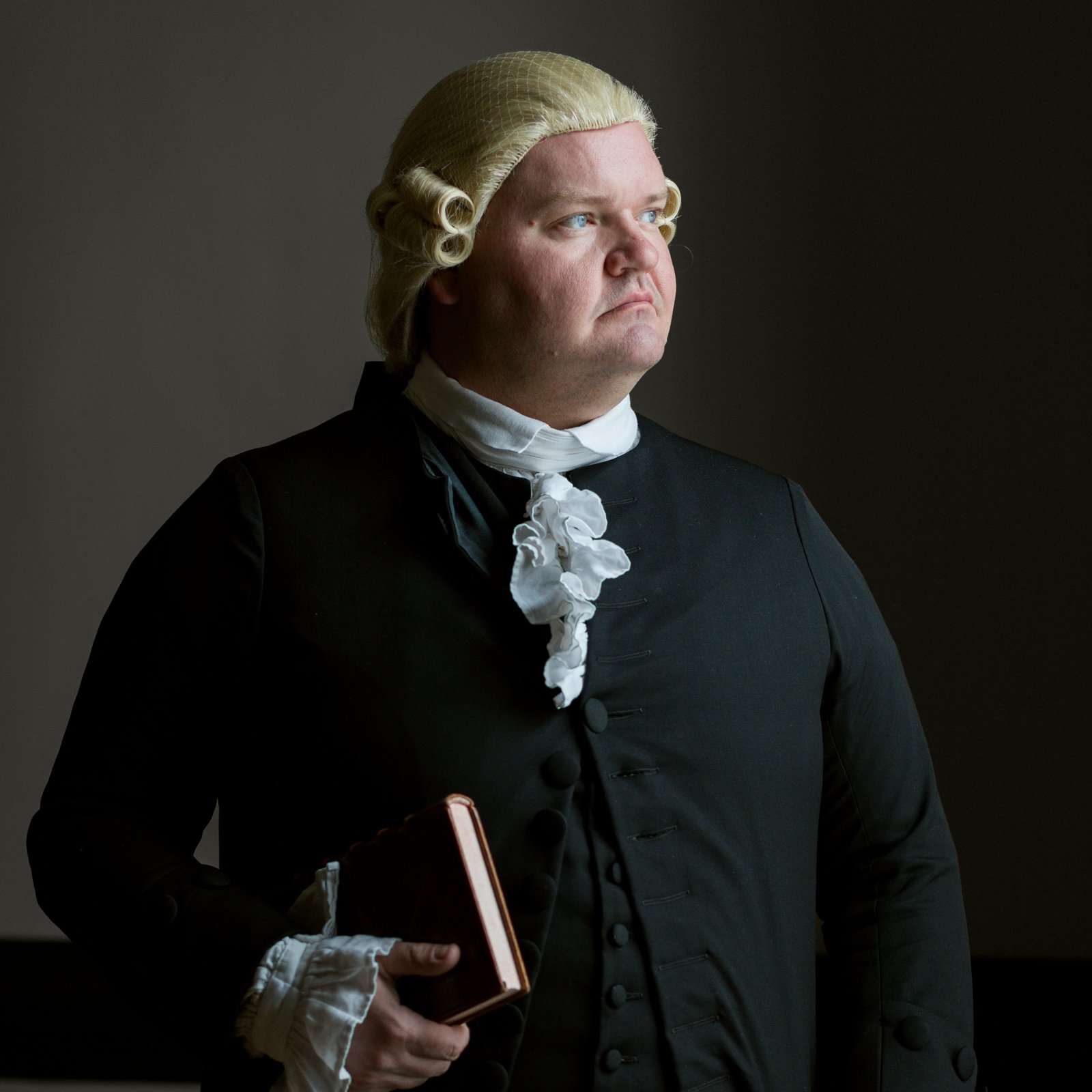
A Life of Public Service
Public service defined George Wythe’s life. He was a member of Virginia’s legislature, representative for Virginia at the Continental Congress and Constitutional Convention, professor of law, and judge. Scroll to learn more about Wythe’s public roles and his impact on America’s founding.

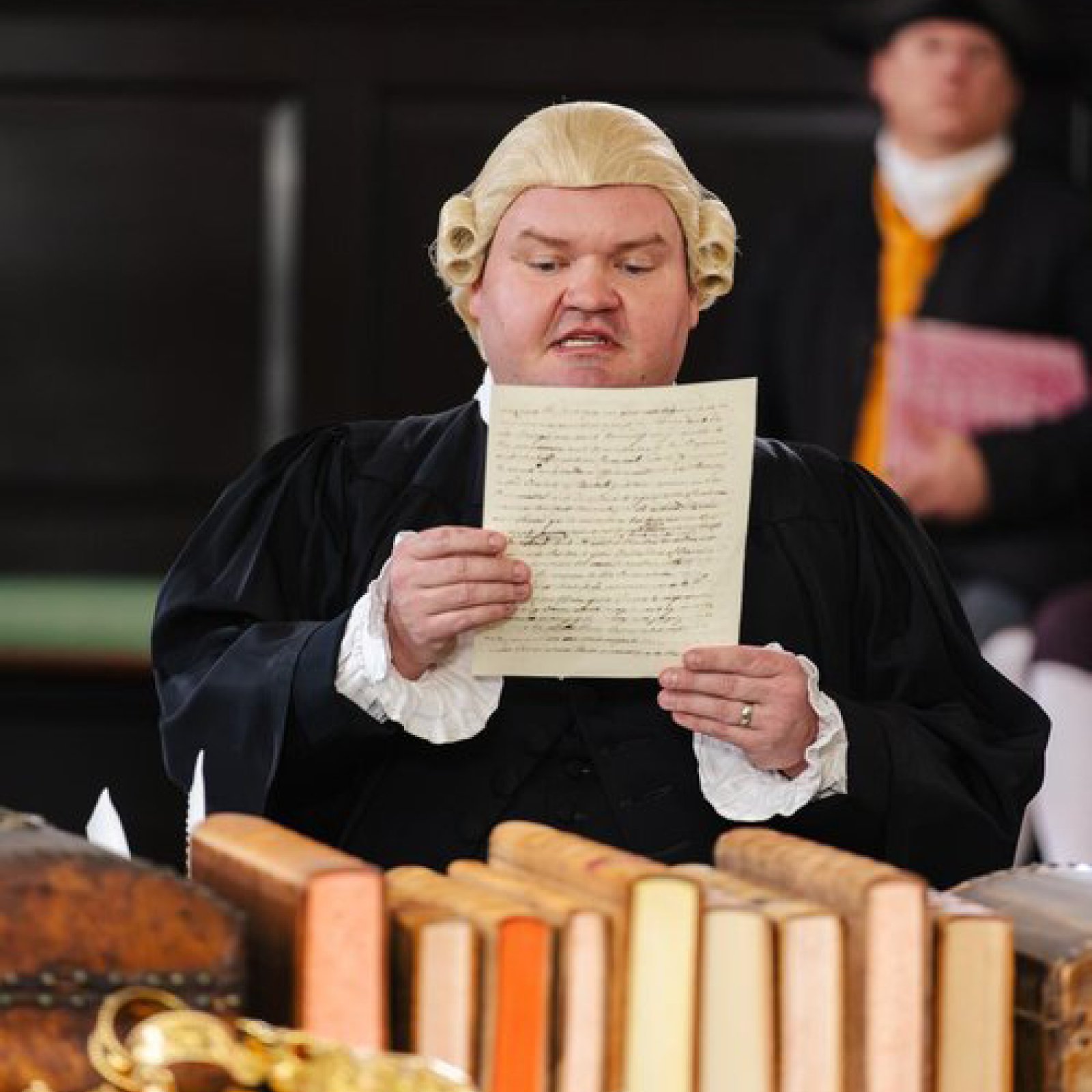
Legislator
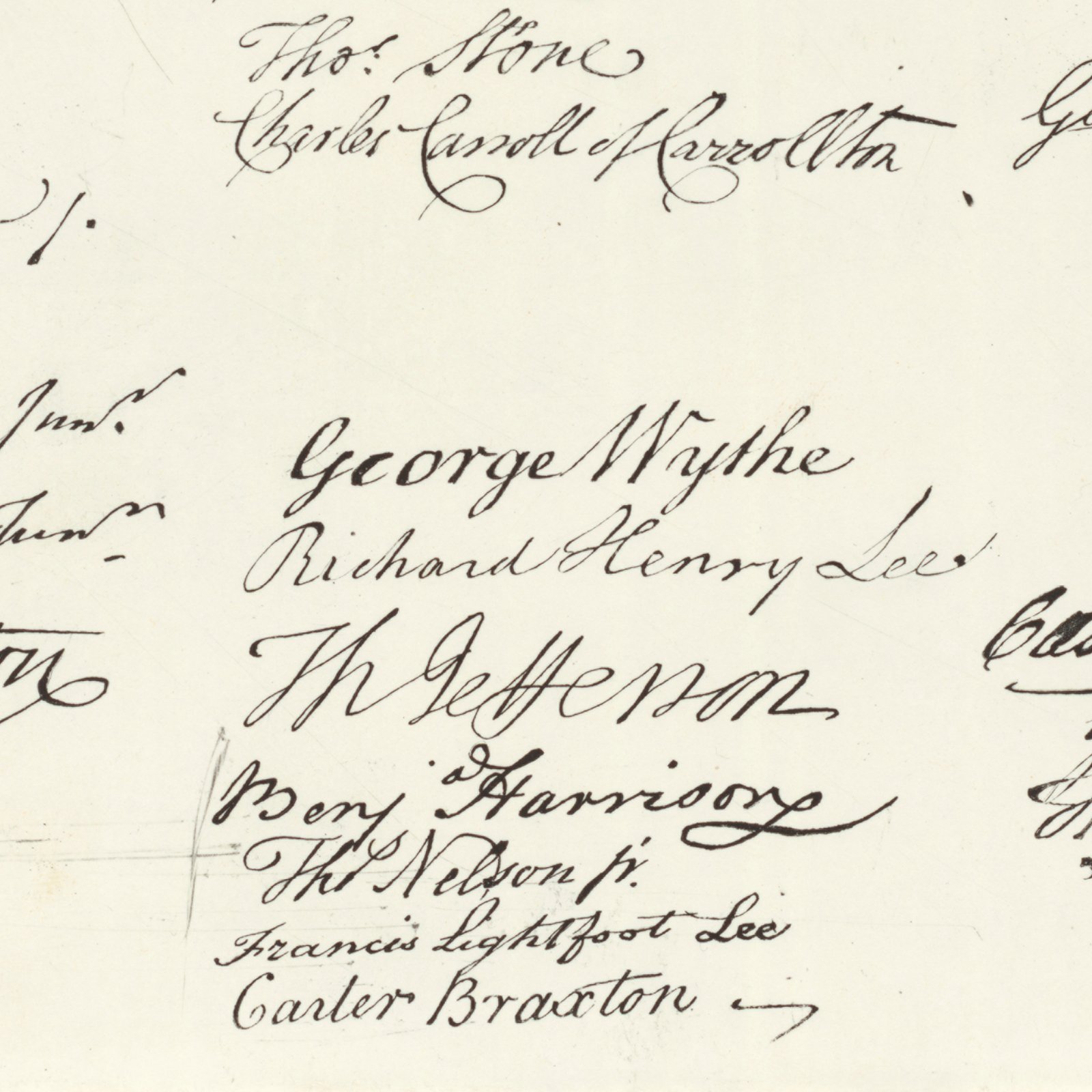
Wythe served in Virginia’s legislature as an elected representative and as a clerk in the lead-up to American Revolution. A scholar and lawmaker rather than a soldier, Wythe spent the key years after declaring independence serving on a committee to revise and codify Virginia’s laws.[7]
Signer
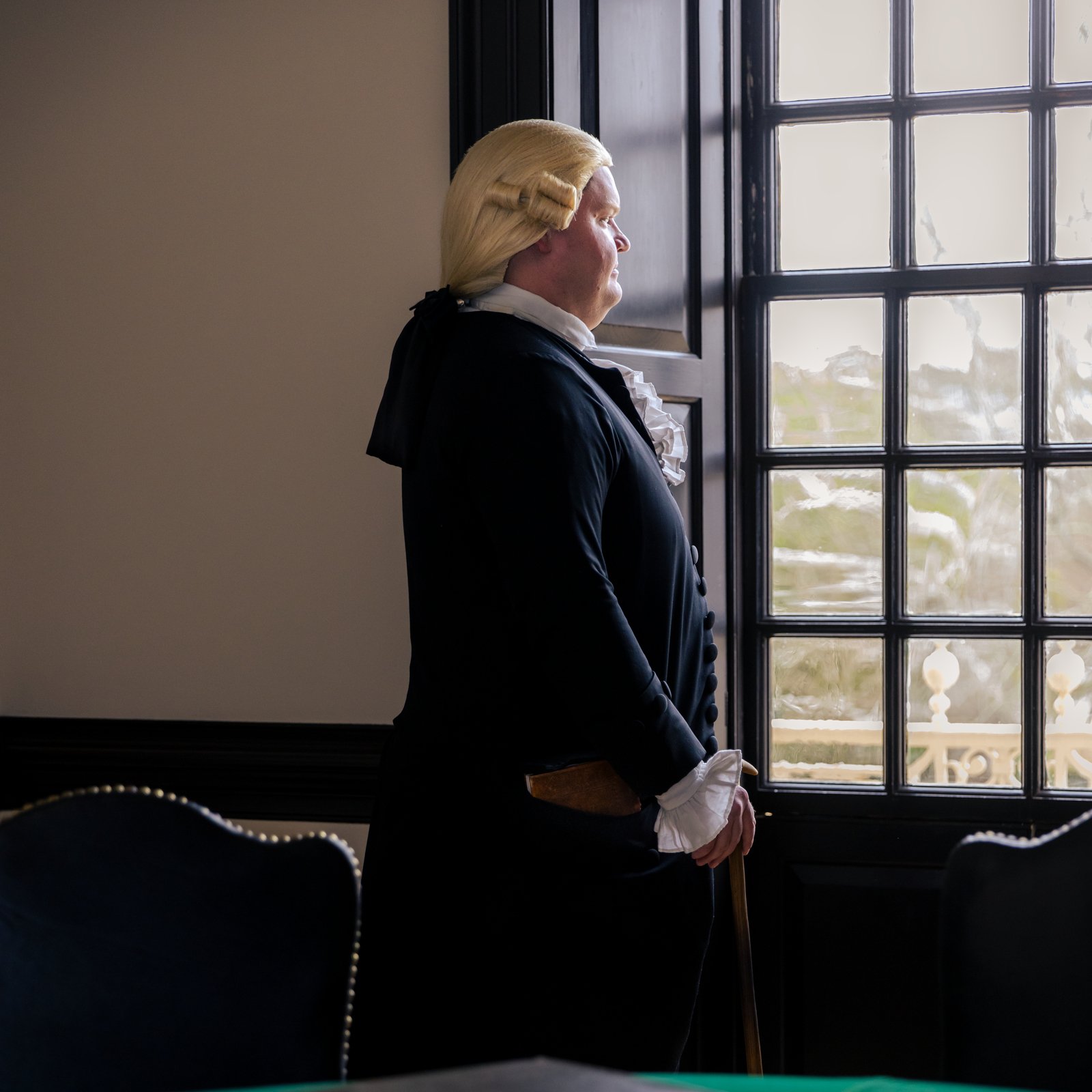
As a delegate to the Second Continental Congress, Wythe participated in debates over independence. He was home in Williamsburg when Congress adopted the Declaration of Independence. He signed the document after returning to Congress that fall.[8]
Delegate
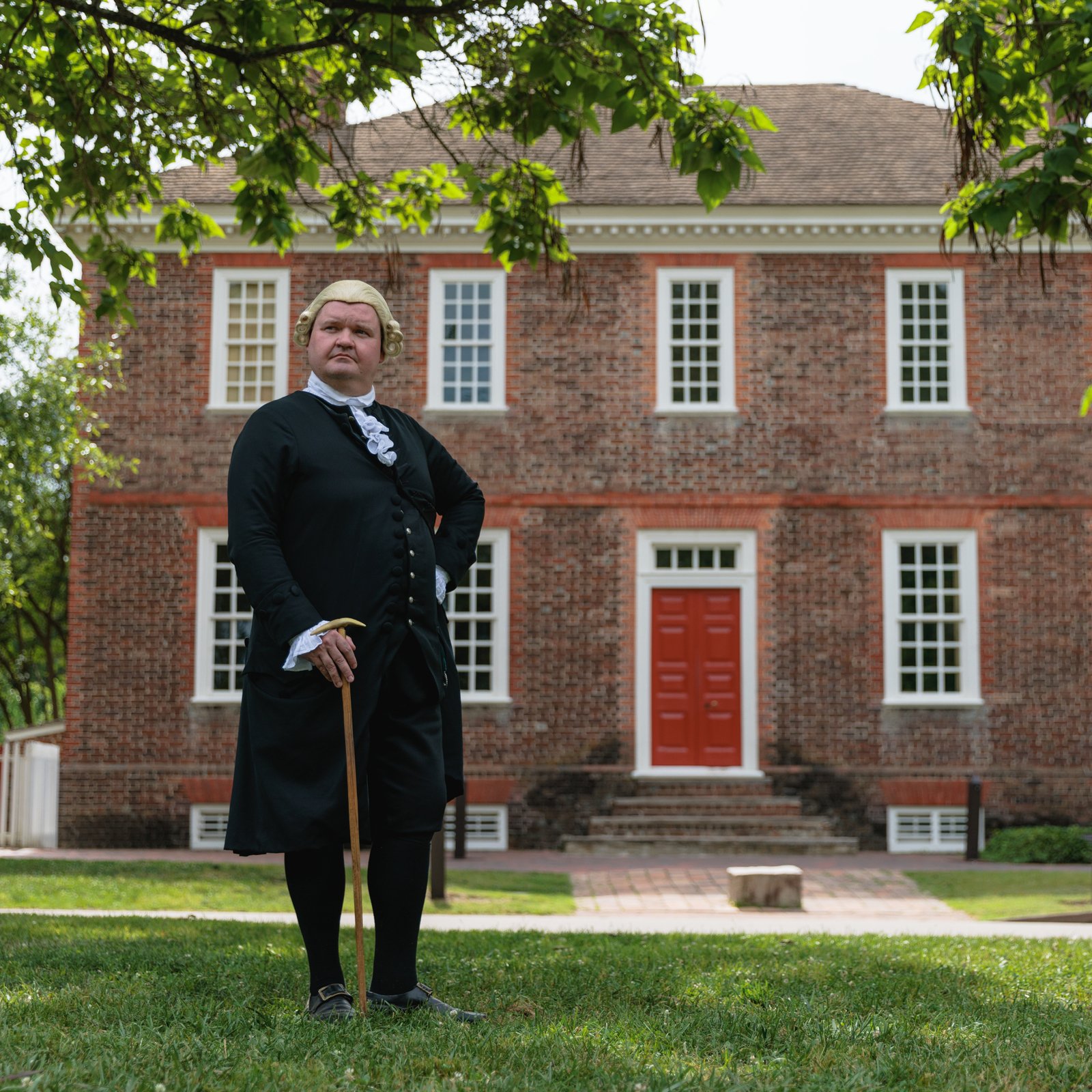
Wythe was a delegate to the Constitutional Convention in 1787, but he returned home shortly after arriving because his wife, Elizabeth, was ill. She died within months of his return. The next year, he attended Virginia’s Ratifying Convention, which after fierce debate voted to ratify the Constitution.[9]
Professor
Wythe taught many students law, including Thomas Jefferson. In 1779 he became the first law professor in America. He remained in the role at William & Mary for ten years. His innovations included a moot, or mock, court to train students in trial practice.[10]
Judge
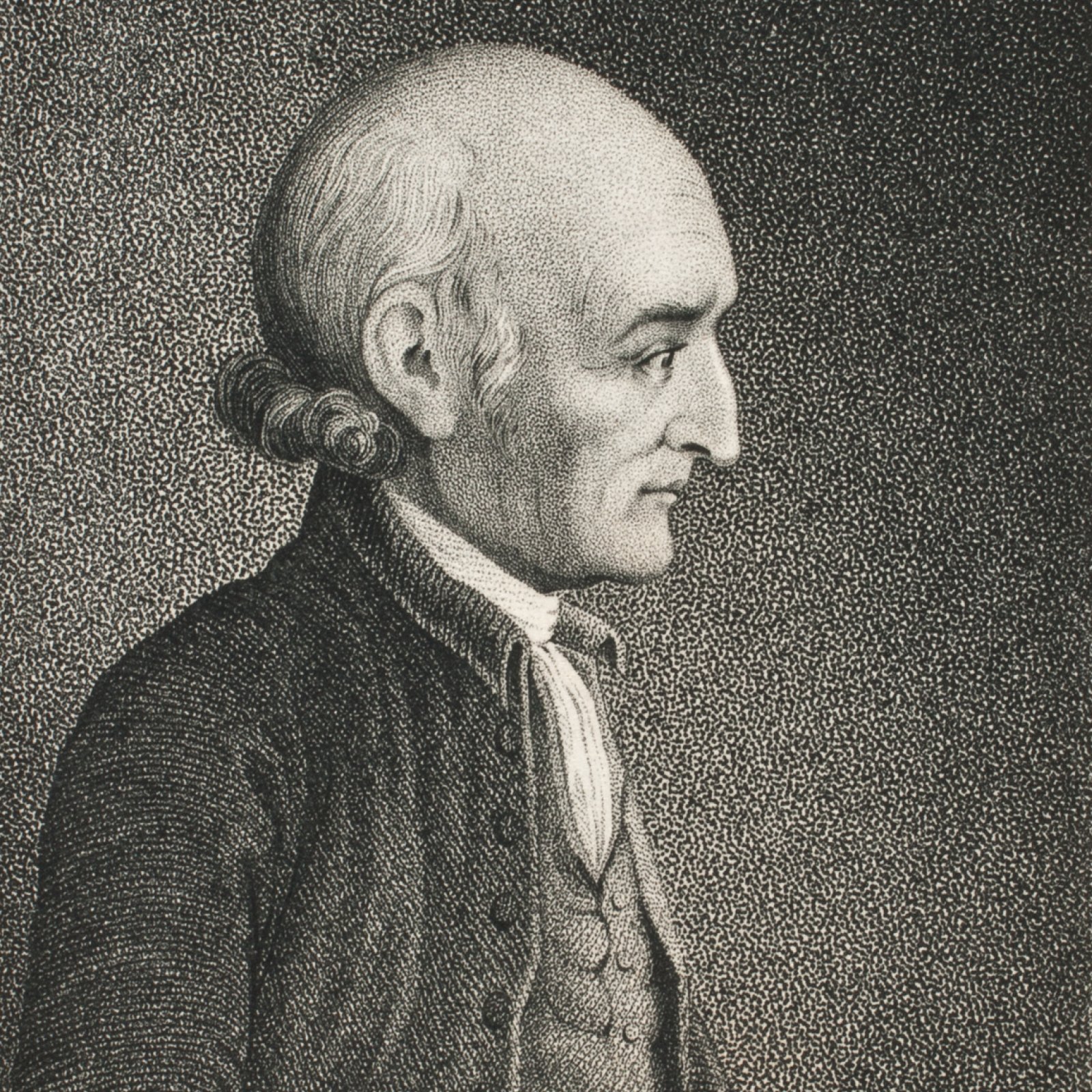
Wythe began serving as a judge on Virginia’s High Court of Chancery in 1778. The role required travel to Richmond, where he moved permanently in 1791. He remained on the court until his death.[11] Image: National Portrait Gallery (Public Domain).
Enslavement
Throughout his life, Wythe enslaved dozens of people. In 1783, the earliest year tax records recorded the names of each person in the Wythe household, he enslaved 28 people on his plantation near Hampton, Virginia, and 12 in Williamsburg.12 While his surviving private writings offer no reflections on the institution of slavery, in 1785 Thomas Jefferson wrote that Wythe‘s opposition to slavery was “unequivocal.”13 After Elizabeth’s death, Wythe began taking steps to end his personal ownership of enslaved people through manumission and gift. By the time of his death, he did not own any enslaved people.14 Wythe also challenged slavery in his public roles as legislator and judge, although his efforts made little change.15
George Wythe and Slavery
Learn more about the people enslaved by George Wythe, and Wythe’s relationship with the institution of slavery.
Legacy
No man ever left behind him a character more venerated than G. Wythe.
— Thomas Jefferson
Wythe helped build the United States not only through public service, but also by teaching generations of future leaders. Some of Wythe’s law students were among the most influential of their generation, includingpresidents Thomas Jefferson and James Monroe, and Supreme Court Chief Justice John Marshall.

Wythe shared his curiosity about the world with his students. A young student who boarded with Wythe described filling their leisure time by conducting experiments with an “Electrical machine.”16 Wythe extended his teaching beyond paying students. One student marveled to a friend that Wythe had "begun to teach Jamey, his [Black] servant to write.”17
Wythe’s will in many ways encapsulates his legacy of education and mentorship. He left his “books and small philosophical apparatus” to his former student and friend Thomas Jefferson. He also provided for the education of his servant, a formerly enslaved boy named Michael Brown.18
George Wythe died in 1806 after being poisoned by his grand-nephew. Michael Brown ingested the same poison and also died. While Lydia Broadnax, a formerly enslaved woman Wythe had manumitted in 1787, witnessed the crime, she was unable to testify in the ensuing trial because she was Black. The accused was acquitted.19
Additional Resources
The inclusion of George Wythe in Colonial Williamsburg’s Nation Builders program is generously funded by Judge Paul R. Michel and Ms. Brooke England as well as The Kern Family Foundation.
