Travel Journals
There’s an old joke: two fish are swimming in the ocean. An older fish passes them, and says “Good morning. How’s the water?” The two other fish swim along, until one looks at the other and asks, “What’s water?”
For those seeking to understand the culture and texture of everyday life in the past, this is the curse of the obvious. When historians look at documents from eighteenth-century Virginia, the simplest things so often go unsaid. How was a meal served? What did the streets look like? Such ordinary facts are hardly worth recording. For historians, the simplest facts are sometimes the most elusive.
That’s why historians value travel journals. Written by outsiders, travel journals often describe the exotic details of everyday life too boring for an insider to remark on. Colonial Williamsburg researchers often use these sources to help understand the water that early Virginians swam in.
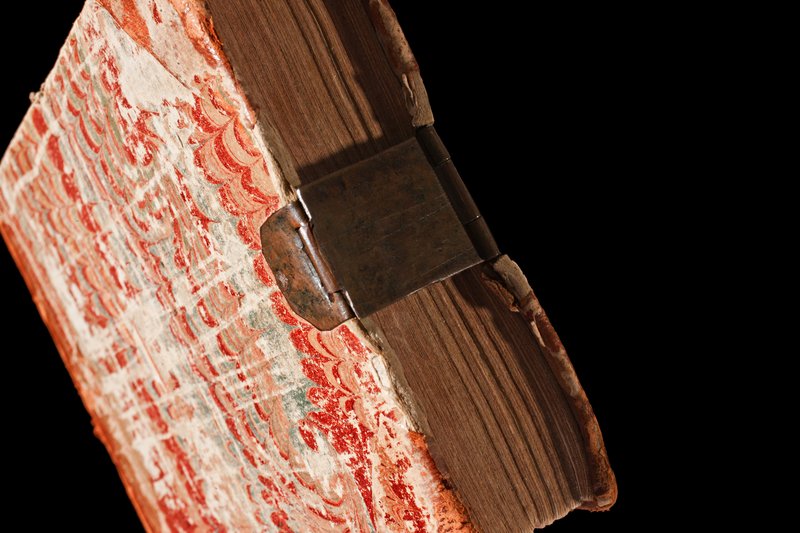
The second volume of Nicholas Cresswell’s travel diary, in Special Collections, John D. Rockefeller Jr. Library. MS 1961.2. Learn more in the Finding Aid, https://ead.lib.virginia.edu/vivaxtf/view?docId=cw/viwc00005.xml.
What is a Travel Journal?
In the eighteenth century, travel was far more difficult than today. It was normal to live and die without straying far from one’s homeland. Figures like James Madison and Patrick Henry never left their country. For many, crossing oceans and borders into a different land was a significant, once-in-a-lifetime event. Some travelers kept journals, recording their impressions of these strange new lands. Visitors to Virginia often commented on the many differences between their homelands and the rough-hewn tobacco colony.
Some travelers kept their journals with a clear purpose in mind. Ebenezer Hazard, who visited Williamsburg in 1777, hoped to publish a book of geography based on what he saw.1 Elizabeth House Trist kept a journal of her journey into Spanish Louisiana to share her observations with Thomas Jefferson.2 Englishman Nicholas Cresswell used his journal to record his impressions of Virginia, to help him decide if he would immigrate there. Arriving in 1774, amid revolutionary tumult, he chose to return.3 Many travelers simply kept their journals for themselves or family and friends.4
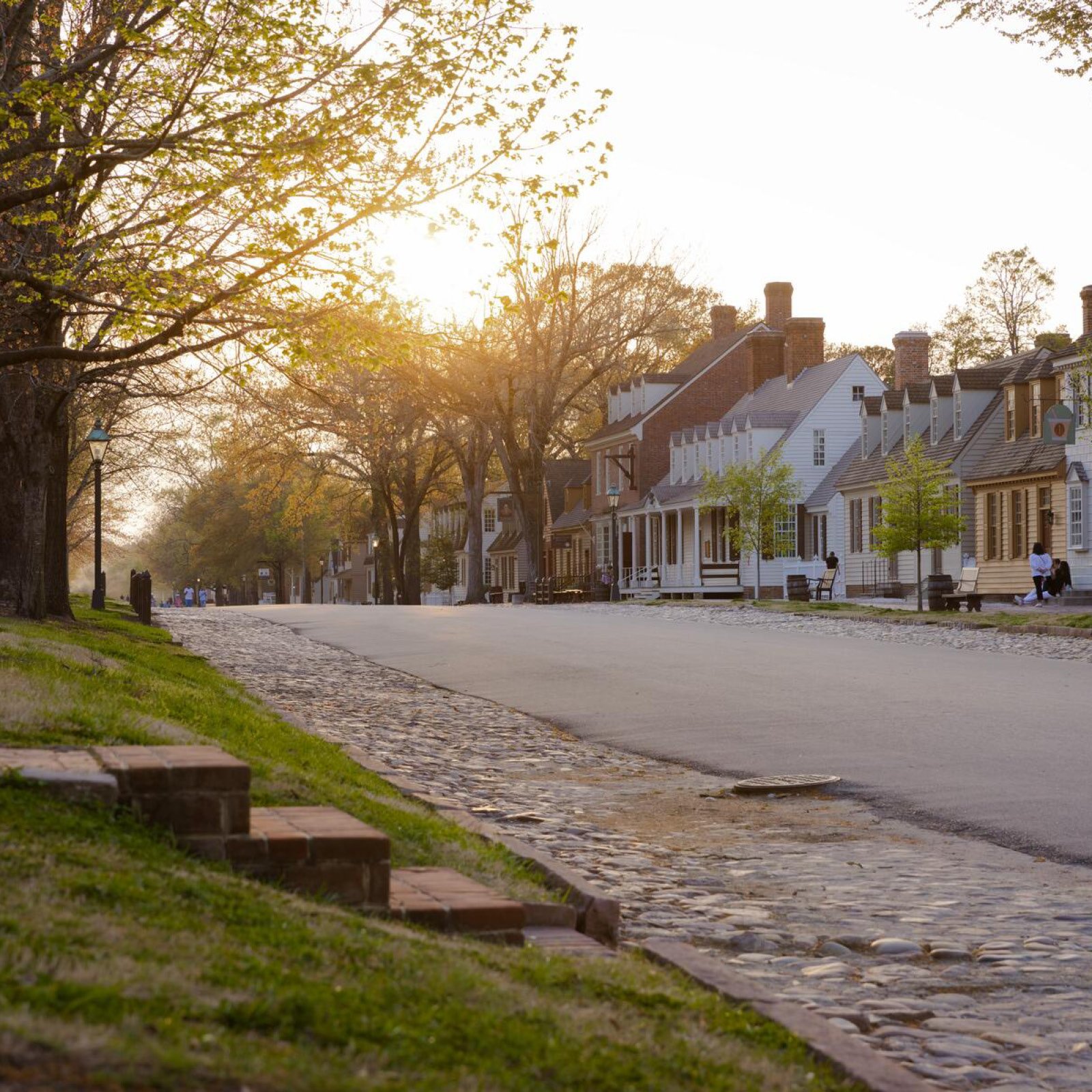
Travelers Rate Early Williamsburg
Visitors to early Williamsburg had strong opinions. Impressions varied. Some found beauty in its openness and impressive public buildings. Others found a squalid, backwards town. Scroll on to learn more about how travelers viewed the town.

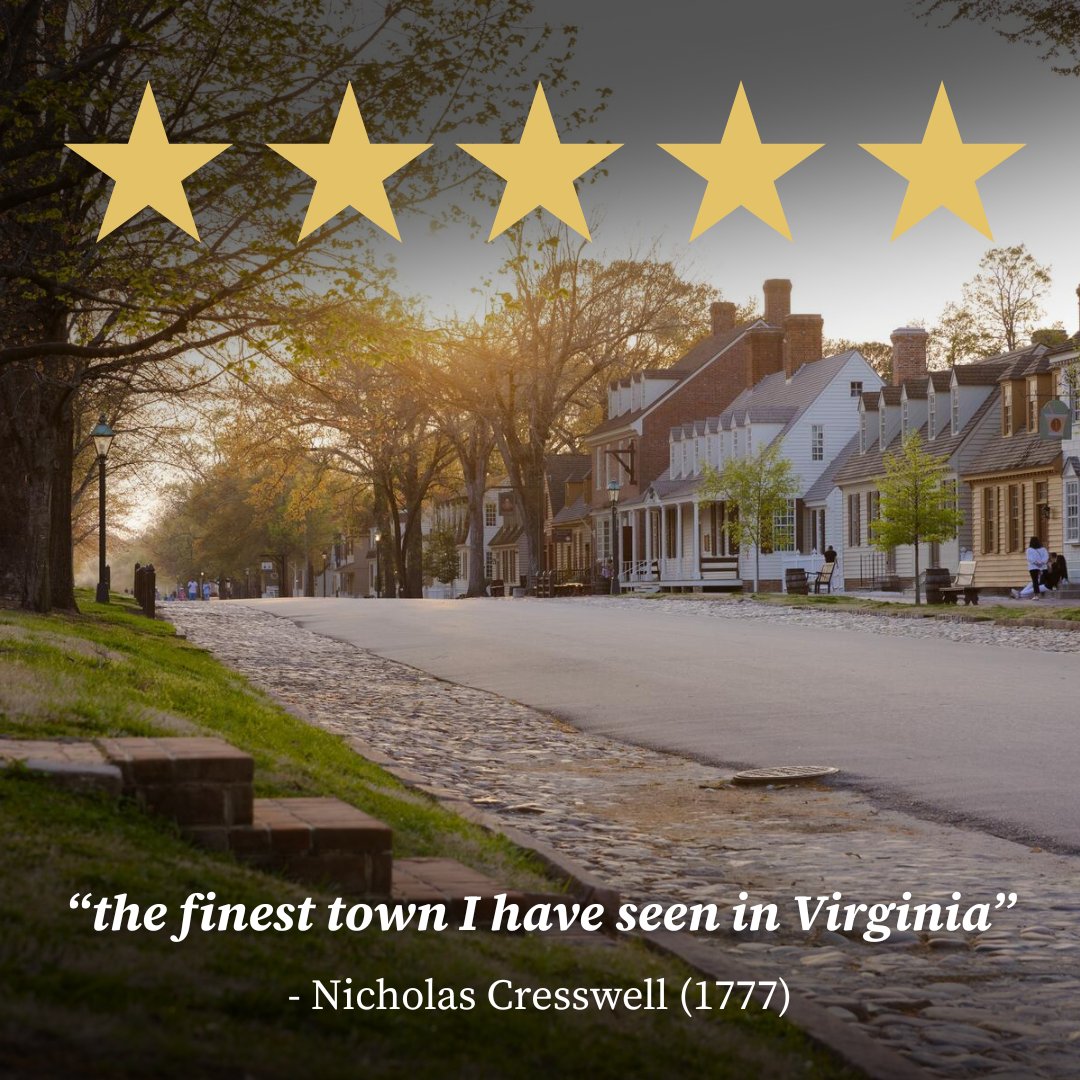
Nicholas Cresswell
Williamsburg impressed Englishman Nicholas Cresswell. He wrote that the city’s “principal street” was “about a mile long, very wide and level with a number of good buildings, the Capitol at one end… and the College at the other.”[5]
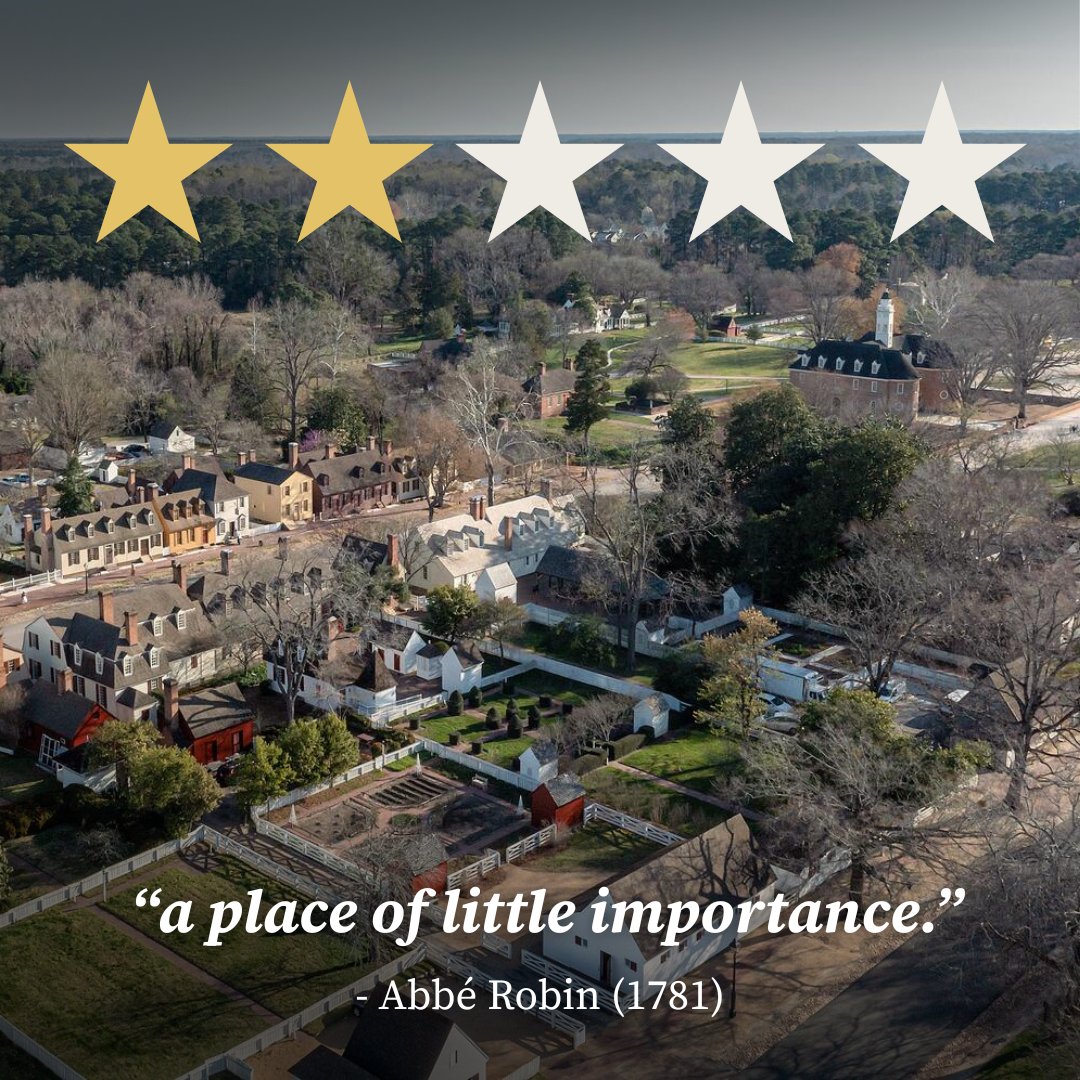
Abbé Robin
Williamsburg was “the only town we have yet seen in Virginia worth mentioning,” according to the abbé Robin, a French clergyman. But he predicted it would never “be a place of any great importance.”[6]
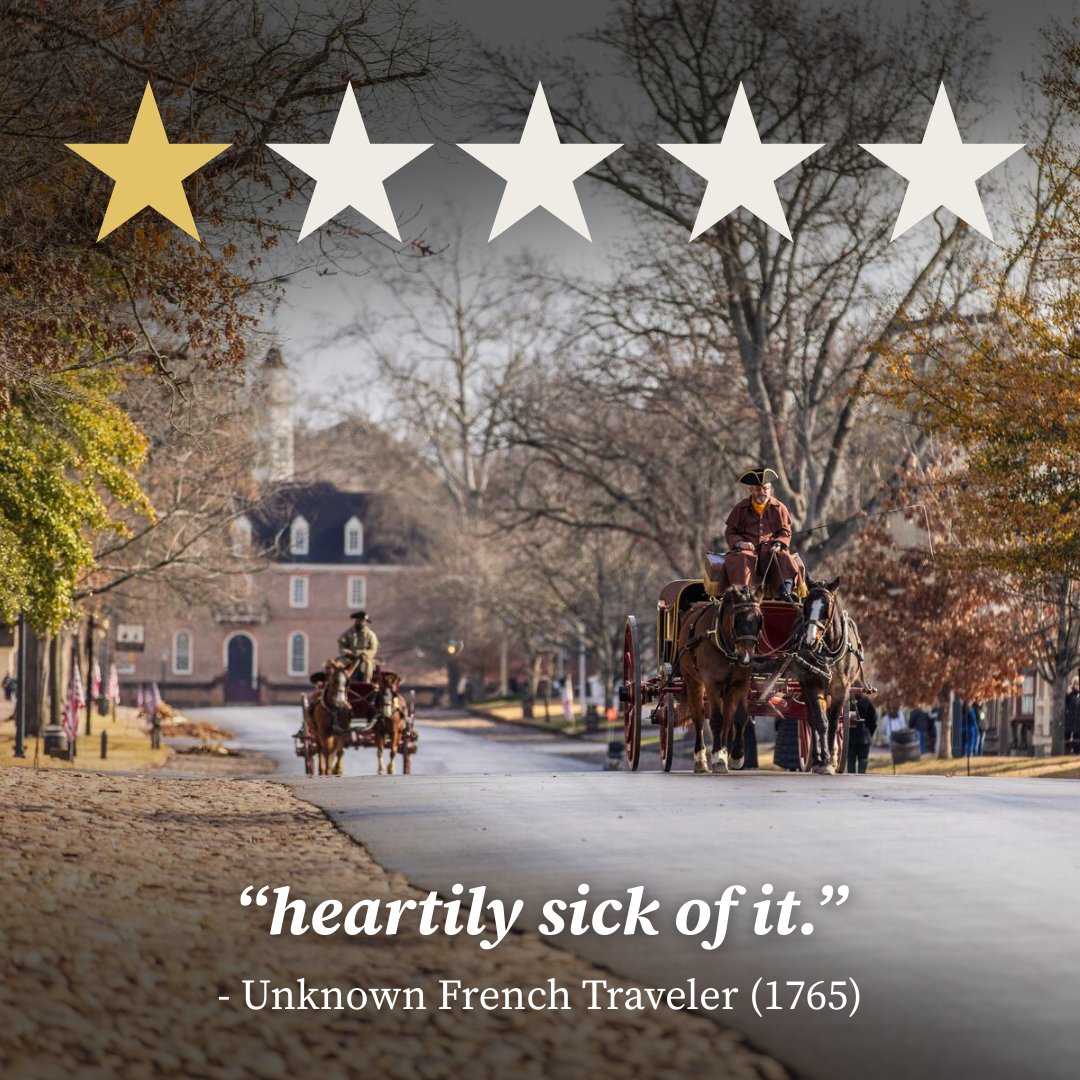
French Traveler, 1765
During daytime, wrote a French traveler, Williamsburg was a scene of “people hurying back and forwards from the Capitoll to the taverns.” At night, the city full of “Carousing and Drinking,” showing the “Extravagant Disposition of the planters.”[7]
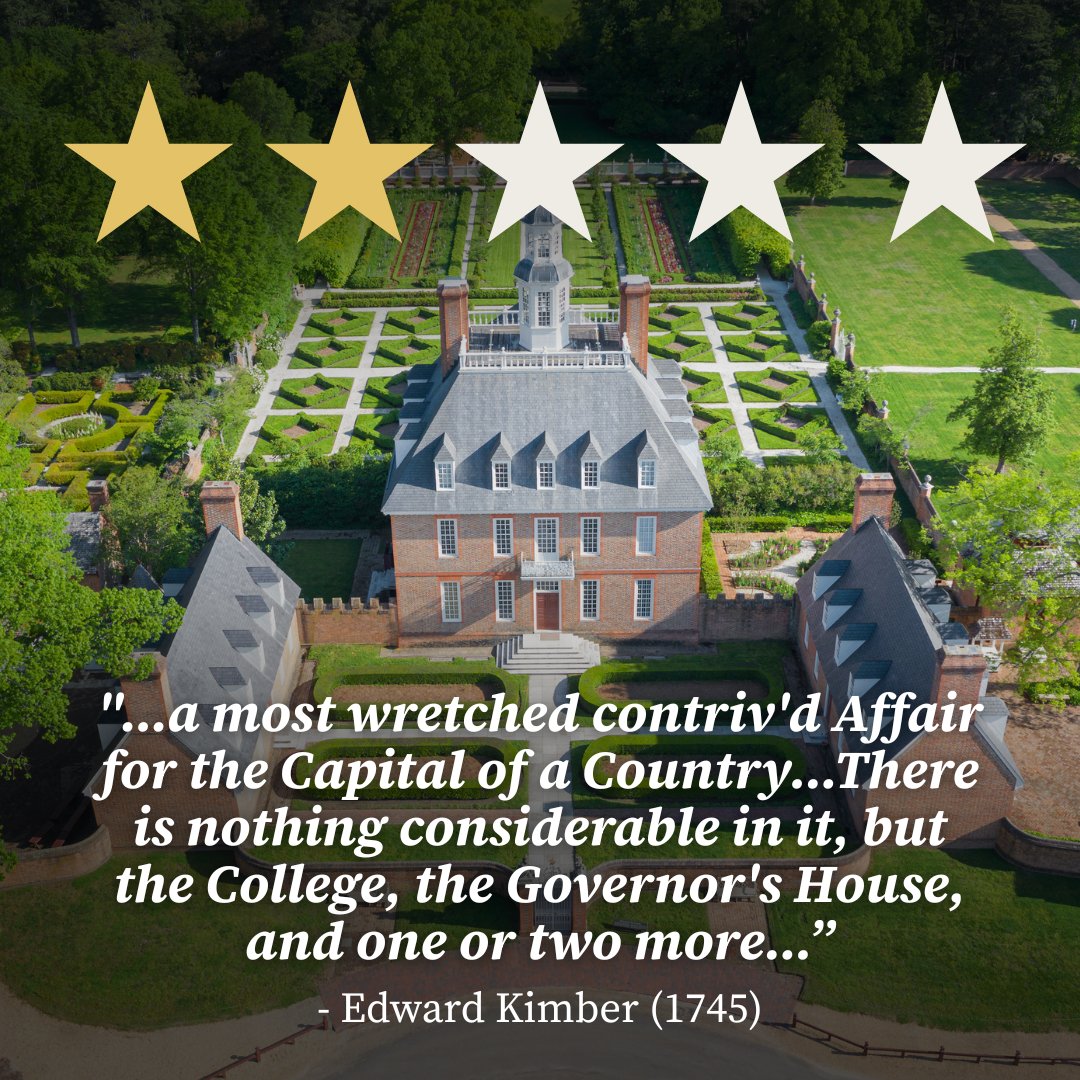
Edward Kimber
Edward Kimber wrote that “Williamsburgh is a most wretched contriv'd Affair … in a bad Situation. There is nothing considerable in it, but the College, the Governor's House, and one or two more, which are no bad Piles…”[8]
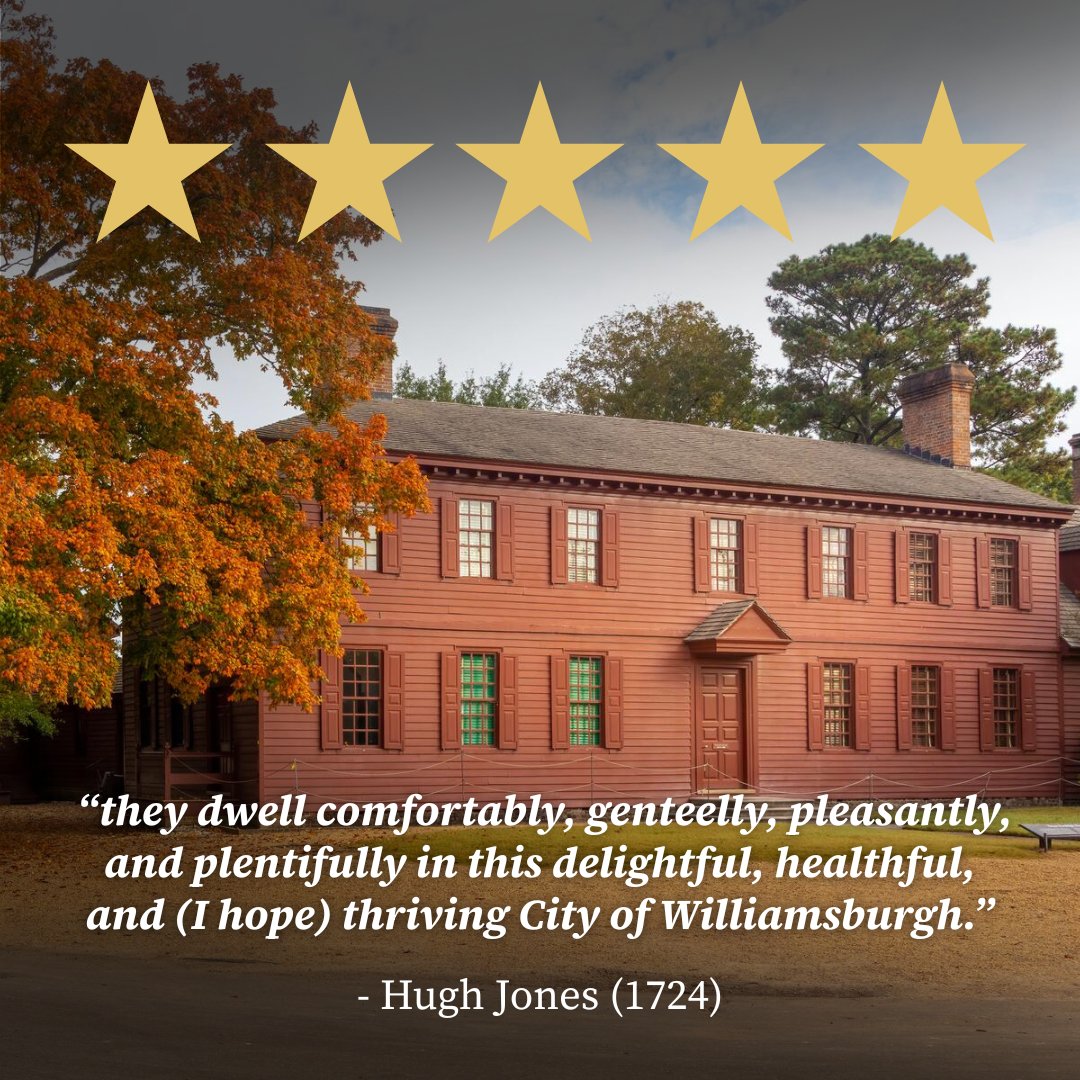
Hugh Jones
Jones wrote that Williamsburg’s buildings were “justly reputed the best in all the English America … exceeded by few of their Kind in England.” The town had “splendid Entertainments” and “handsom, well-dress’d, compleat Gentlemen.”[9]
Virginia Slavery from the Outside
Travelers to Virginia regularly remarked on the treatment of enslaved people.10 For some, the everyday sights of enslavement on the streets of Virginia were shocking. In 1765, a French visitor arrived in Williamsburg to the sight of three enslaved people hanging from the gallows, having been convicted of robbery.11 Cresswell described scenes of enslaved people flogged “for the most trifling faults, sometimes for mere whims” of enslavers. The “Cruelty” committed against enslaved people was “shocking to humanity and a disgrace to human nature.”12 Virginia’s enslavers, who left behind the most records, seldom discussed slavery in such critical terms.
Ebenezer Hazard noted that Virginians “do not pay proper Attention to Decency in the Appearance” of the enslaved people. He wrote that he had seen young people “going through the Streets quite naked,” and that “This is so common a sight that even the Ladies do not appear to be shocked at it.”13 The Marquis de Chastellux concurred that “it was a singular sight for an European” to see enslaved people in public, without clothing that they considered appropriate.14
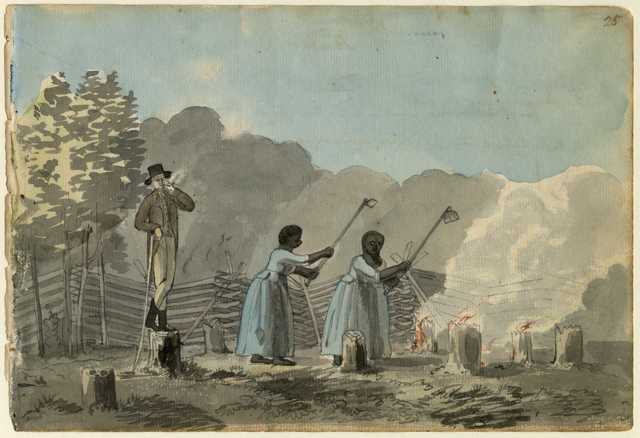
Traveler Benjamin Henry Latrobe kept a sketchbook, containing this watercolor titled “An overseer doing his duty near Fredericksburg, Virginia” (ca. 1798). Courtesy of the Maryland Center for History and Culture.
Travelers often pointed out that slavery not only harmed enslaved people, but also degraded white Virginians. Nicholas Cresswell and Hugh Jones agreed that slavery made Virginians “exceedingly indolent.”15 Others pointed out that it promoted an extraordinary degree of inequality in Virginia, practically “unknown elsewhere in America.”16
At times, travel diaries offer hints at the everyday life of enslaved people in Virginia. William Hugh Grove was interested in their agricultural labor. He wrote that enslaved people “Work from Sunrising to setting,” except for Sundays, when they grew food for themselves. Grove recorded that the enslaved people he encountered were given the task of caring for 6,000 tobacco plants each, in addition to growing corn.17 Cresswell described going to see a Sunday ball held by enslaved people and witnessing them dance to a four-stringed banjo made of a gourd.18
Notable Travel Diarists
Being the most populous and wealthy British colony, and then American state, Virginia attracted visitors from around the world. What did they find? What surprised them?

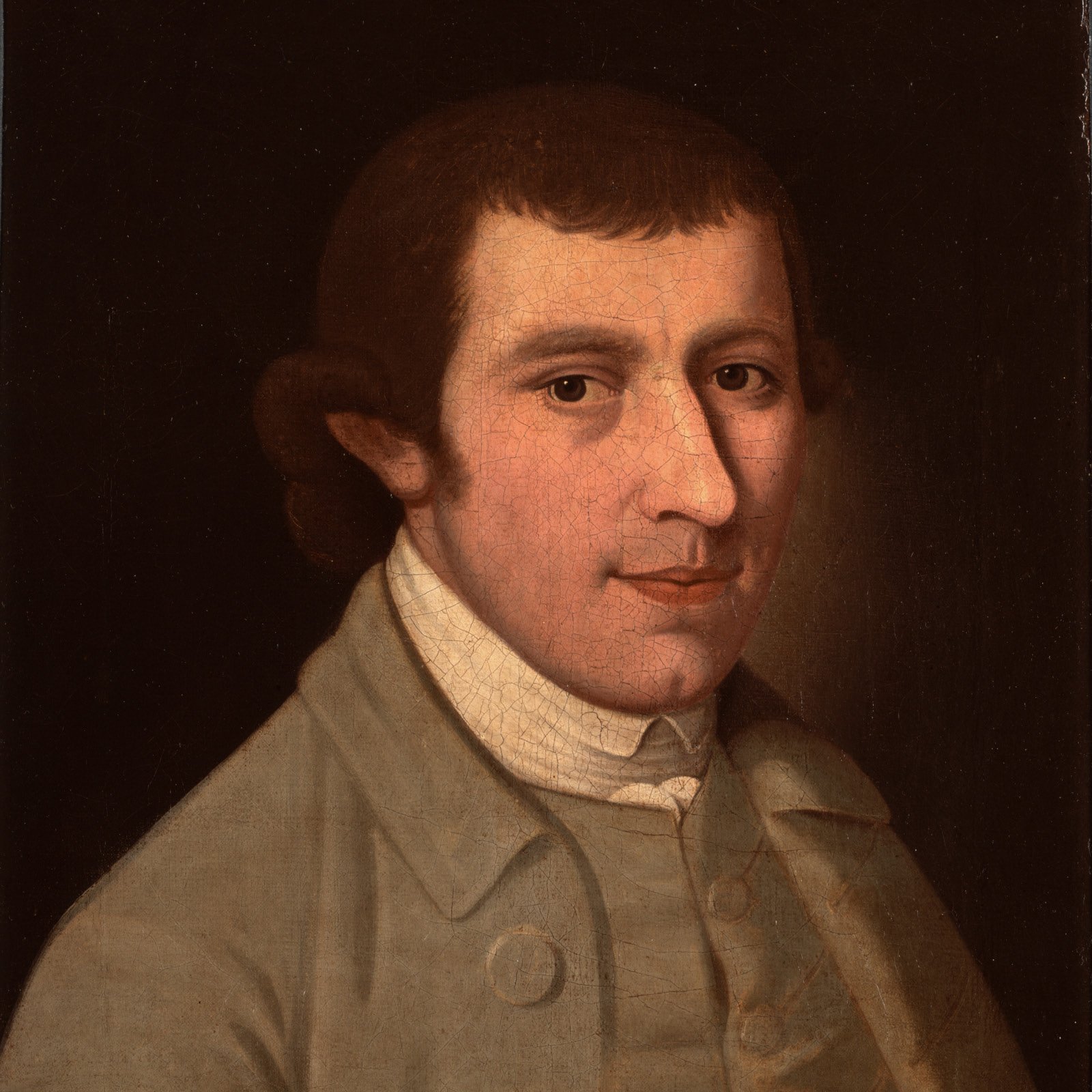
Nicholas Cresswell
Arriving in Virginia amid the tumult of the American Revolution, Cresswell found that “the King is openly cursed, and his authority set at defiance. In short, everything is ripe for rebellion.”[19]
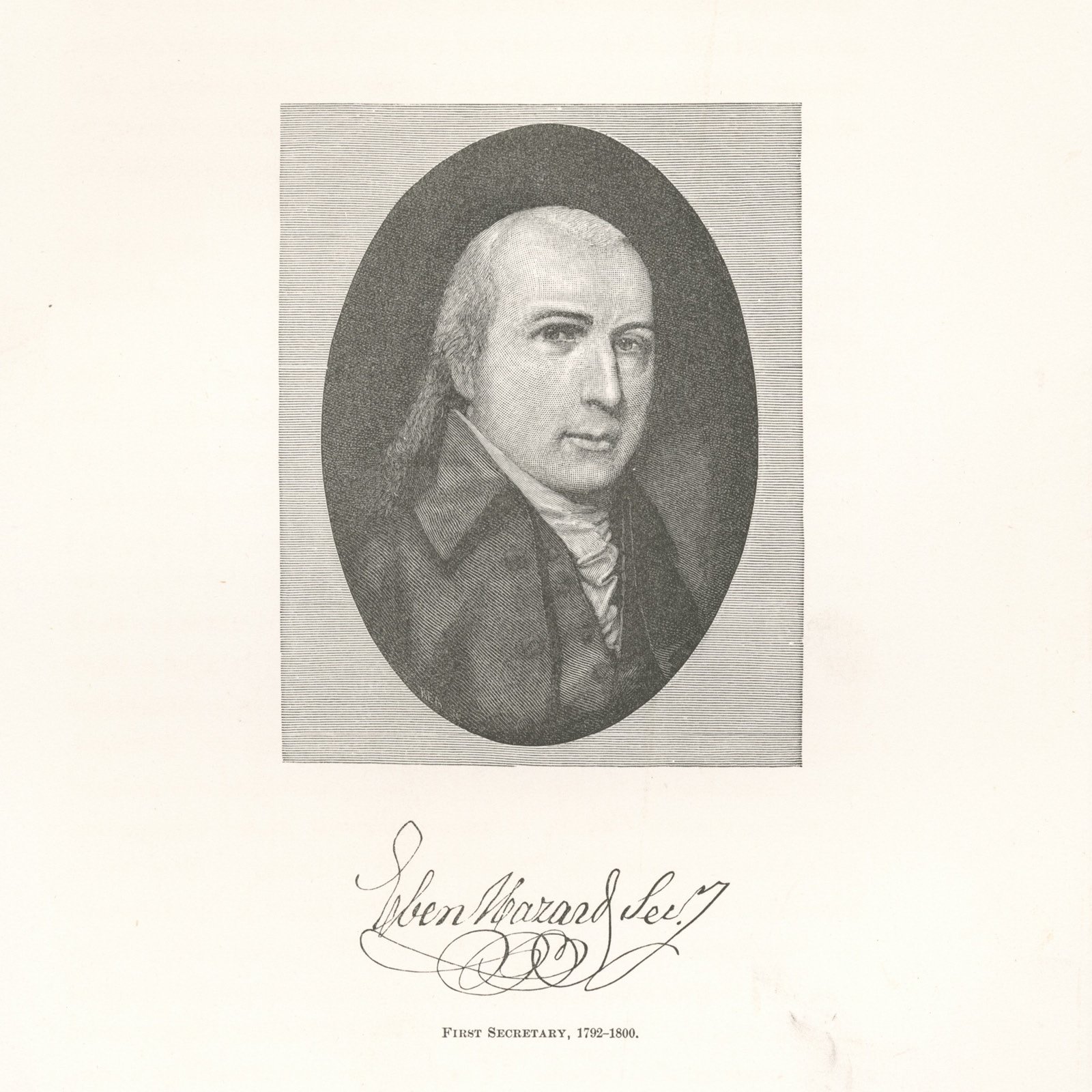
Ebenezer Hazard
Hazard wrote about Virginia while surveying a postal road. He found the Virginia gentry was “much addicted to Gaming, drinking, swearing, horse-racing, Cock-fighting, & most Kinds of Dissipation.”[20]
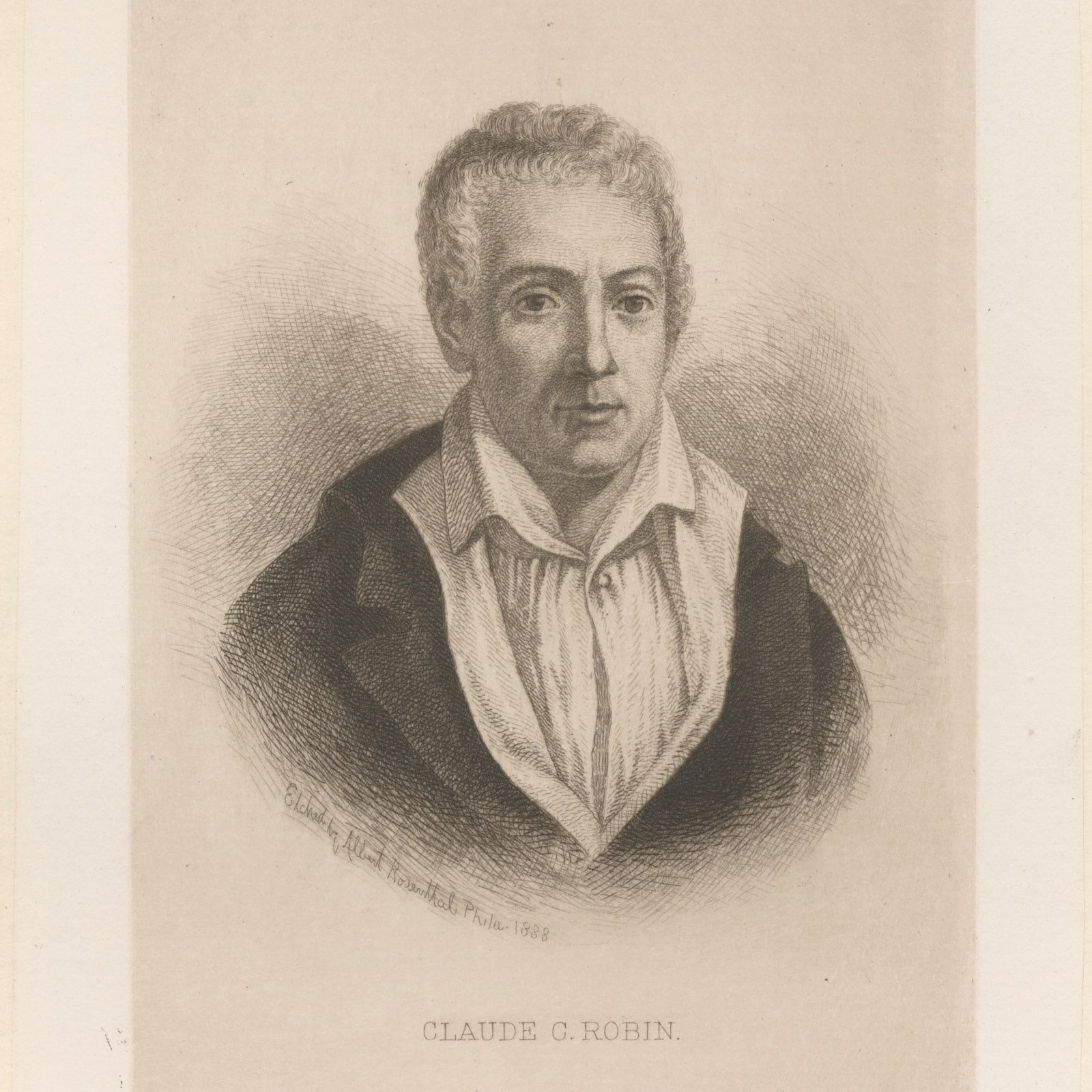
Abbé Robin
A French army chaplain during the Yorktown campaign, Robin viewed Williamsburg’s Capitol and college with “lively satisfaction.” They made him homesick for Europe, calling to his “mind places and persons most intimately connected with my heart.”[21]
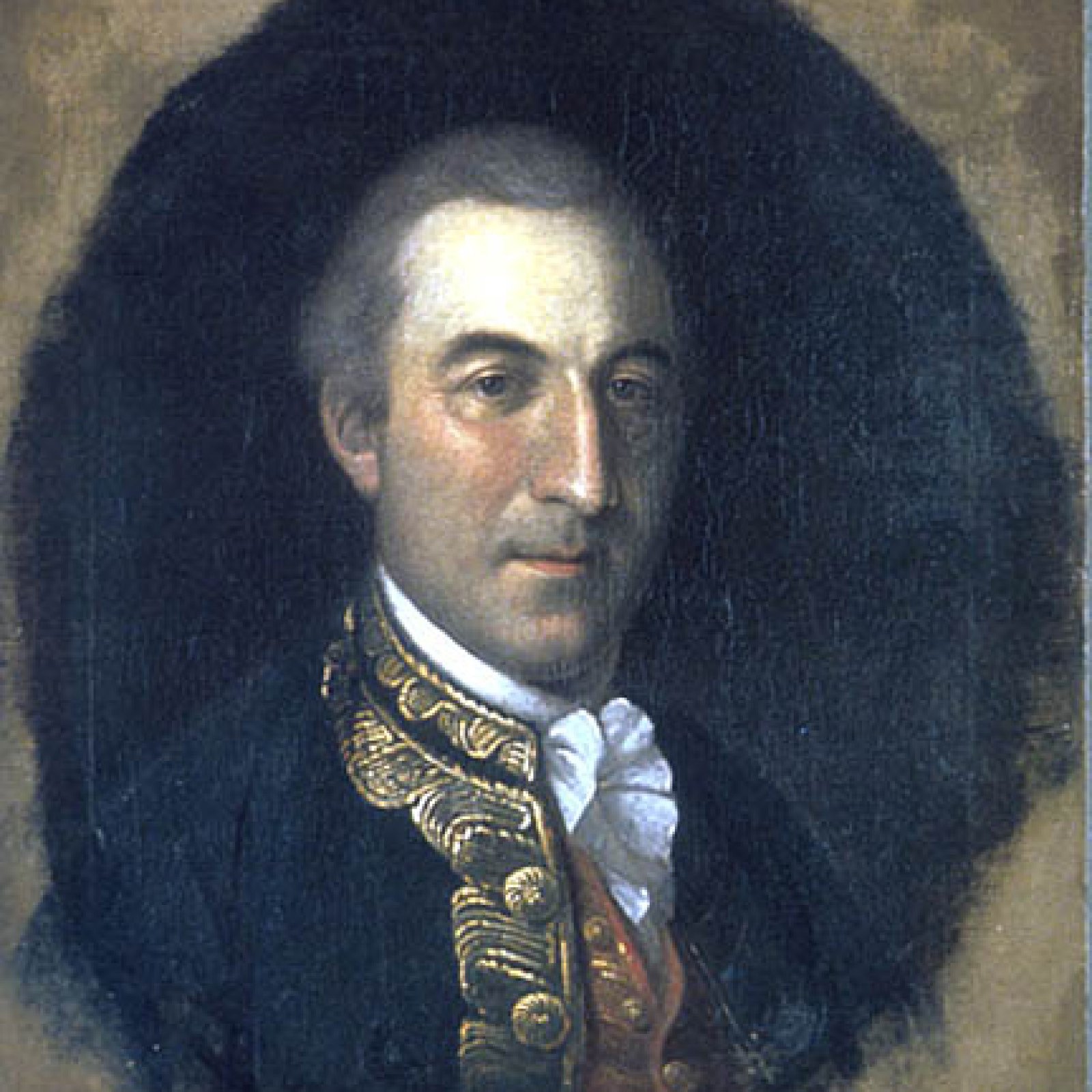
Marquis de Chastellux
The French nobleman and military leader traveled through Virginia in 1782. He found Virginians to be hospitable, offering him a “not only a willing, but a liberal reception.”[22] Image: Courtesy of Independence National Historic Park
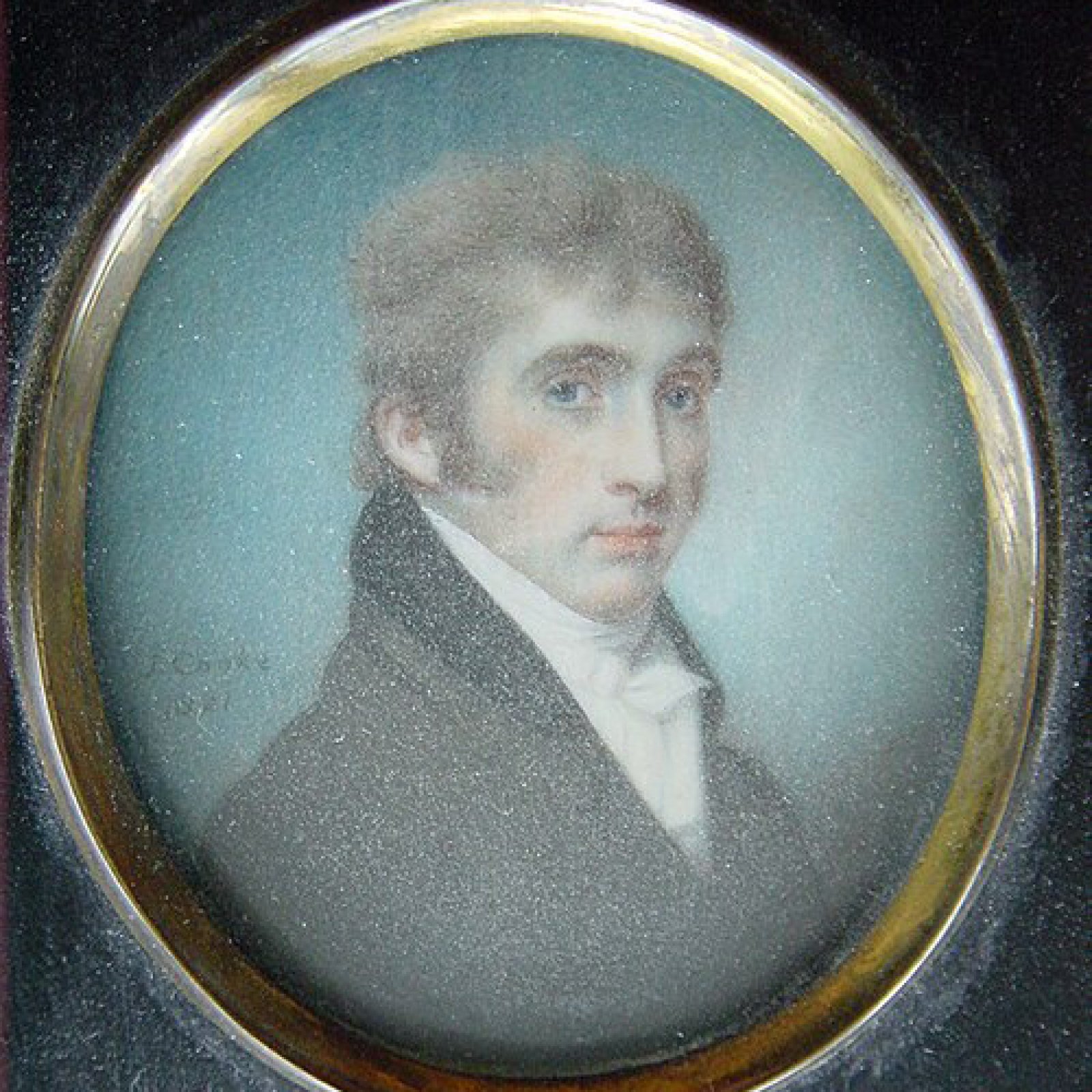
Isaac Weld
Weld traveled through the young United States in the 1790s during political turbulence in his native Ireland. He hoped to decide to which of the American states he might move “in case of future emergency.”[23]
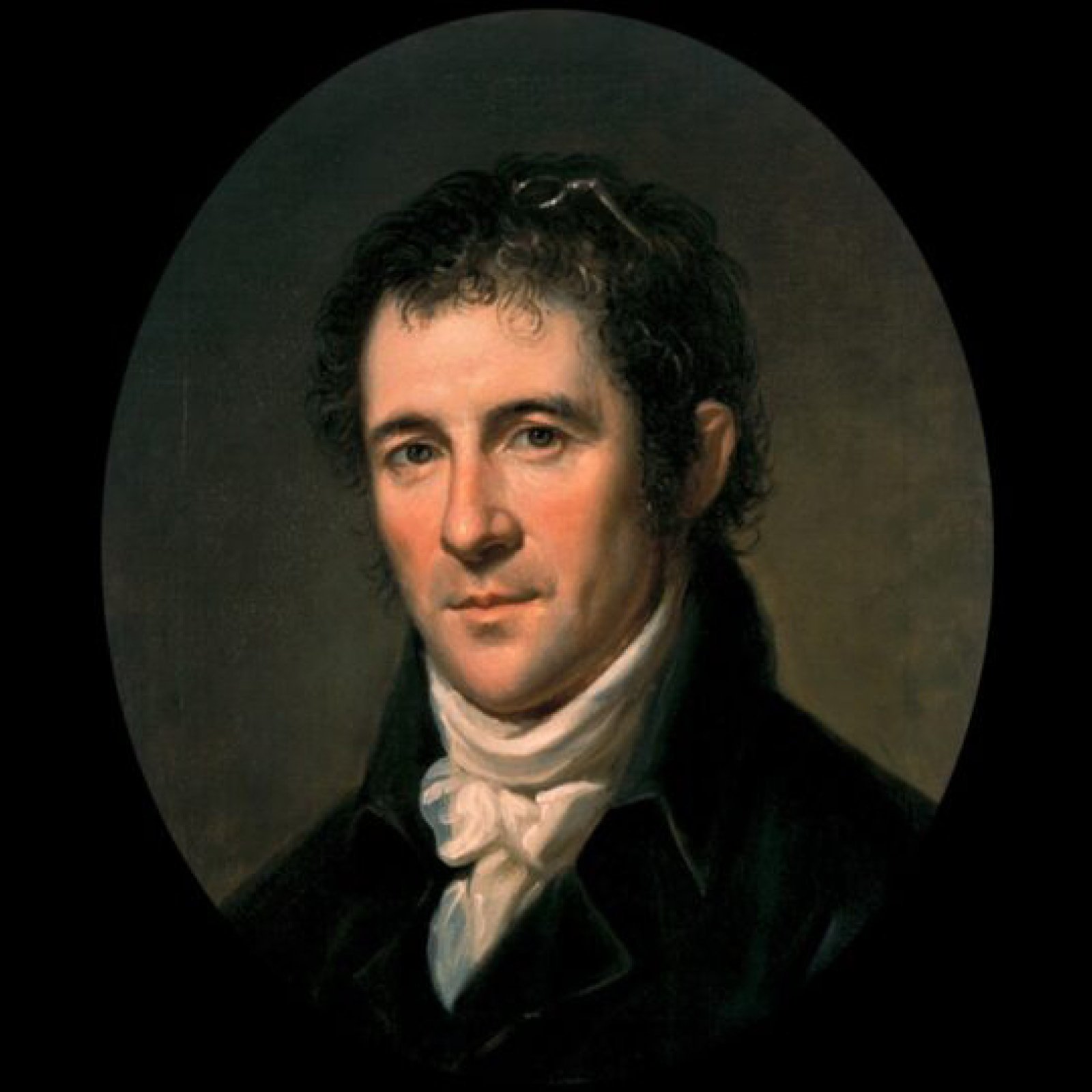
Benjamin Henry Latrobe
An architect, Latrobe noted Virginians’ habit of building a series of outbuildings around their main home, which reminded him of a “litter of pigs” following “their mother.”[24]
Women and Men
Travelers often remarked on the behaviors and relationships of Virginia’s men and women. Virginia’s culture shocked some. The Marquis de Chastellux was surprised to see the “extreme liberty that prevails” between unmarried men and women in Virginia. Among the “middling classes and common people,” Chastellux continued, even premarital sex was normal. With “few restraints,” he noted, the people “lose no time on completing the great object, the population of the country.”25
Travelers often commented on the dances held among the men and women of the Virginia gentry. Young members of the colony’s elite sometimes traveled to Williamsburg for formal balls.26 Andrew Burnaby wrote that Virginians were “immoderately fond of dancing, and indeed it is almost the only amusement they partake of.” But he was not impressed by their moves, dismissing them as lacking “taste and elegance.”27
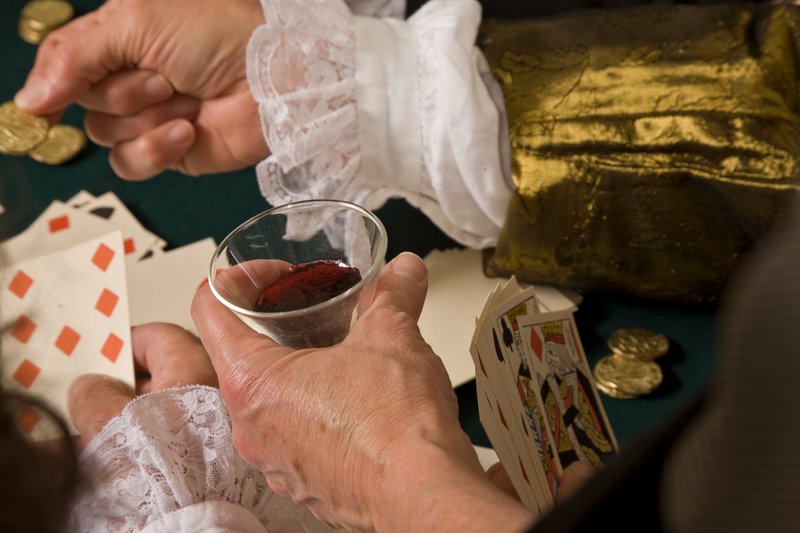
While men and women danced together, much of their entertainment happened separately. Men spent much of their time gambling and drinking in taverns. Hazard remarked that “Gaming is amazingly prevalent in W[illia]msburg.” He noted that even members of the House of Burgesses, which had outlawed gambling, were “much addicted” to the pastime.28 Other entertainments for men included horse racing, cock fighting, and boxing.29 In contrast, travelers noted gentler amusements for Virginia’s women, such as reading and socializing. Chastellux recalled being treated to a concert of singing and harpsichord music by the daughters of a wealthy Virginia family.30
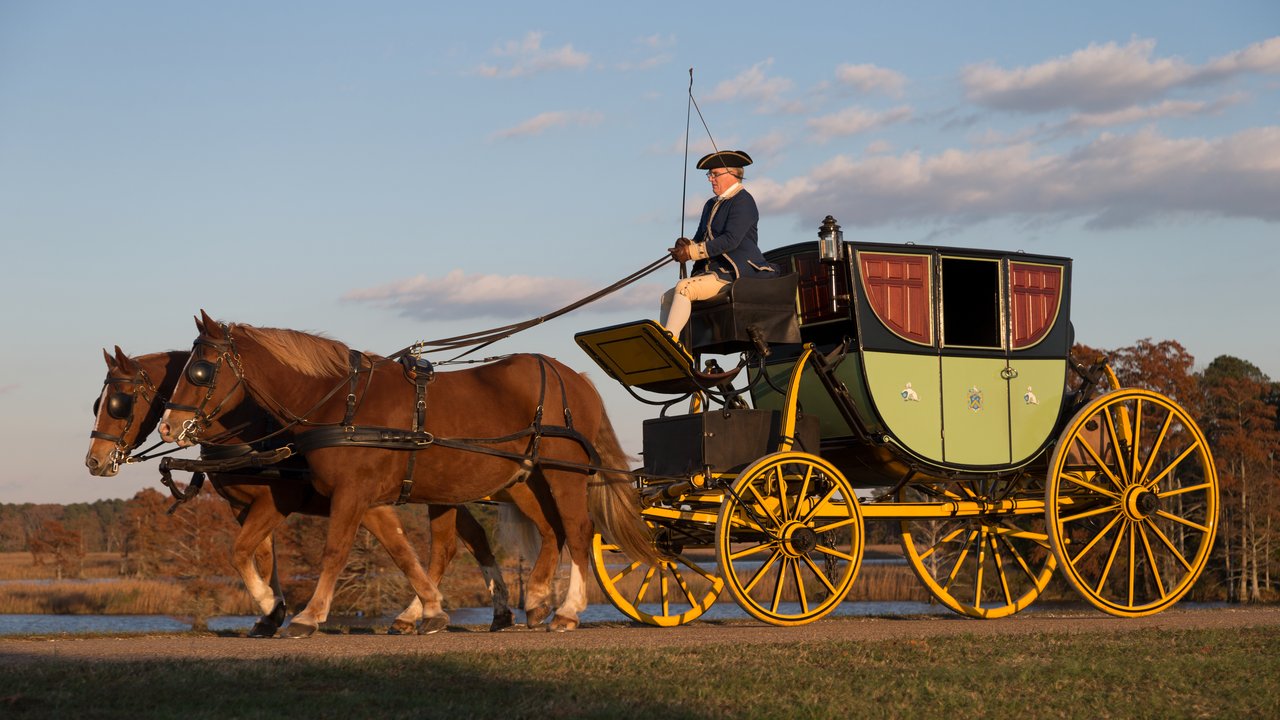
What Was Travel Like in Colonial America?
Learn more about everyday travel in Colonial America, and how travelers navigated transportation, roads, accommodation and more.
Sources
- Ebenezer Hazard, “The Journal of Ebenezer Hazard in Virginia, 1777,” ed. Fred Shelley, Virginia Magazine of History and Biography 62 (Oct. 1954): 401.
- The Travel Diary of Elizabeth House Trist: Philadelphia to Natchez, 1783–84,” ed. Annette Kolodny, in Journeys in New Worlds: Early American Women’s Narratives, gen. ed. William L. Andrews (University of Wisconsin Press, 1990), 186–87.
- Nicholas Cresswell, The Journal of Nicholas Cresswell, 1774–1777 (Dial Press, 1924), 2, 194–95.
- Elizabeth J. Clapp, “‘I Intend Keeping a Particular Journal’: Women’s Education, Travel, and the Sublime in the Early Republic,” Early American Studies 23 (Summer 2025), 275.
- Cresswell, Journal of Nicholas Cresswell, 207.
- New Travels Through North-America: In a Series of Letters… (Boston: E.E. Powars and N. Willis, 1784), 46–47.
- “Journal of a French Traveller in the Colonies, 1765, I.” American Historical Review 26 (July 1921), 742–43.
- Edward Kimber, “Itinerant Observations in America,” (originally published in London Magazine, 1745–46), in Collections of the Georgia Historical Society, vol. 4 (Morning News Steam Printing House, 1878), 61, link.
- Hugh Jones, The Present State of Virginia (London: J. Clarke, 1724; New York: Joseph Sabin, 1865), 31–32.
- Philip D. Morgan, Slave Counterpoint: Black Culture in the Eighteenth-Century Chesapeake and Lowcountry (University of North Carolina Press for Institute of Early American History and Culture, 1998), 396.
- “Journal of a French Traveller in the Colonies, 1765,” 745.
- Cresswell, Journal of Nicholas Cresswell, 39.
- Hazard, “Journal of Ebenezer Hazard in Virginia,” 410.
- Marquis de Chastellux, Travels in North America, in the Years 1780–81–82 (New York: White, Gallaher, & White, 1827), 1:245n1.
- Cresswell, Journal of Nicholas Cresswell, 268 (quote); Jones, Present State of Virginia, 48.
- Isaac Weld, Travels through the States of North America, and the Provinces of Upper and Lower Canada, during the Years 1795, 1796, and 1797, vol. 1 (London: J. Stockdale, 1800), 146.
- William Hugh Grove, “Virginia in 1732: The Travel Journal of William Hugh Grove,” ed. Gregory A. Stiverson and Patrick H. Butler, III, Virginia Magazine of History and Biography 85 (Jan. 1977): 32.
- Cresswell, Journal of Nicholas Cresswell, 17–18.
- Cresswell, Journal of Nicholas Cresswell, 44.
- Hazard, “The Journal of Ebenezer Hazard in Virginia, 1777.”
- New Travels Through North-America: In a Series of Letters… (Boston: E.E. Powars and N. Willis, 1784), 46.
- Marquis de Chastellux, Travels in North America, in the Years 1780–81–82 (New York: White, Gallaher, & White, 1827), 296.
- Isaac Weld, Travels through the States of North America, 1:iii.
- Benjamin Henry Latrobe, The Journal of Latrobe: Being the Notes and Sketches of an Architect, Naturalist and Traveler in the United States from 1796 to 1820 (D. Appleton and Company, 1905), 23.
- Chastellux, Travels in North America, 1:79.
- Chastellux, Travels in North America, 2:23.
- Andrew Burnaby, Travels through the Middle Settlements in North-America: In the Years 1759 and 1760 (London: T. Payne, 1775), 36.
- Hazard, “Journal of Ebenezer Hazard in Virginia,” 423 (quotes), 414.
- Jones, Present State of Virginia, 48; Chastellux, Travels in North America, 2:192.
- Chastellux, Travels in North America, 1:274.