Revolutionary Documents
The United States is one of the first nations in the world with a rich, well-preserved record of its birth. The success of the American Revolution’s experiment in republican government has meant the creation and preservation of countless documents, expressing the debates, ideas, and laws that circulated through revolutionary America.
What can these documents tell us about the birth of America? And what can the ideas they contain tell us about the future of the American republic?

Imperial Crisis Documents
The early stages of the American Revolution, often known as the “imperial crisis,” saw many documents protesting British policies, and organizing resistance to them.

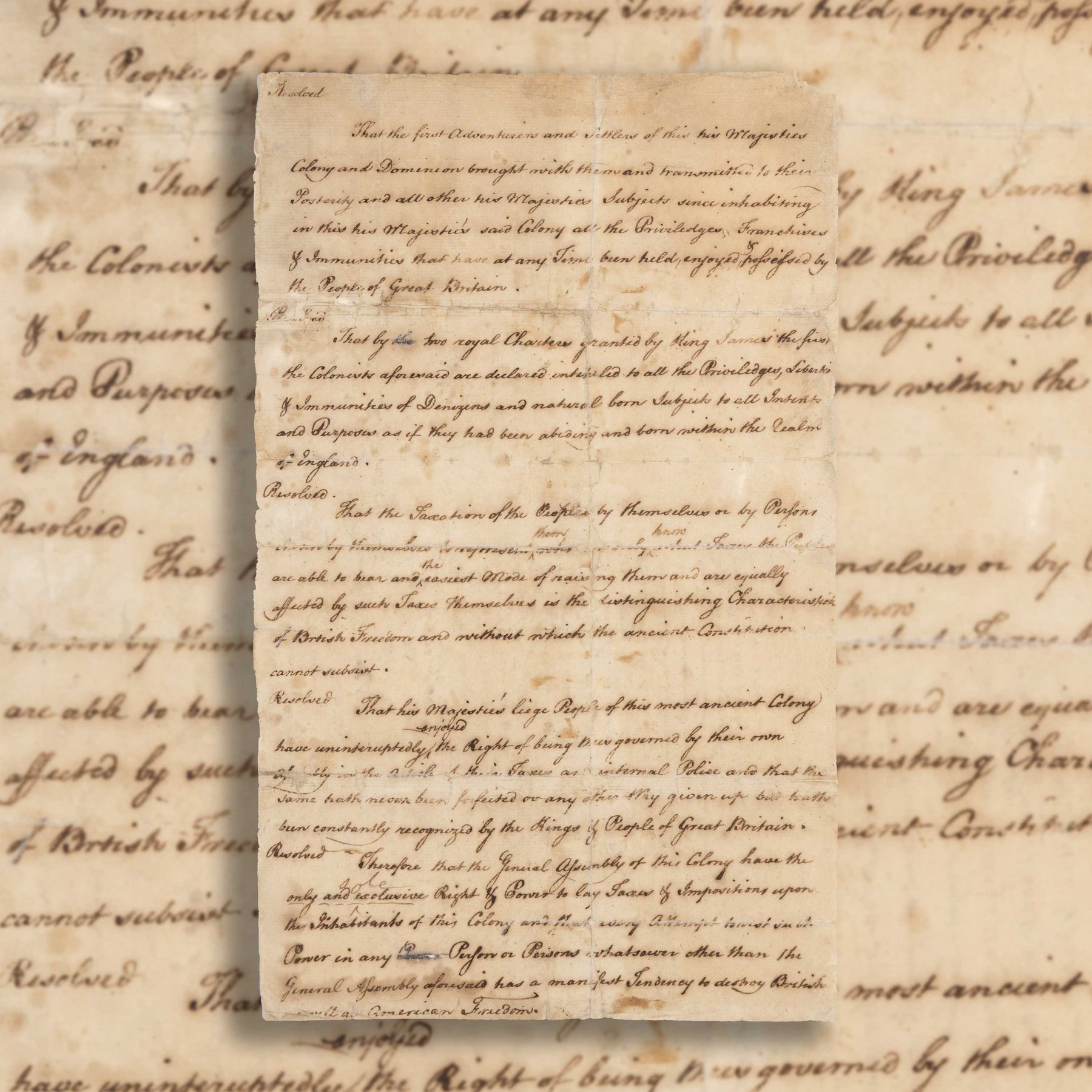
Virginia Resolves
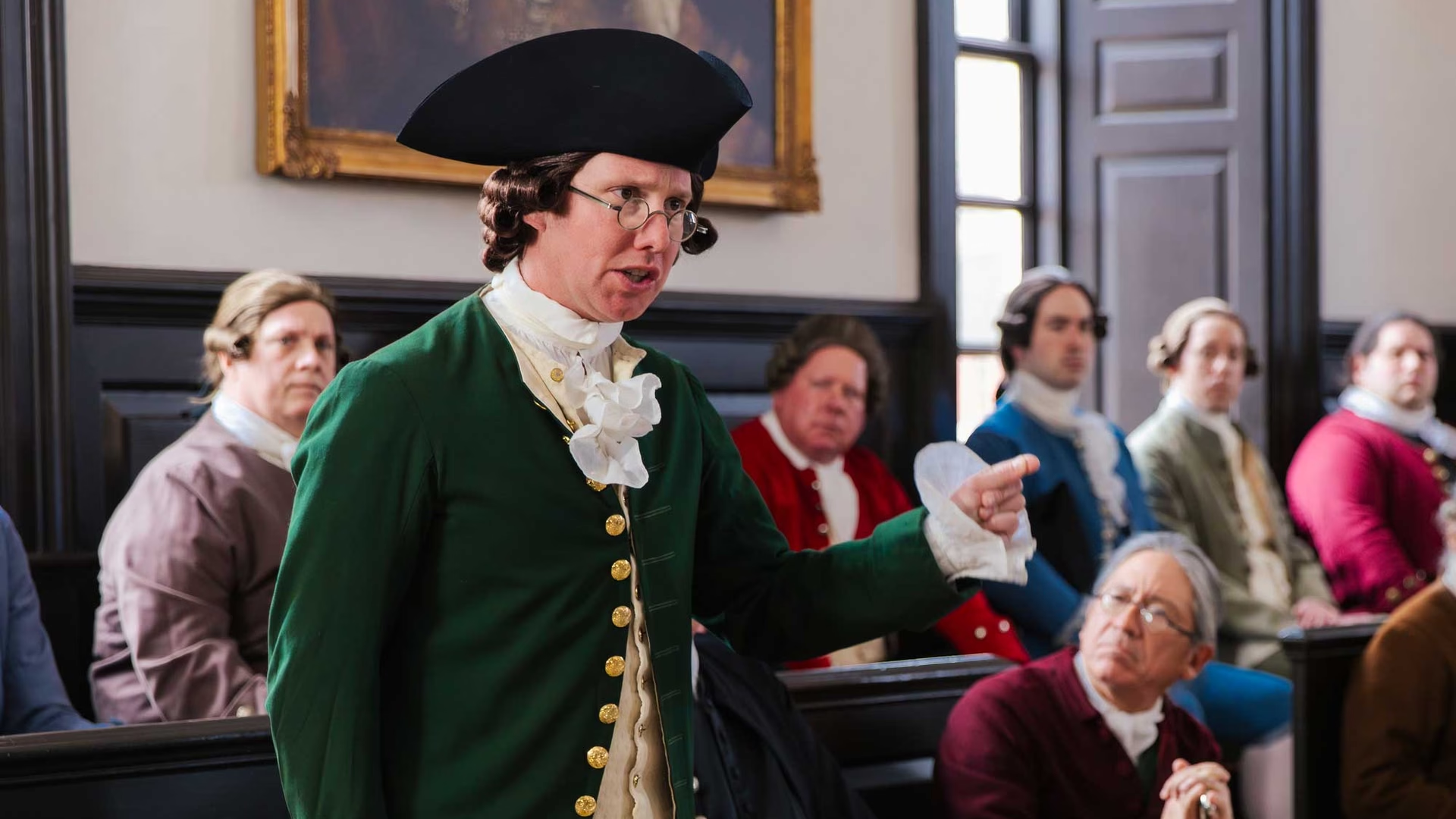
The Stamp Act, an early British tax, infuriated colonists in 1765. Patrick Henry gave a fiery speech denouncing the legislation at the Williamsburg Capitol, and introduced these resolutions, which helped rally resistance to the tax throughout the colonies.
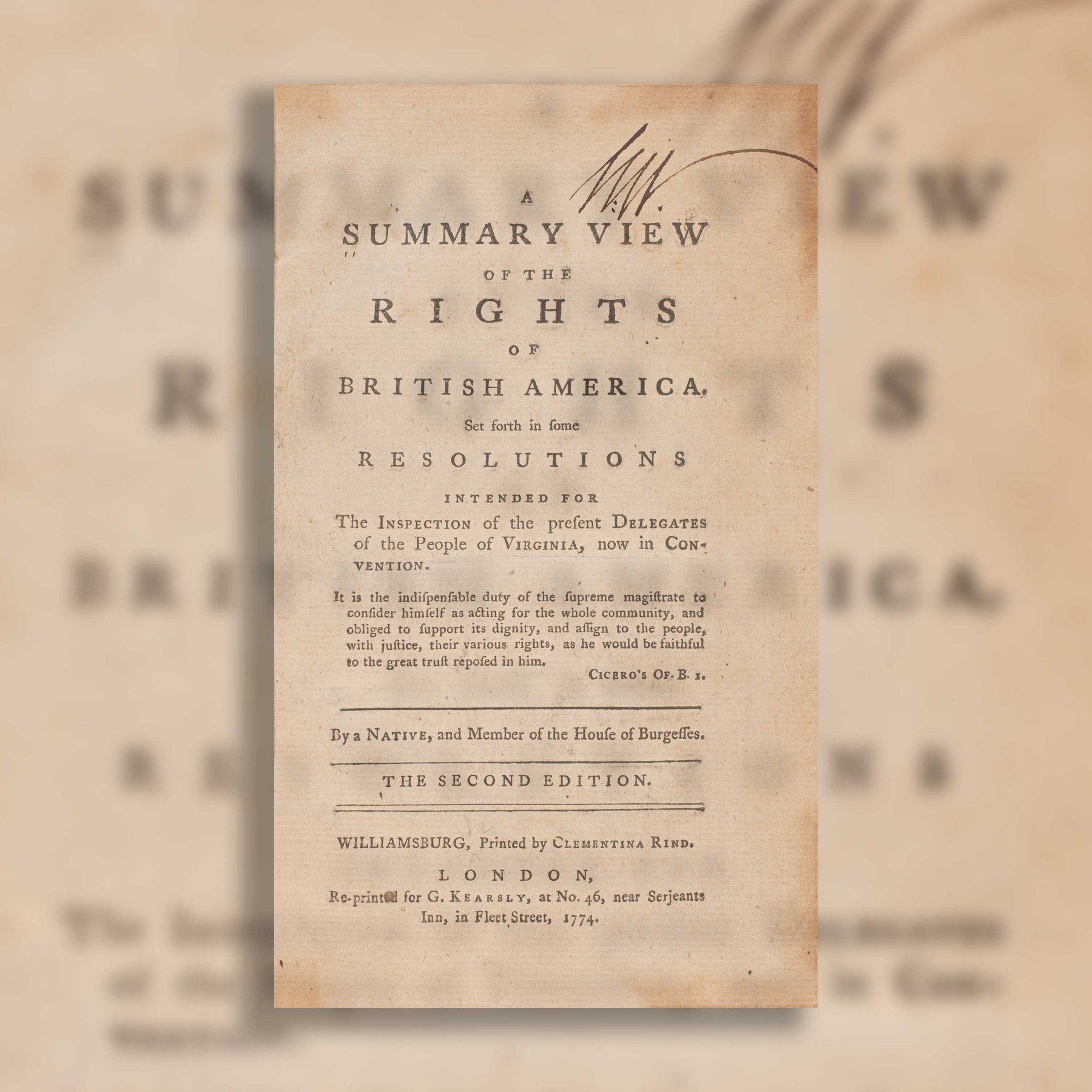
A Summary View (1774)
On the way to Virginia’s revolutionary convention in 1774, young Thomas Jefferson fell ill. He sent his notes ahead, which Clementina Rind published in Williamsburg as A Summary View of the Rights of British America. It was a radical statement of colonial rights, and an indictment of King George III.
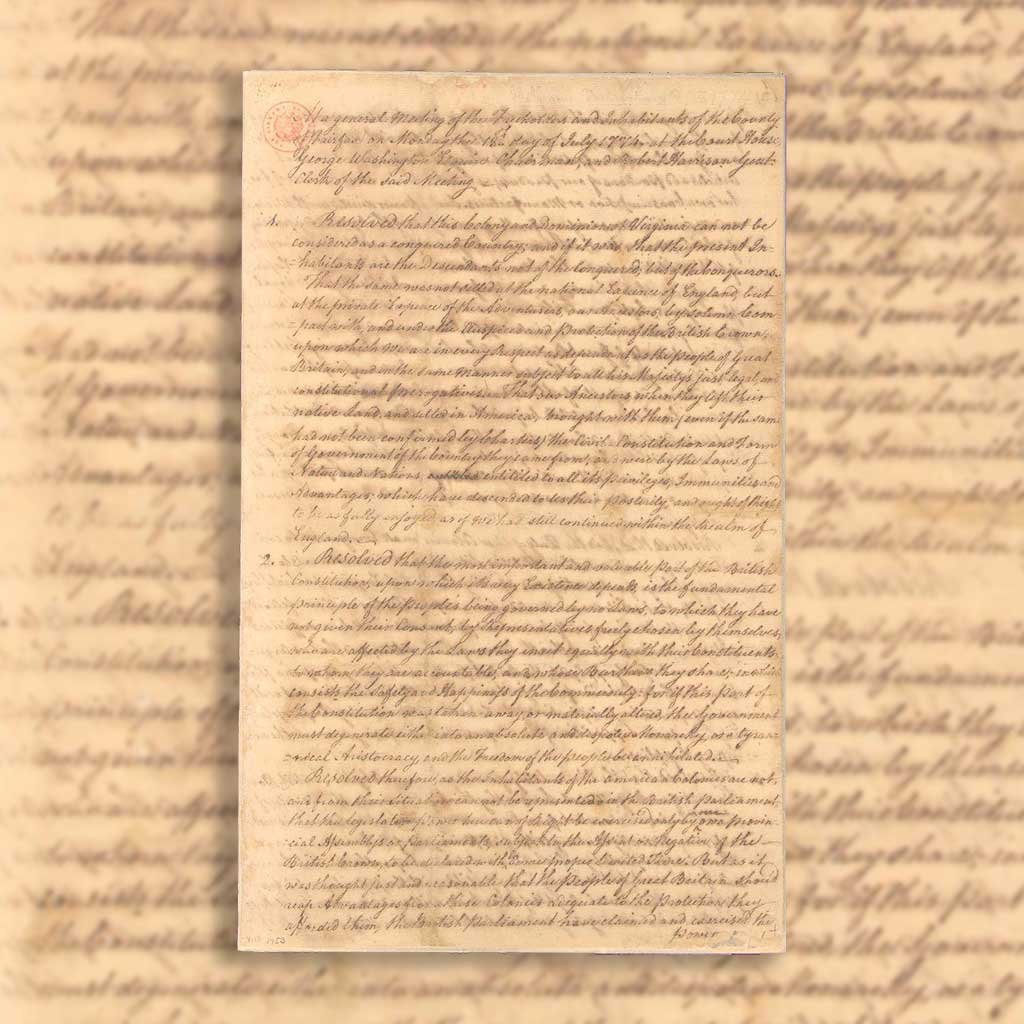
Fairfax Resolves (1774)
During the Tea Crisis, a conflict over trade and taxes between the colonies and Parliament, George Mason and George Washington wrote these resolutions for the people of Fairfax County, Virginia. They offered a plan for an economic boycott, later to become the Continental Association. Image: Library of Congress.
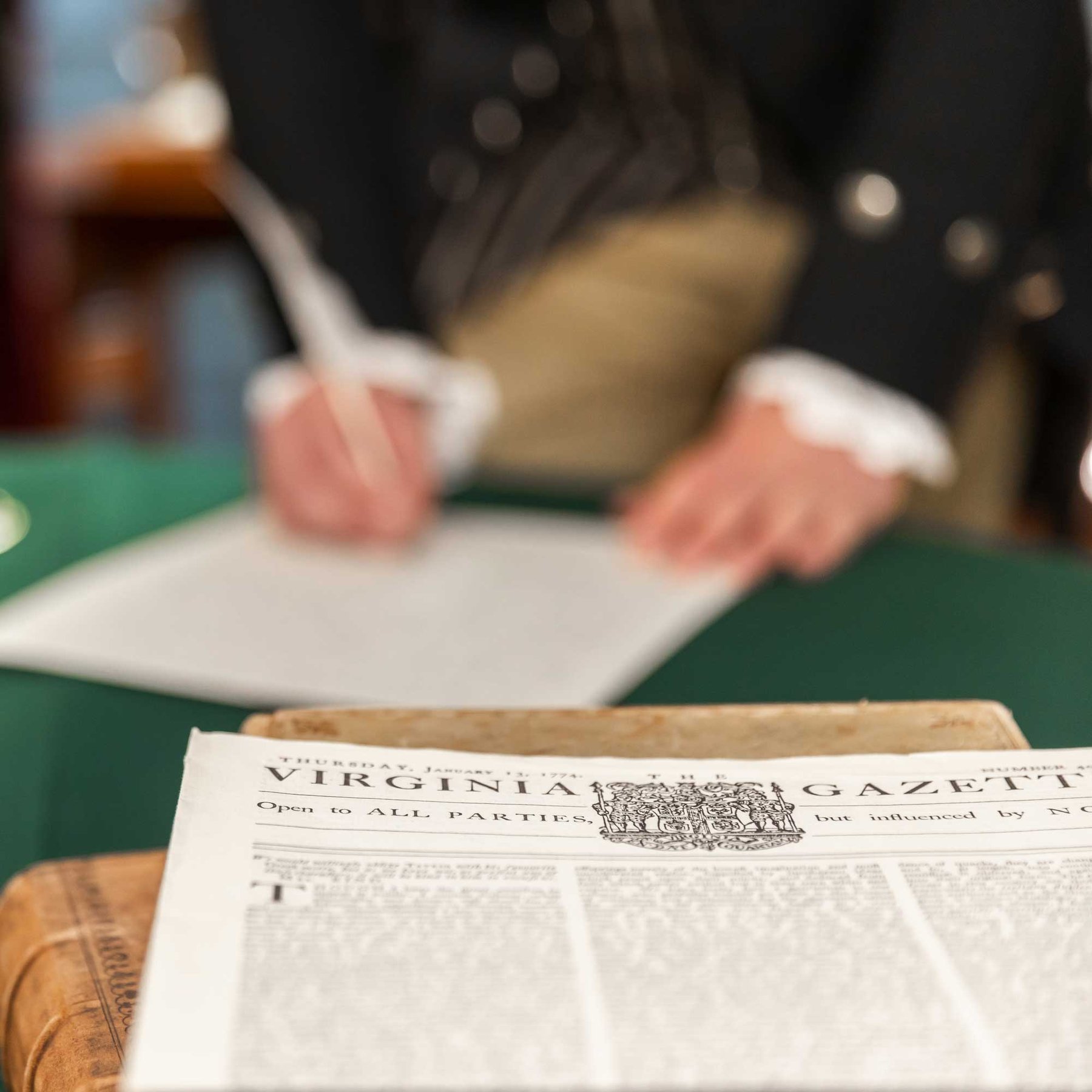
Virginia Association (1774)
Based partly on the Fairfax Resolves, the first revolutionary convention meeting in Williamsburg adopted an agreement to gradually withdraw from the British economy, to pressure Parliament into making concessions.
Printing a Revolution
Explore the Print Shop

How did printing work in the eighteenth century? How were these documents typeset, published, and shared?
Reading the Revolution
Pamphlets, newspapers, broadsides. Declarations, resolves, constitutions. Quills and ink and the churn of the printing press. It’s hard to imagine the American Revolution without its documents. These documents offer not just the substance, but also the texture of revolution. What can they tell us about revolutionary America? And what can’t they tell us?
The documentary record of the American Revolution offers a rich account of the ideas and actions that revolutionaries took. They allow us to trace their intellectual inheritances from antiquity to the Renaissance to the English Civil War to the Enlightenment. They help Americans understand the institutions and structures of government they have inherited. They help future generations understand not only what America’s founding generation agreed on, but also where they disagreed. They testify that democracy is messy and difficult and imperfect, but necessary.
Williamsburg’s Virginia Gazettes
The Virginia Gazettes, published in Williamsburg, are full of unexpected stories. They include many political essays containing and discussing revolutionary ideas.
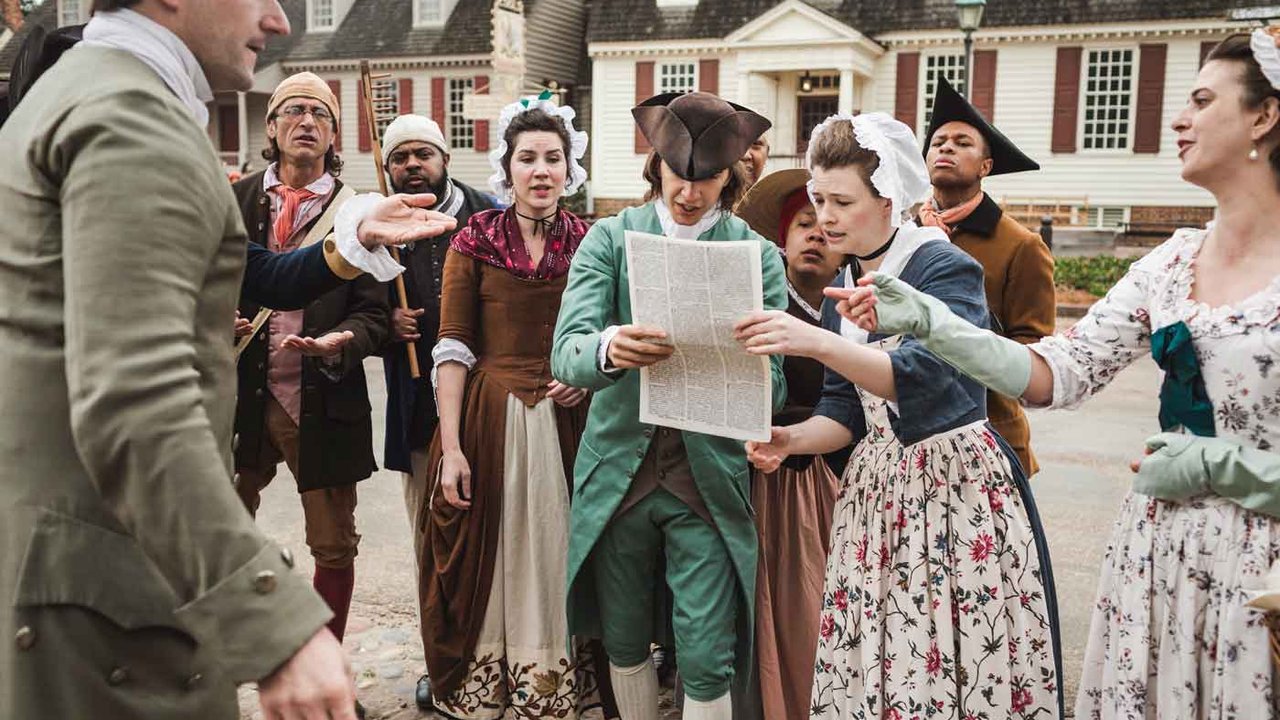

Independence in Documents
Virginia was a leading voice in the independence movement. Its peoples’ growing support for independence can be traced through these documents. Scroll to learn more.

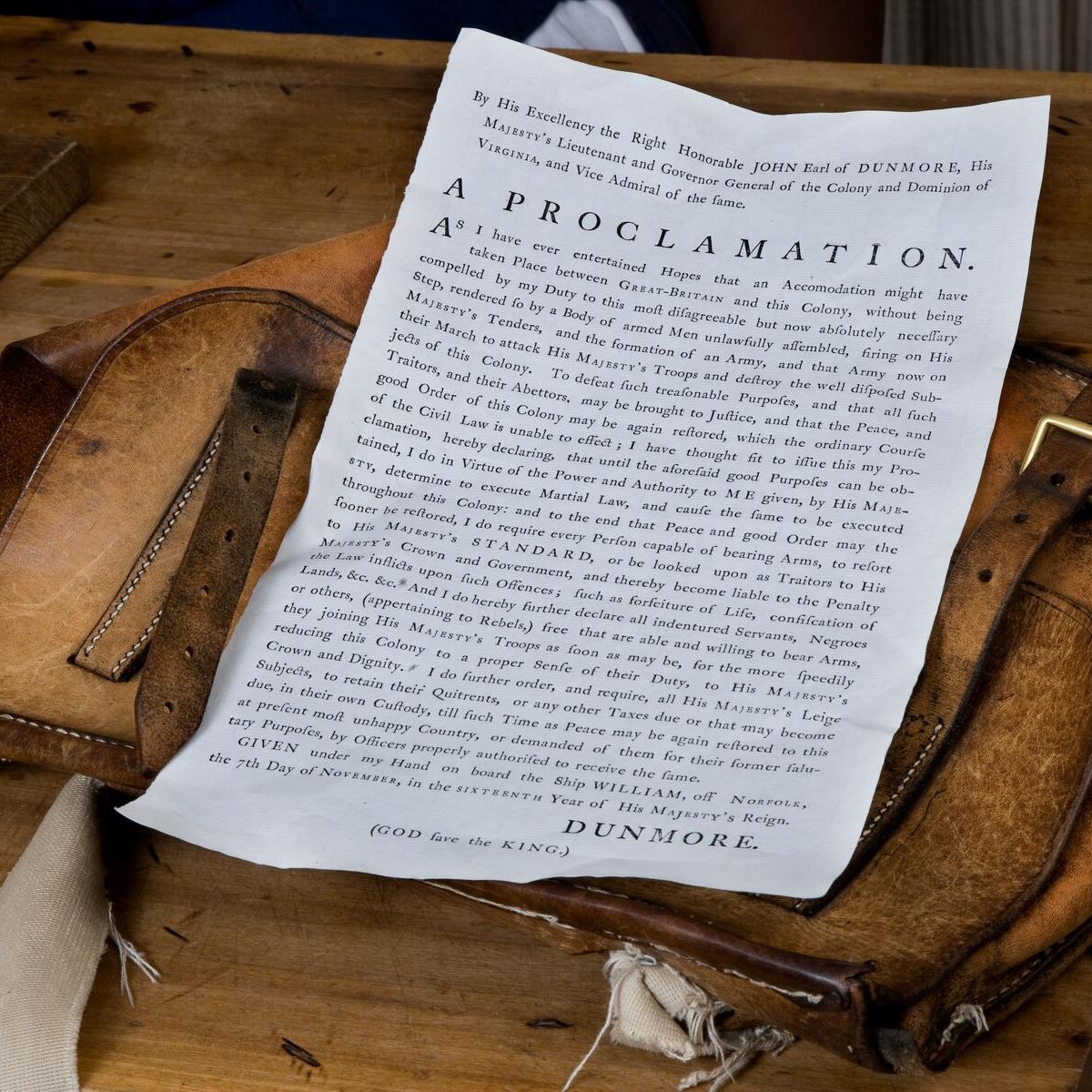
Dunmore’s Proclamation (1775)
A proclamation by Virginia Governor Lord Dunmore in late 1775 pushed elite Virginia enslavers toward independence. Dunmore offered freedom to any “indented Servants, Negroes, or others (appertaining to Rebels)” who would join the British forces.
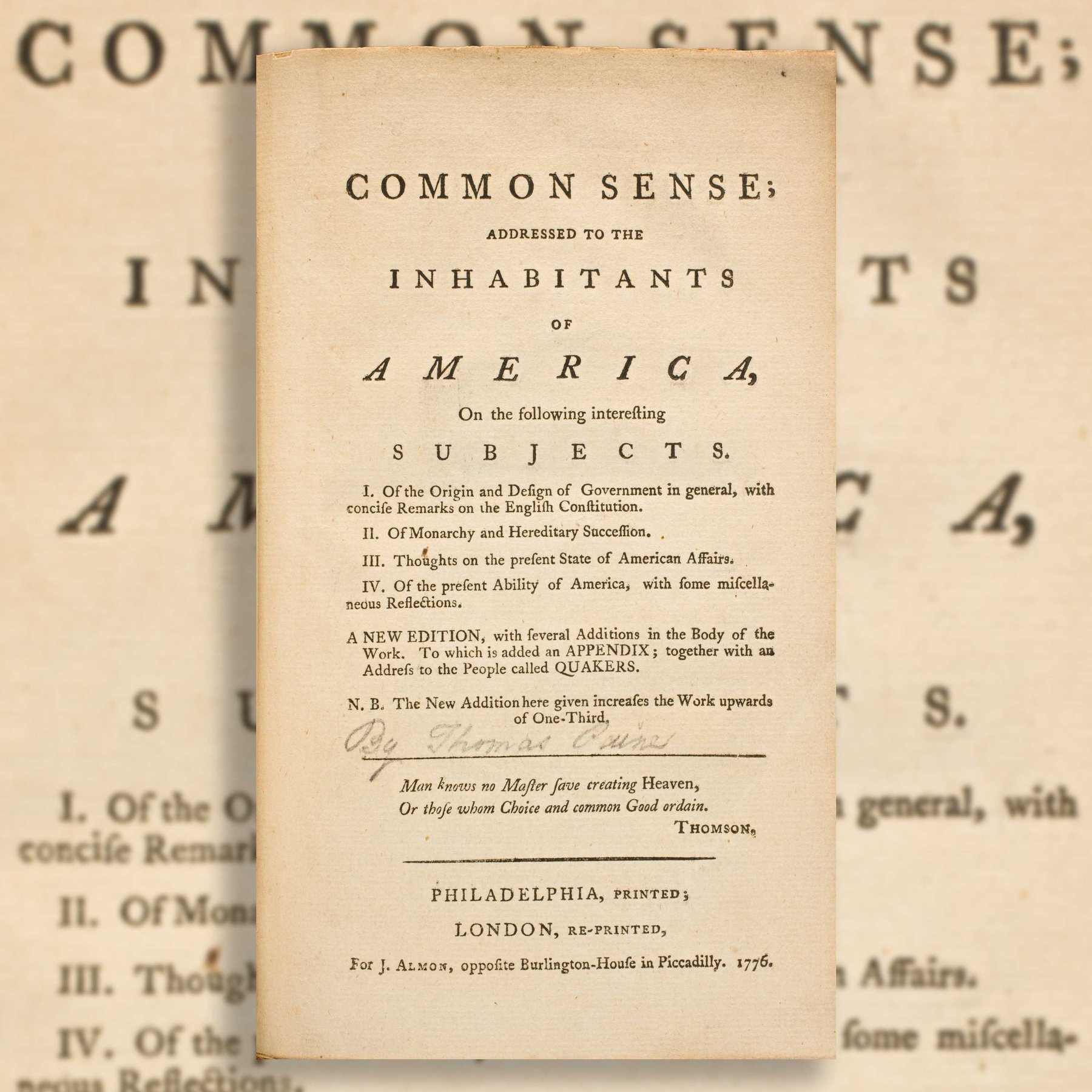
Common Sense (1776)
Published in January 1776, Thomas Paine’s Common Sense galvanized American colonists’ support for independence. In Virginia, according to George Washington, the pamphlet caused “a powerful change there in the Minds of many Men.”

May 15 Resolution (1776)
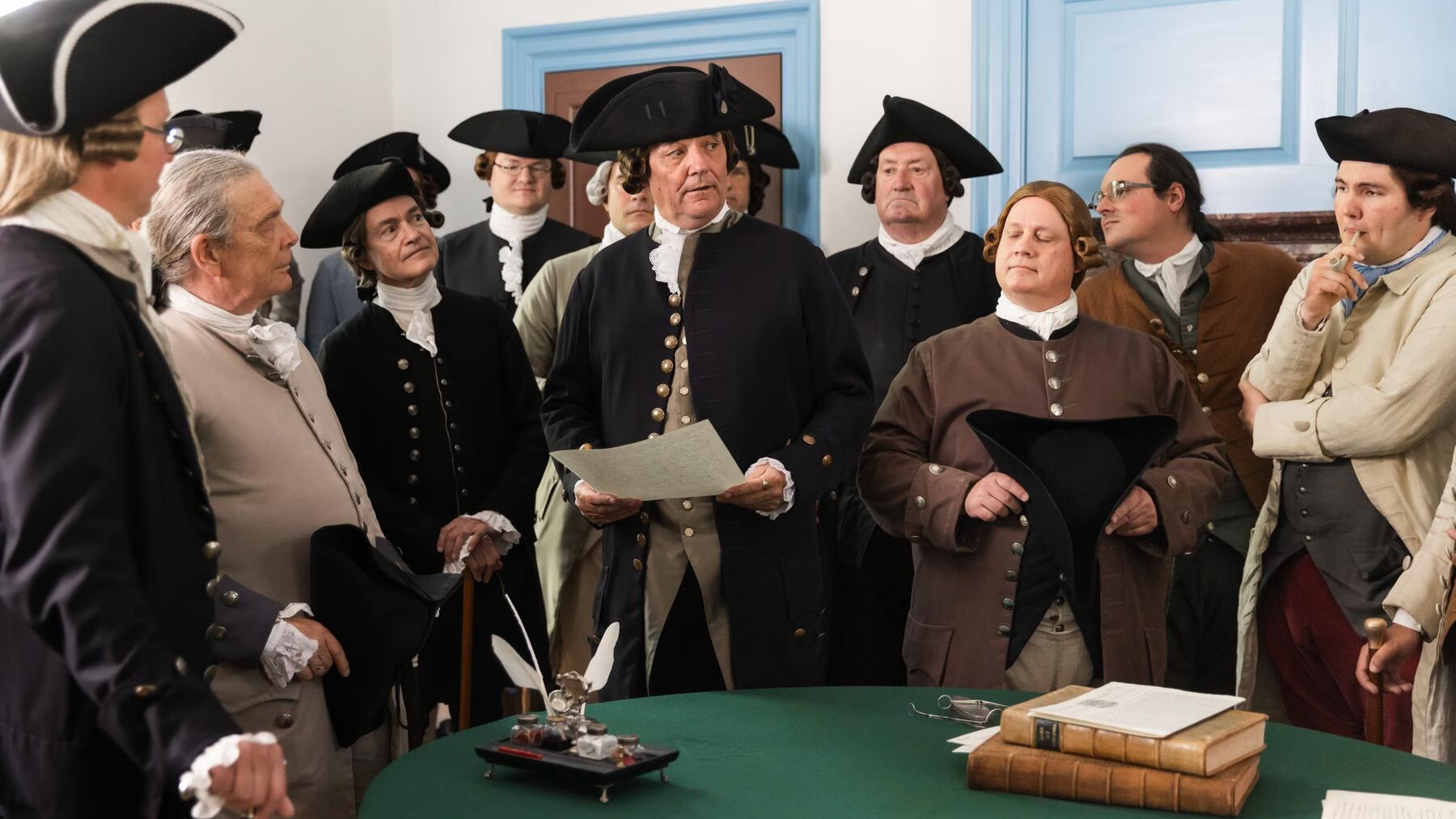
On May 15, 1776, Virginia’s revolutionary convention in Williamsburg boldly called for independence. Delegates passed resolutions instructing its representatives at the Continental Congress to propose independence. They also called for the creation of a new constitution and declaration of rights for Virginia.
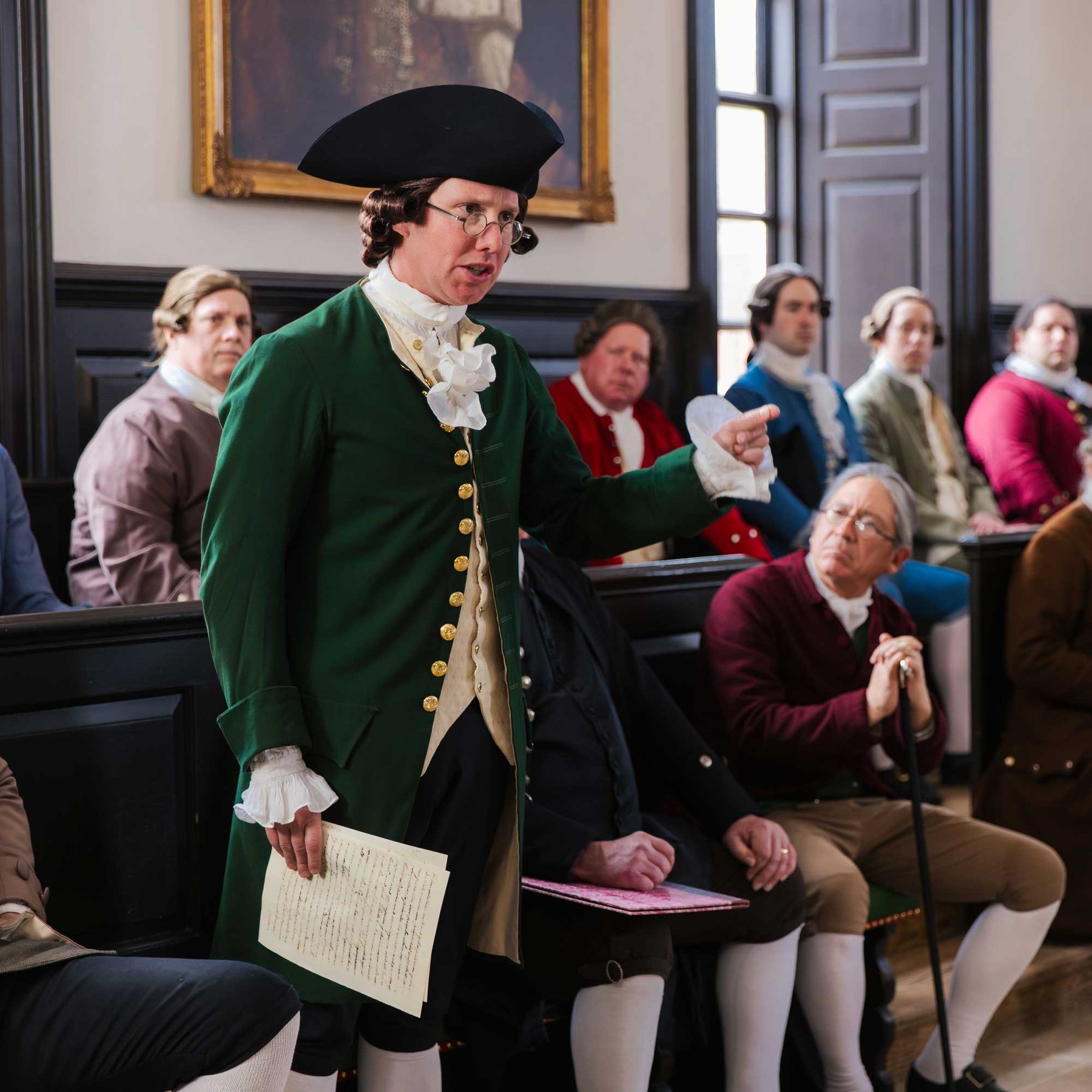
Virginia Constitution (1776)
An independent Virginia would need a new government. Its new Constitution, adopted on June 29, 1776, left much unchanged from the colonial system of government. The most important difference was a stronger legislature—a decision with powerful implications in future years.
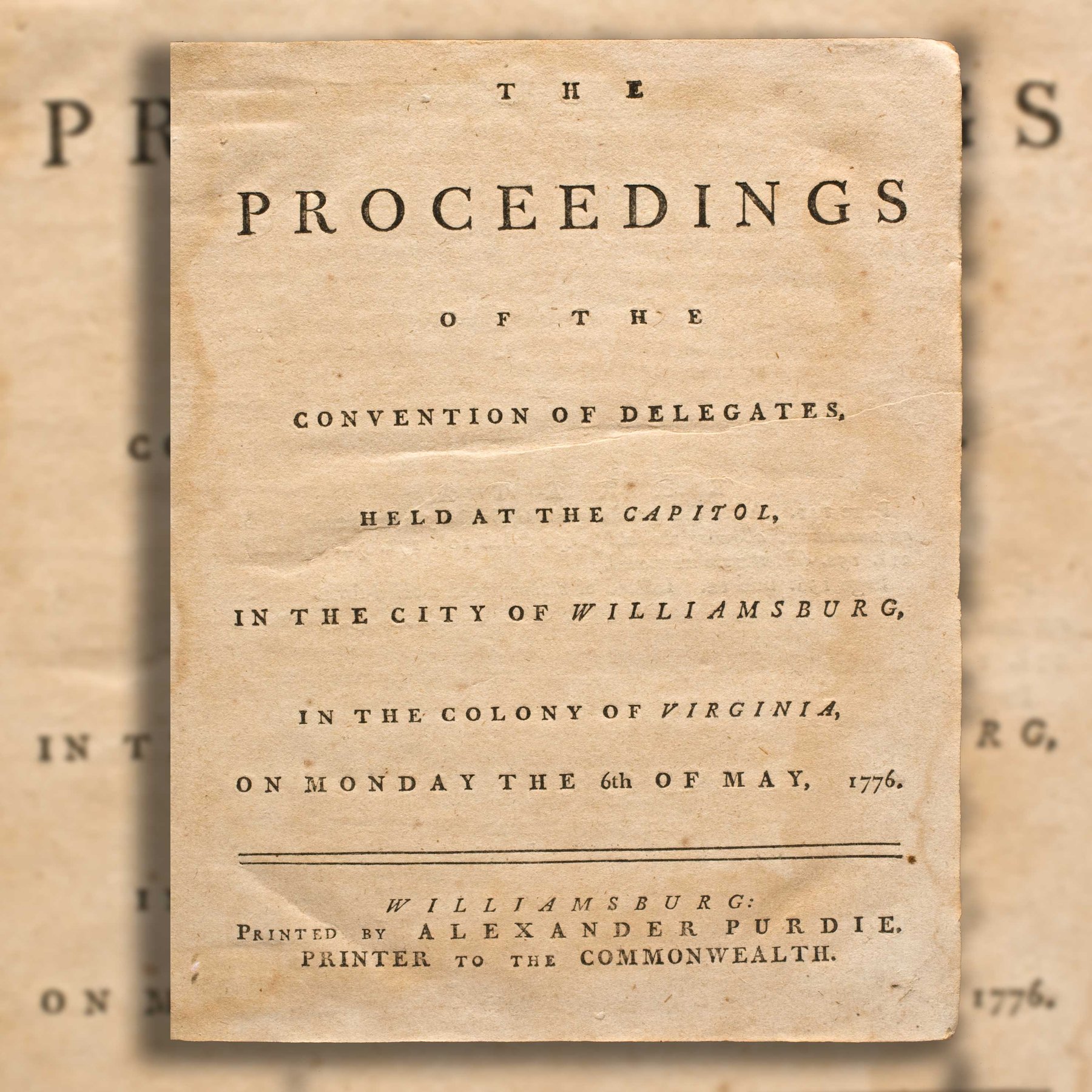
Declaration of Rights (1776)
George Mason’s Virginia Declaration of Rights compiled the political sentiments of Virginia’s revolutionaries: their grievances of British misrule, their notions of human nature, and their aspirations for the future.
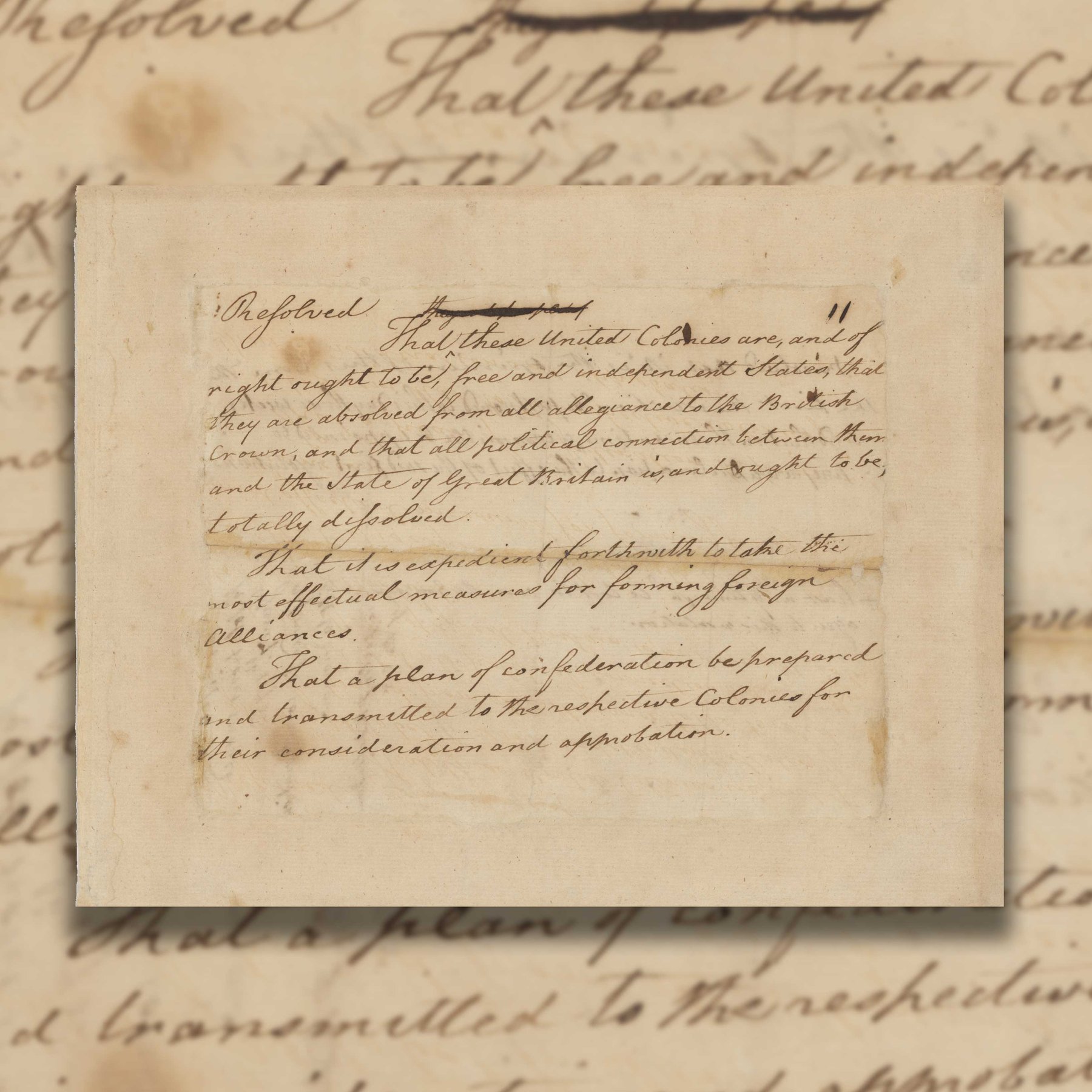
Lee Resolution (1776)
On instruction from the Williamsburg convention, Virginia delegate Richard Henry Lee proposed that the Continental Congress consider independence. It was a point of no return for the revolutionaries. Image: National Archives.
America’s revolutionary documents also omit a great deal of importance. They speak to the thoughts and aspirations of a small number of its inhabitants, primarily white men of property. They often avoid directly referencing slavery. The voices of enslaved people, women, and Native peoples can often be detected in documents like the Virginia Declaration of Rights and the American Declaration of Independence—but only if you know where to look. While women, people of color, and non-elites would have read and debated these documents, sources recording that engagement are limited.
Many of these documents originated in debates and conversations in Williamsburg. Others were written, passed as laws, or published in Williamsburg. Today, some are still printed in Colonial Williamsburg’s printing shop.
Black Americans and the American Revolution
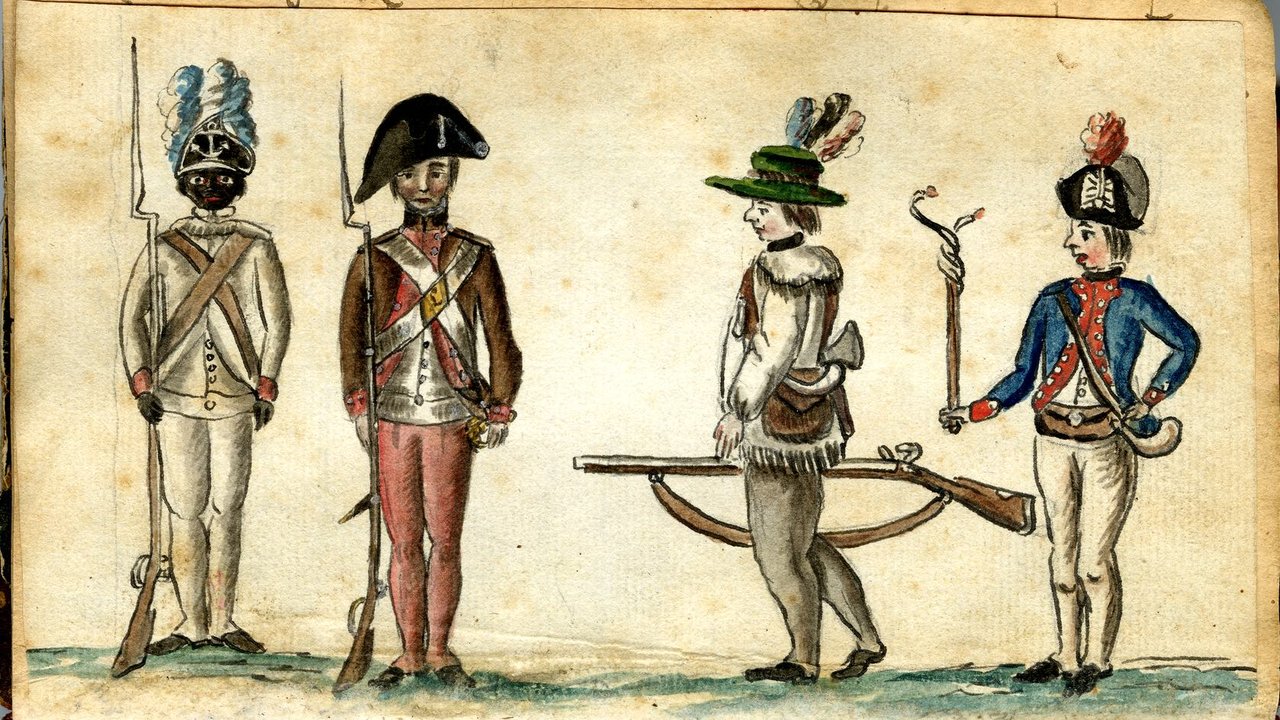
As witnesses to a unique time in history, Black Americans offered observations of the events around them. For some, this proved crucial in finding and fighting for freedom.
Ideas and Ideologies
The revolutionaries’ own words are one of our best guides for understanding why the American Revolution unfolded as it did. These documents usually present a high-minded battle of ideas. Written for a public audience, they often omit the tensions and self-interest driving them. For that reason, historical researchers examine diaries, letters, drafts, and other handwritten sources to better understand the context surrounding a document and its impact.
The documents generally express a coherent set of ideas about self-government. They embraced theories of natural rights and human equality that owed much to Enlightenment philosophers. They drew on political ideologies about republican government developed by writers in ancient Greece and Rome, Renaissance Italy, and Civil War-era England. Most agreed that people were born with natural rights, that the consent of the governed was the basis of government, and that a republican government would best function with a well-balanced constitution and separation of powers.
Revolutionary Ideas
What were the key principles driving the American Revolution? The revolutionaries’ words show some important common themes.


Revolutionary Ideas
What were the key principles driving the American Revolution? The revolutionaries’ words show some important common themes.

Natural Rights
The belief that everyone was born with rights that they could not lose, and governments should be organized to protect those rights.
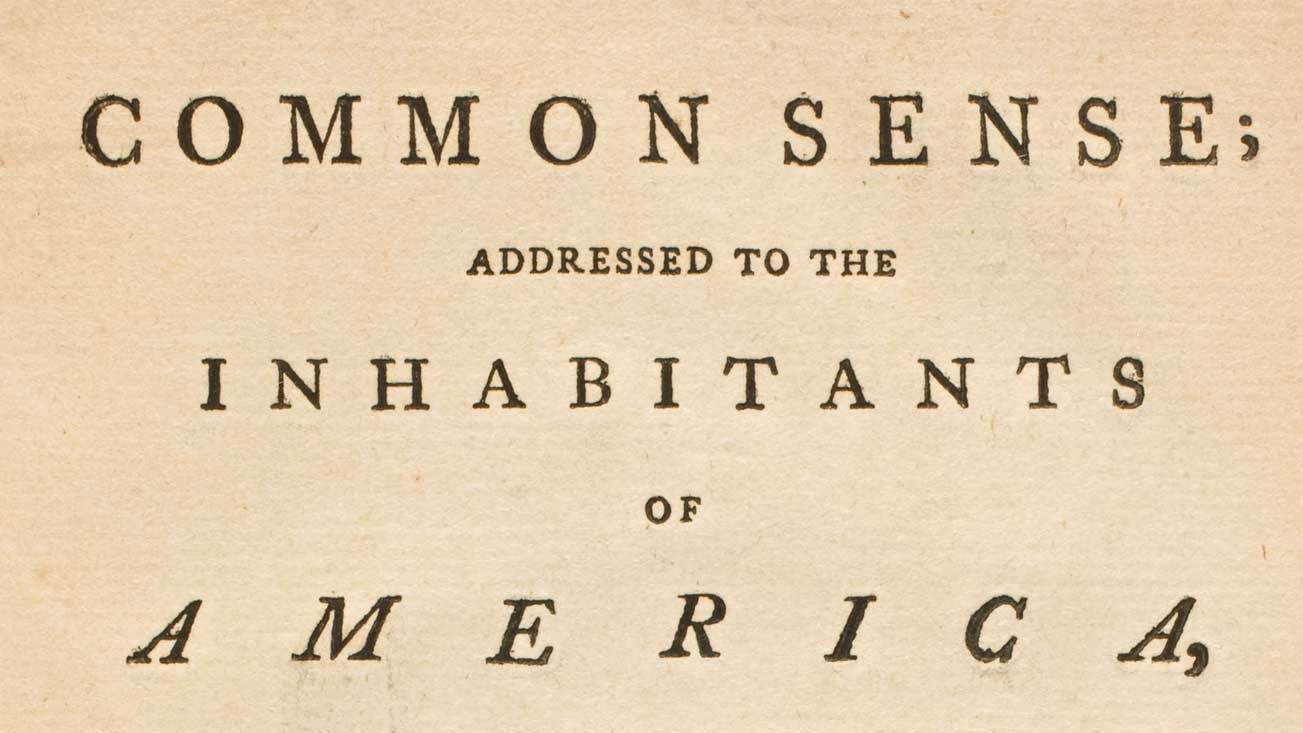
Common Sense
Thomas Paine wrote in Common Sense that while “the king is law” in absolute governments, “in America the law is king.”

Declaration of Rights
“That all men are by nature equally free and independent, and have certain inherent rights…”
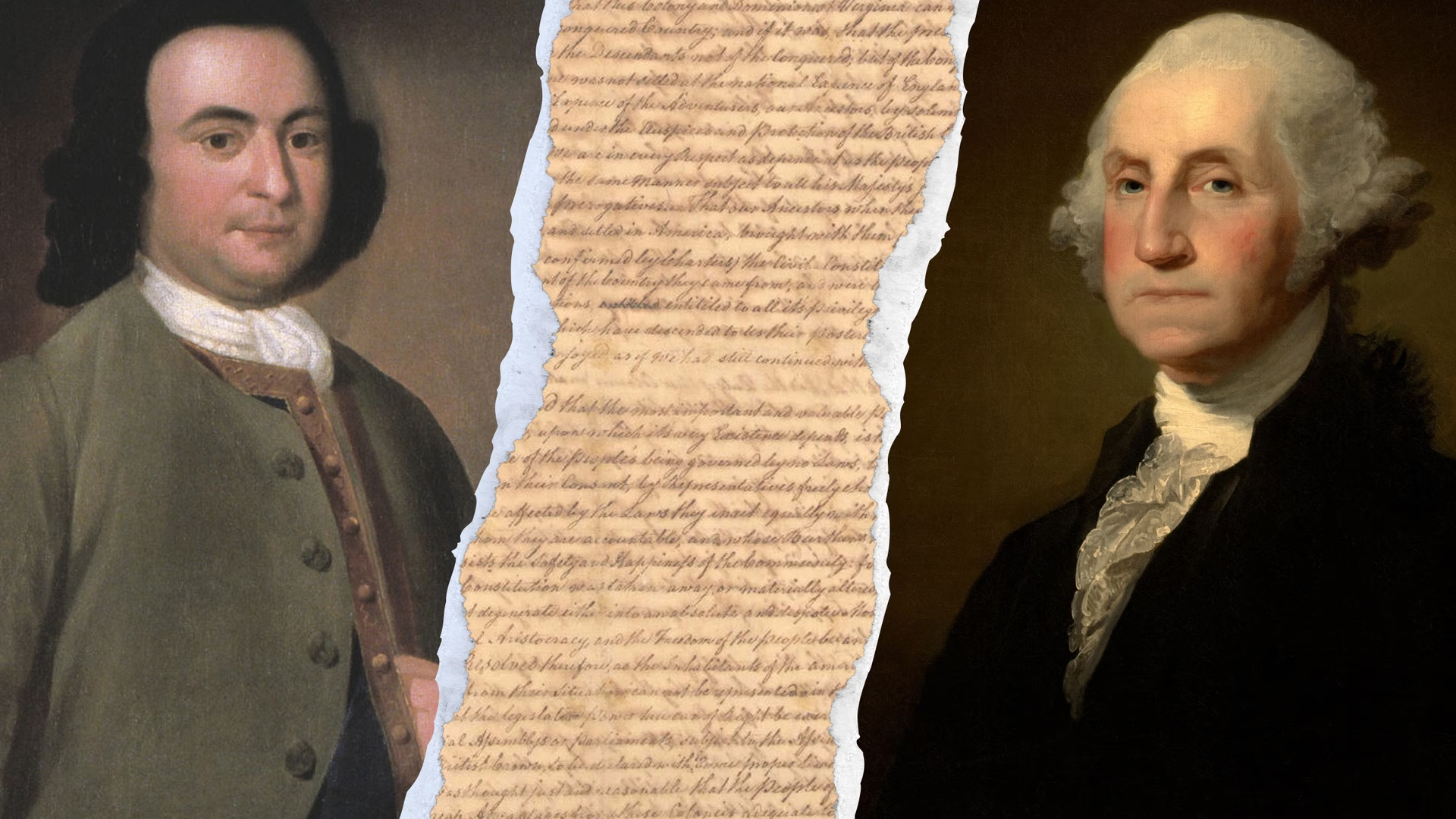
Fairfax Resolves
Parliamentary misrule was “totally incompatible with the Privileges of a free People, and the natural Rights of Mankind.”

Consent of the Governed
The belief that a government’s legitimacy rests on the people’s voluntary agreement to be ruled.
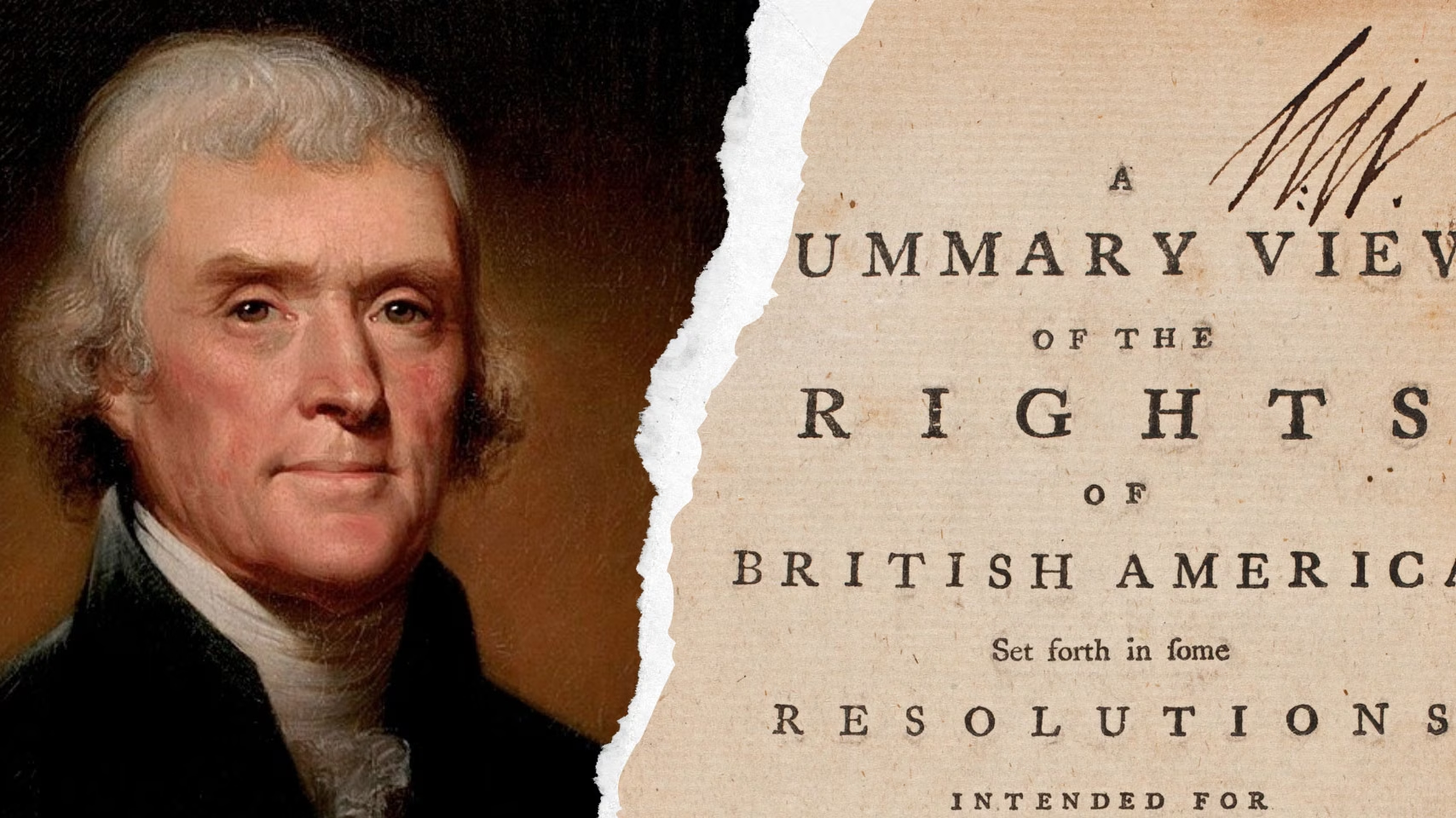
A Summary View
Jefferson’s 1774 pamphlet insisted that British colonists never consented to Parliamentary rule.
Declaration of Rights
In the Virginia Declaration of Rights, George Mason wrote “that all power is vested in, and consequently derived from, the people.”
Virginia Constitution
Among the grievances listed in Virginia’s 1776 constitution included the king “imposing taxes on us without our consent.”

Separation of Powers
Fearing that power will always seek to expand, the Founding generation sought to create checks and separations of power.
A Summary View
Jefferson wrote that a king should be “appointed by the laws, and circumscribed with definite powers.”
Virginia Constitution
“The legislative, executive, and judiciary departments, shall be separate and distinct.”
Common Sense
Paine argued the monarchy dominated Britain’s government and mocked the “farcical” claim that its powers were truly separated.
More to Explore
Moments in History
History unfolds one day at a time. And every moment from our past tells a story. Dig into these stories to learn more.

Sources
All research begins with a question and that carefully crafted question will guide the work. Those questions are answered and supported by using primary and secondary sources.

1776 Timeline
In 1776, Americans fought a war and created an independent nation. Learn more about the events that took place that year.
Investigation Declaration
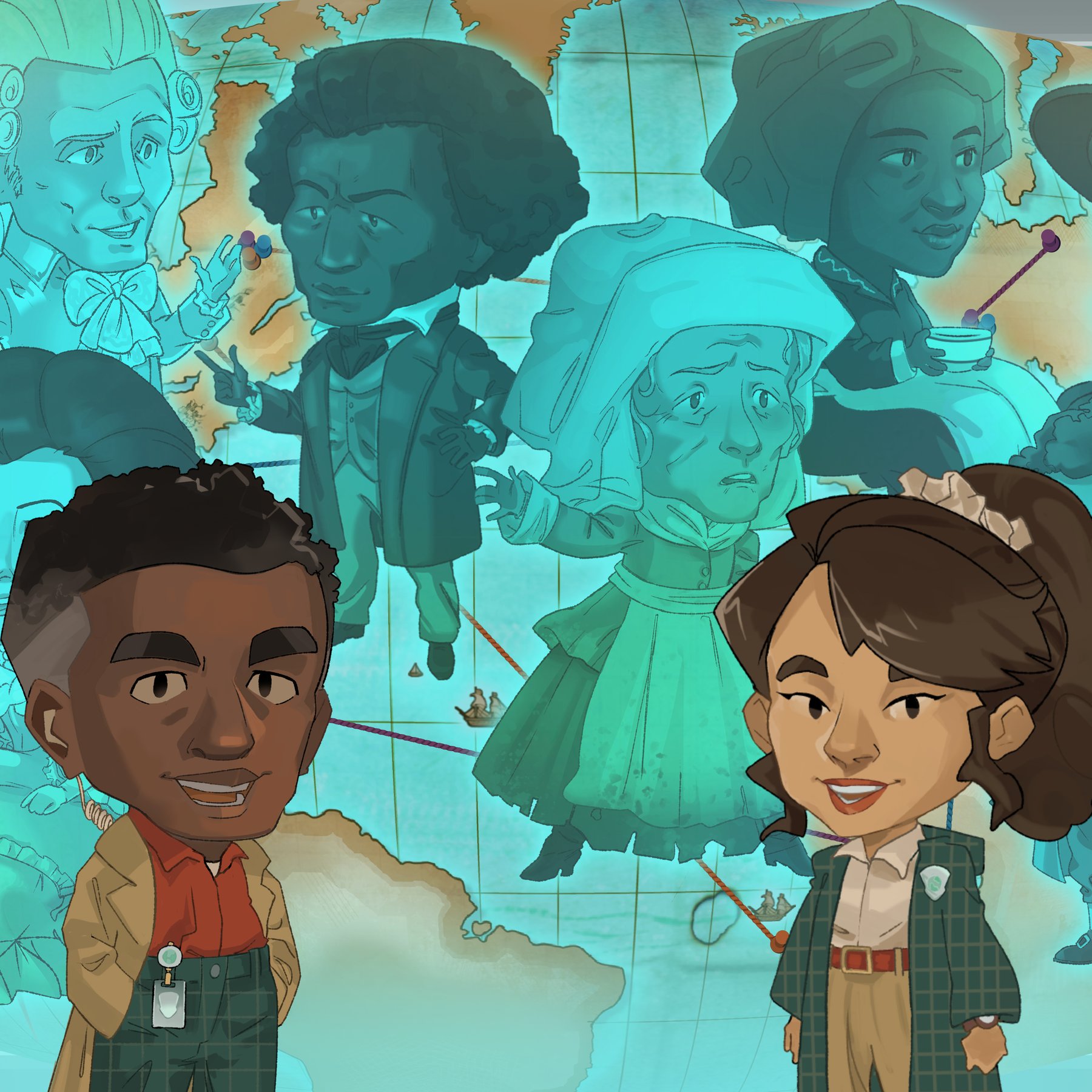
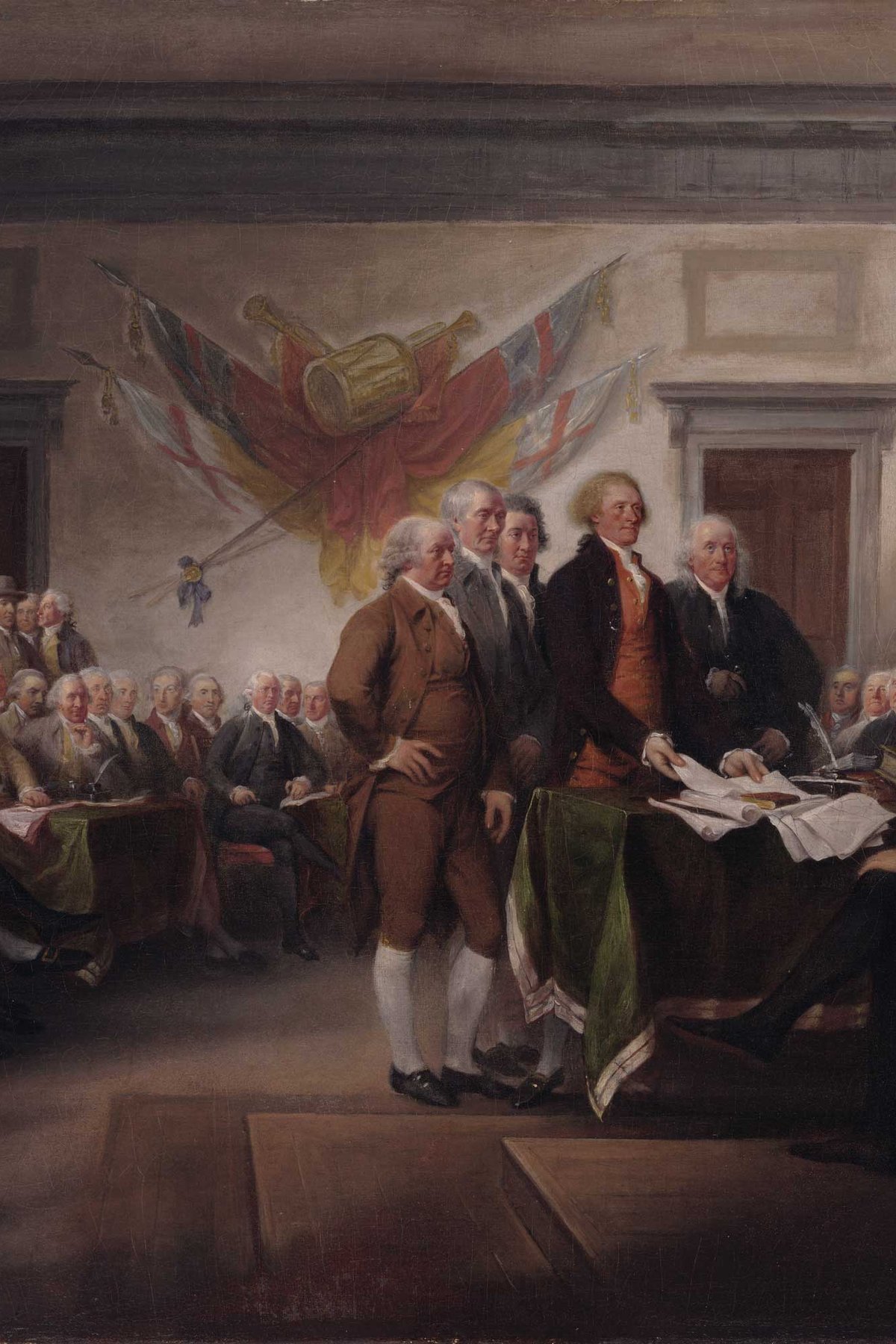
Take on the role of Secret Agent 6 and travel across the Atlantic World and over 100 years of history to investigate records that connect Enlightenment ideals to the United States Declaration of Independence and beyond.