What Was Travel Like in Colonial America?
Every year, hundreds of thousands of people visit Williamsburg, Virginia. They arrive in the comfort of enclosed, climate-controlled cars, buses, or trains. It generally takes less than a day to arrive, and they reach town roughly when they expect to (unless the tunnel from Norfolk is blocked, in which case, good luck). While we may complain about flight delays and highway traffic, travel today is far easier, simpler, and more pleasant than eighteenth-century travel.
What was travel like in an age when one could move no faster than a horse or a boat? How did North Americans get from one place to another without paved roads, motorized vehicles, or GPS?
On the Road
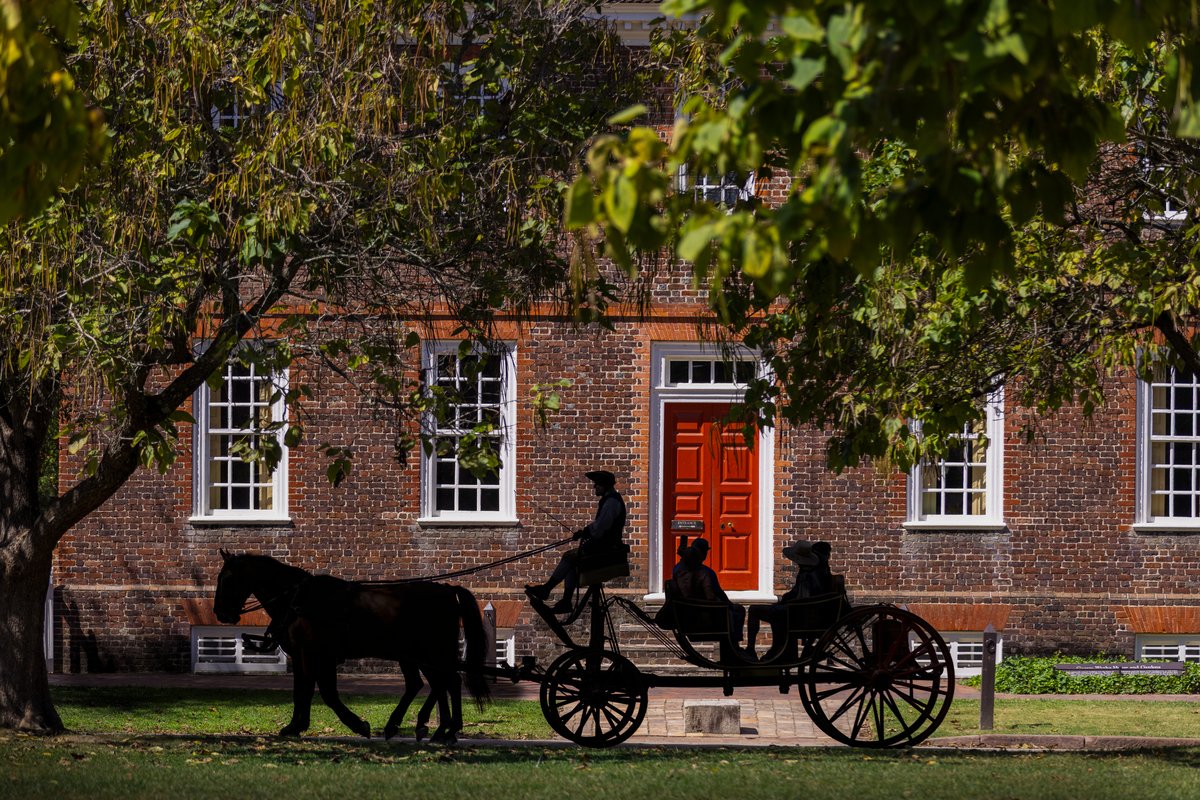
How did early Virginians get around? With horses having become common throughout the colony by the eighteenth century, Virginians used a variety of wheeled vehicles and saddles. Just like today, a person’s transportation choices expressed their status and identity.
The Saddle
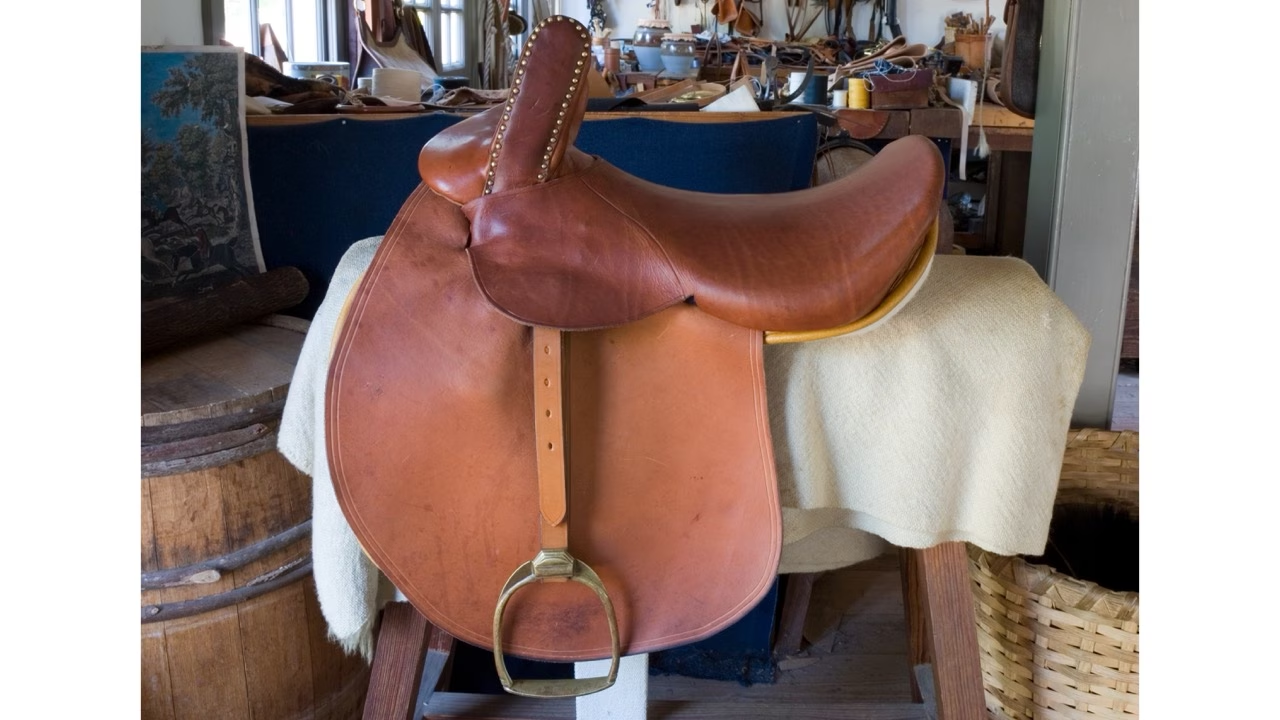
By the eighteenth century, most Virginians traveled on horseback. One visitor remarked, “Not many people can be seen traveling on foot.” [1]
The Cart
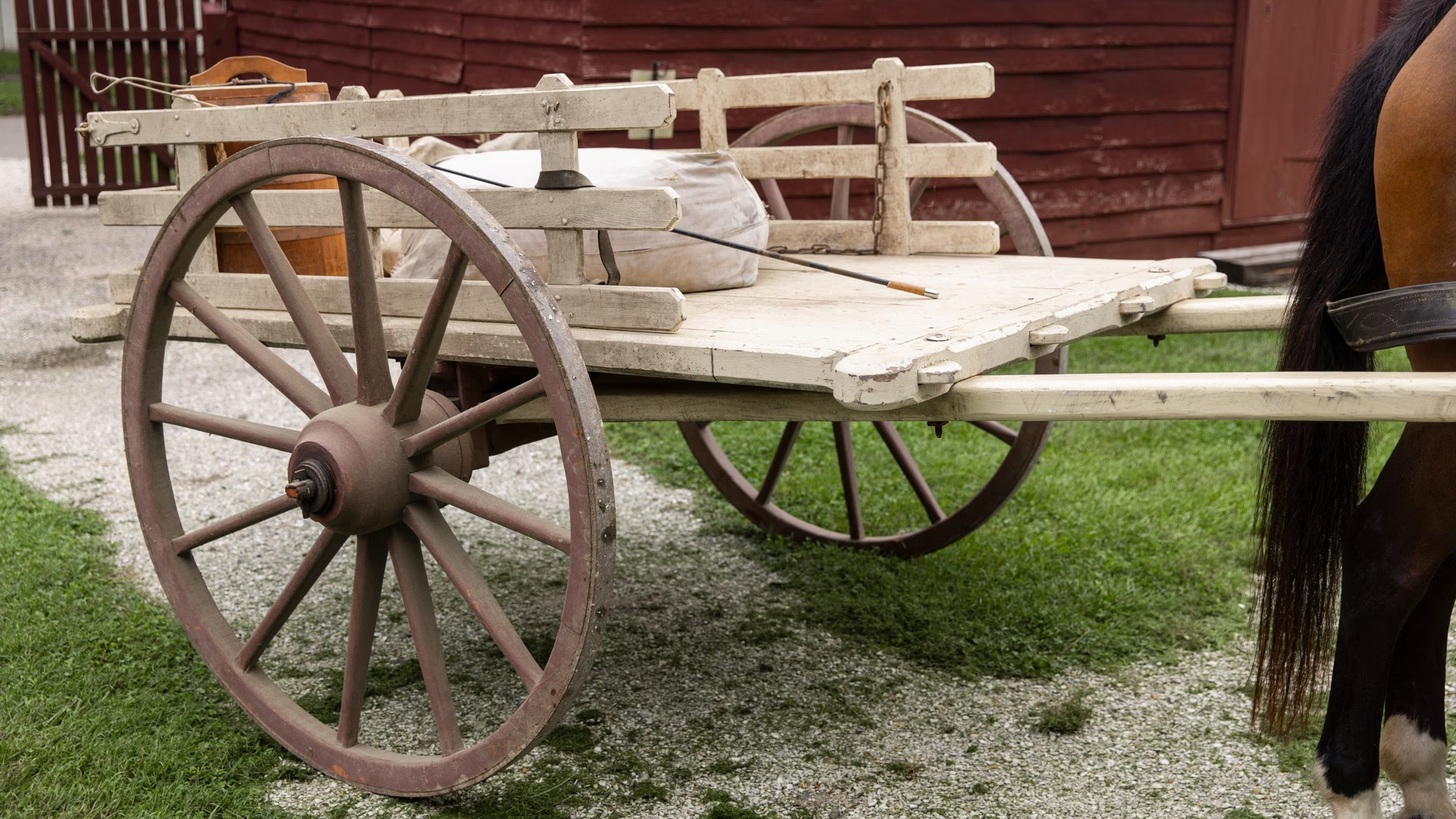
Two-wheeled work carts, often manned by enslaved workers, carried supplies and people between plantations and towns.
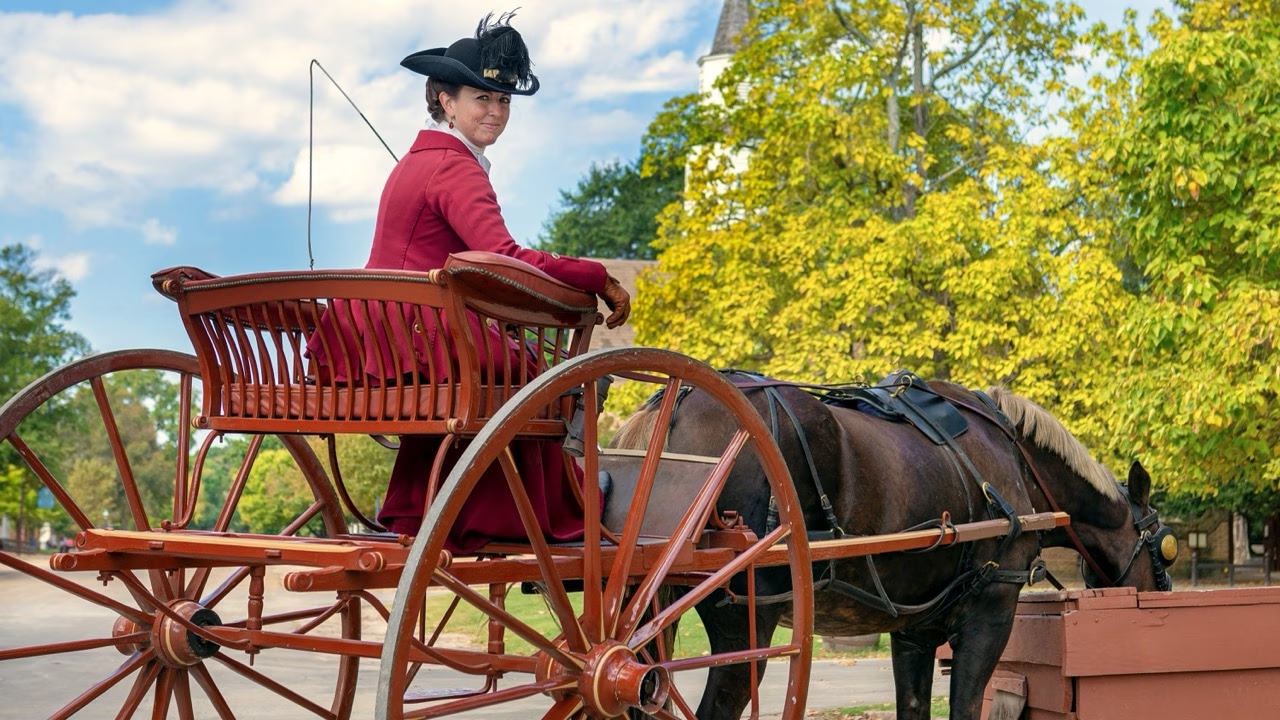
The Riding Chair
Two-wheeled riding chairs were very popular in Virginia. These small, relatively inexpensive vehicles could cross difficult roads drawn by one horse.
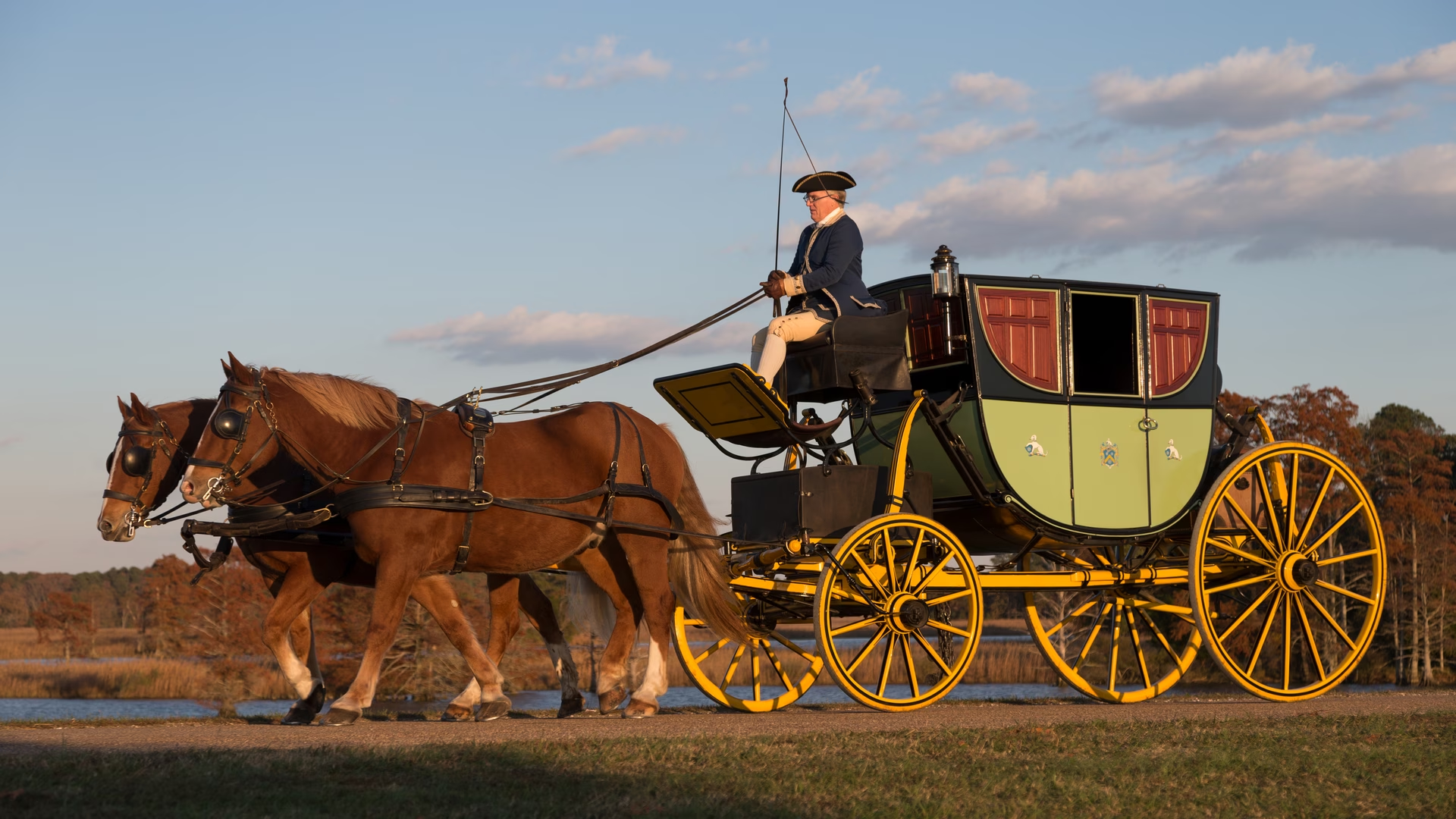
The Coach
Coaches were large, enclosed vehicles with four wheels drawn by two to six horses. They were suited for driving in a town.
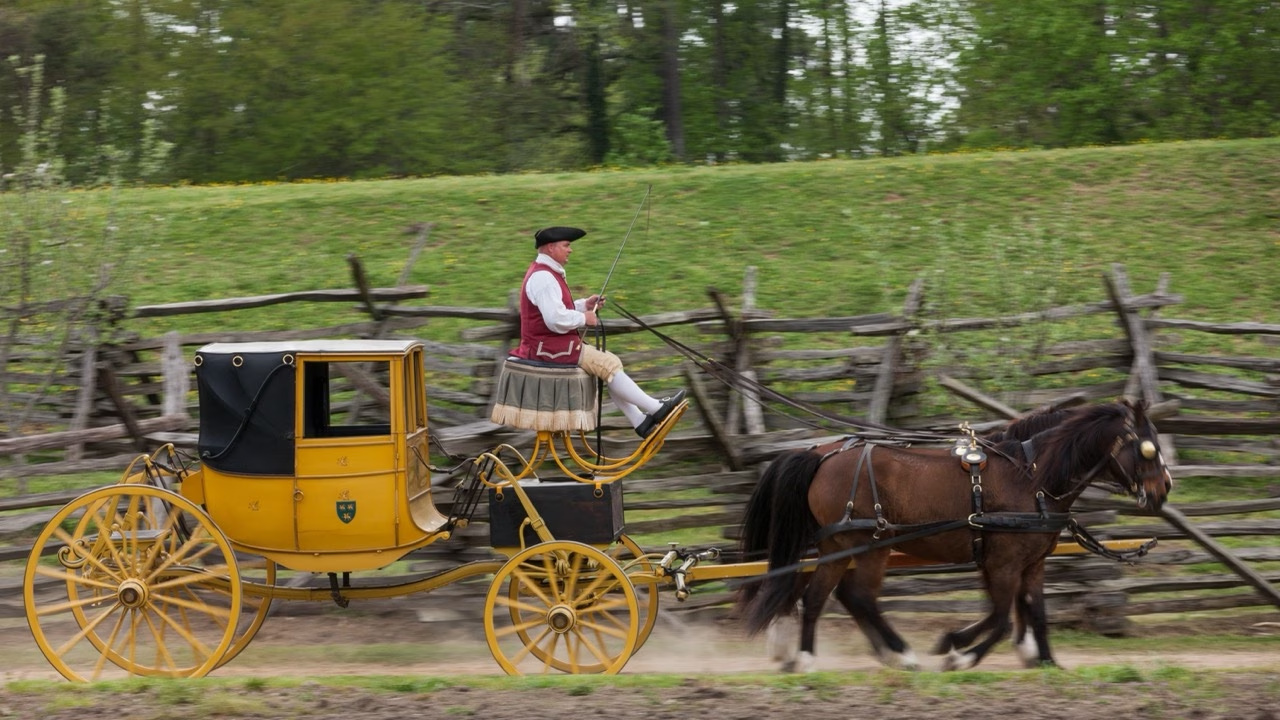
The Chariot
Chariots were like coaches, but smaller, suited for one or two passengers.
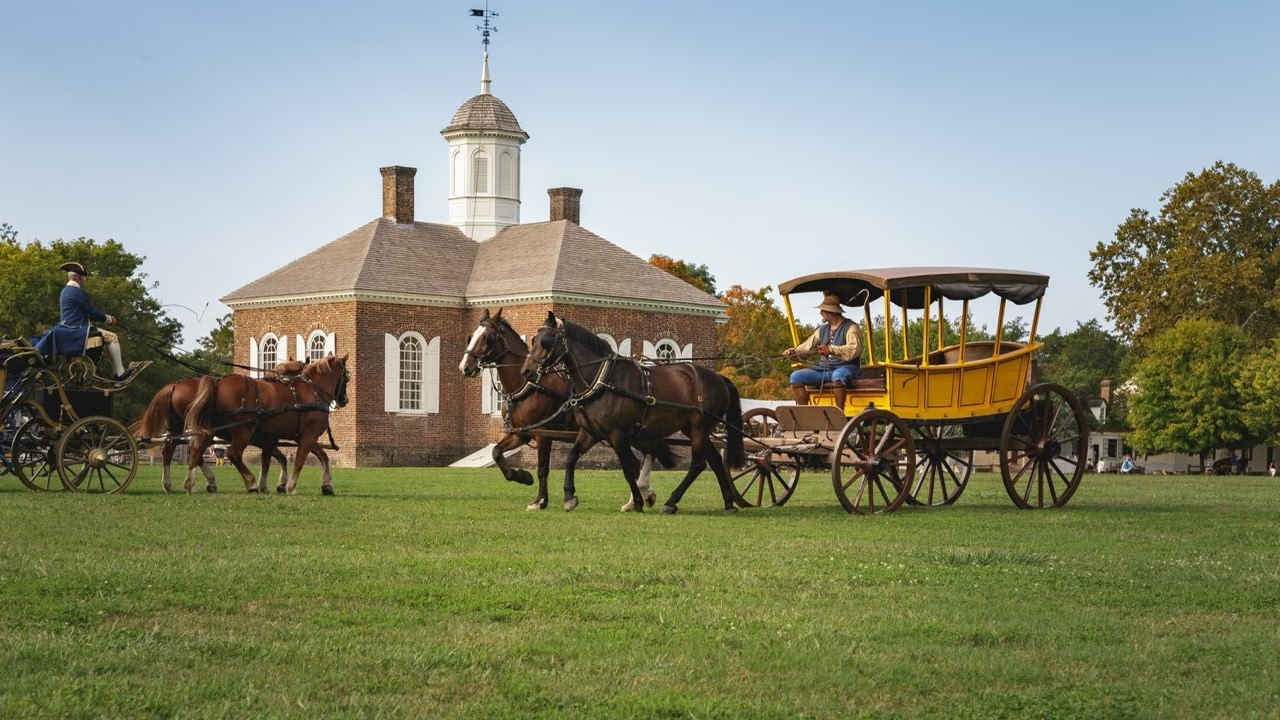
The Stage Wagon
Stage Wagons, later known as Stagecoaches, provided Virginians an early form of long-distance public transit, beginning in the late eighteenth century.
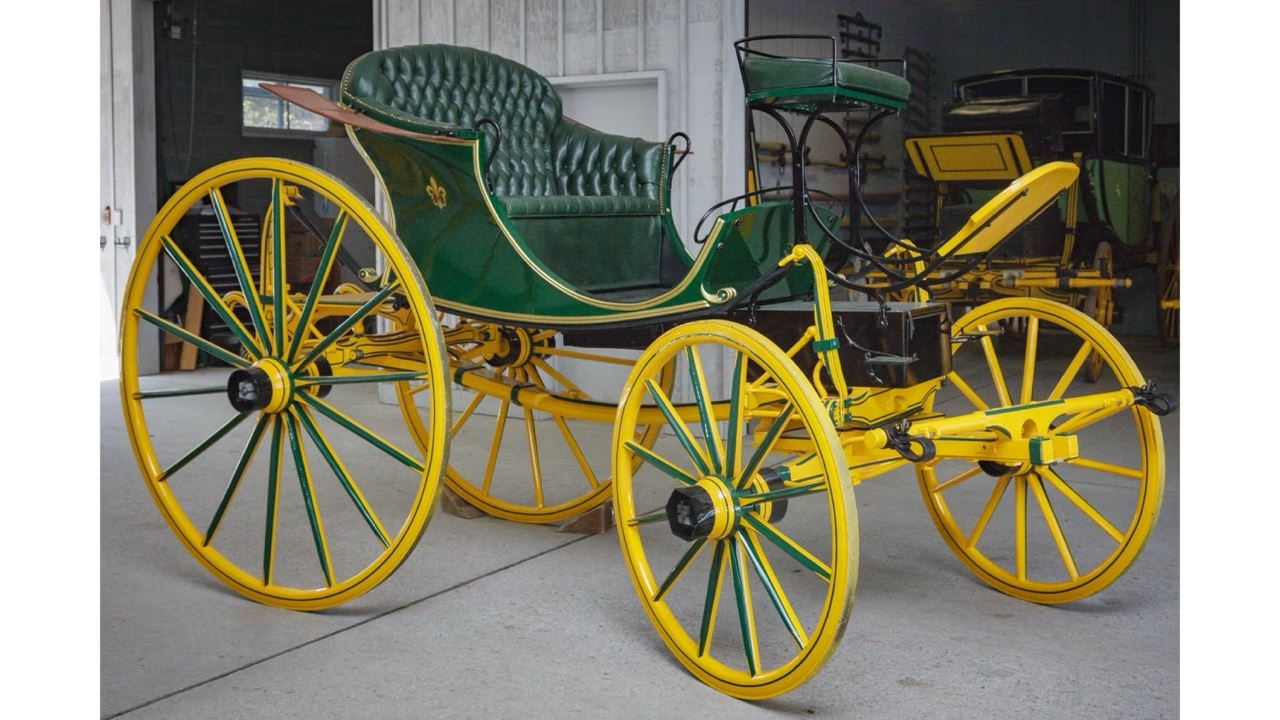
Phaeton, Post-Chariot, Post-Chaise
Several light, speedy four-wheeled vehicles known as phaetons, post-chariots, and post-chaises became popular in the late eighteenth century.
18th-Century Wheelwrights
Wheelwrights made a lot more than just wheels! Master wheelwright Paul Zelesnikar and apprentice wheelwright Joseph Conley explain how this trade touched all levels of 18th-century society.
Road Tripping
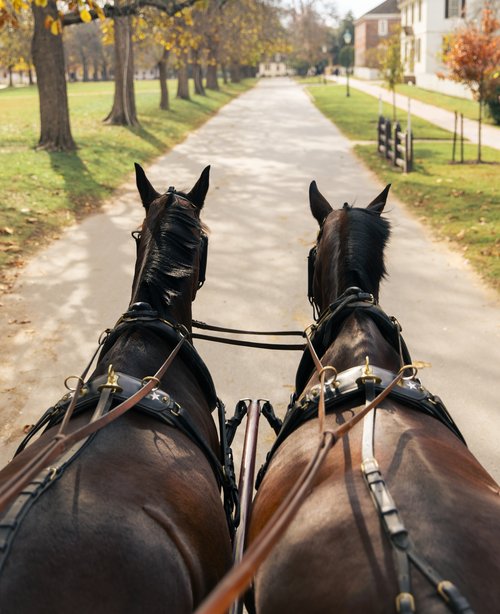
In the eighteenth century, Virginia’s roads had character. Bumpy, rough, and riven with ruts, many roads were more suggestions than surfaces. Often widened from Native peoples’ trails, many roads in colonial Virginia remained narrow paths through dense woods. By the middle of the eighteenth century, Virginia required residents to spend a certain number of days per year building or maintaining roads.2
Outside of major towns, most roads were unpaved and difficult to navigate. The forests’ thin soil became sandy in dry weather and often developed deep tracks in wet conditions.3 In the late eighteenth century, an Irish visitor to the Chesapeake named Isaac Weld commented that when a road through the woods became impassable, Americans simply “open a new passage through the trees.” He recalled seeing “six or seven different roads branching out from one, which all lead to the same place.” When a badly rutted road was the only one available, Weld recalled a driver asking passengers “to lean out of the carriage first at one side, then at the other,” to keep it from tipping over.4 Since many roads ran through private land enclosed by fences, travelers complained about having to get out of their vehicles to open gates along the way.5
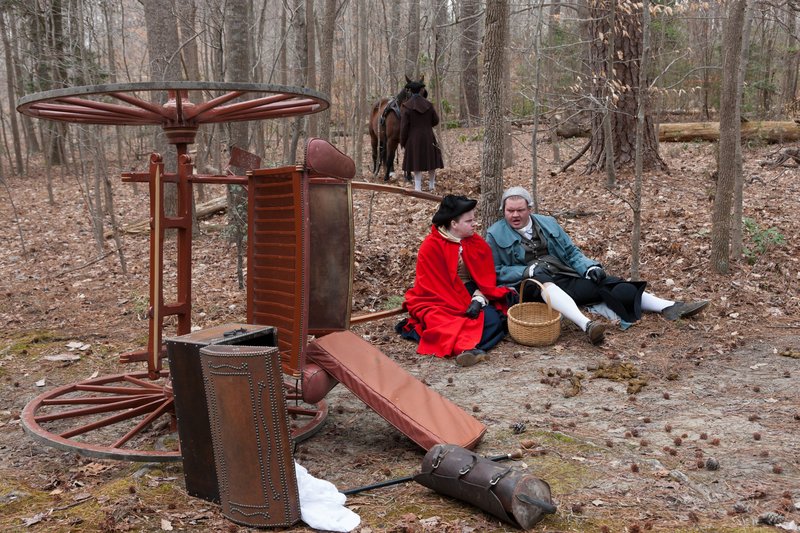
Weather could make bad roads even worse. Traveler Ebenezer Hazard recalled crossing a post road in water “up to my Horse’s Knees.”6 When a carriage got stuck in muddy roads, riders often needed to get out and push it free.7 One traveler remembered being unable to get a coach out of a mire, and being “obliged to leave it there, with the whole of the baggage, all night.”8
Urban streets were not much better. Hazard described Williamsburg as “a small, regular, sandy, dusty, wooden, unpaved City.”9 Weld wrote of Norfolk’s roads, “none of them are paved, and all are filthy; indeed, in the hot months of summer, the stench that proceeds from some of them is horrid.”10 Virginian Mary Ambler recalled that the streets of Baltimore were “very dirty & almost Impassable after a Rain.”11
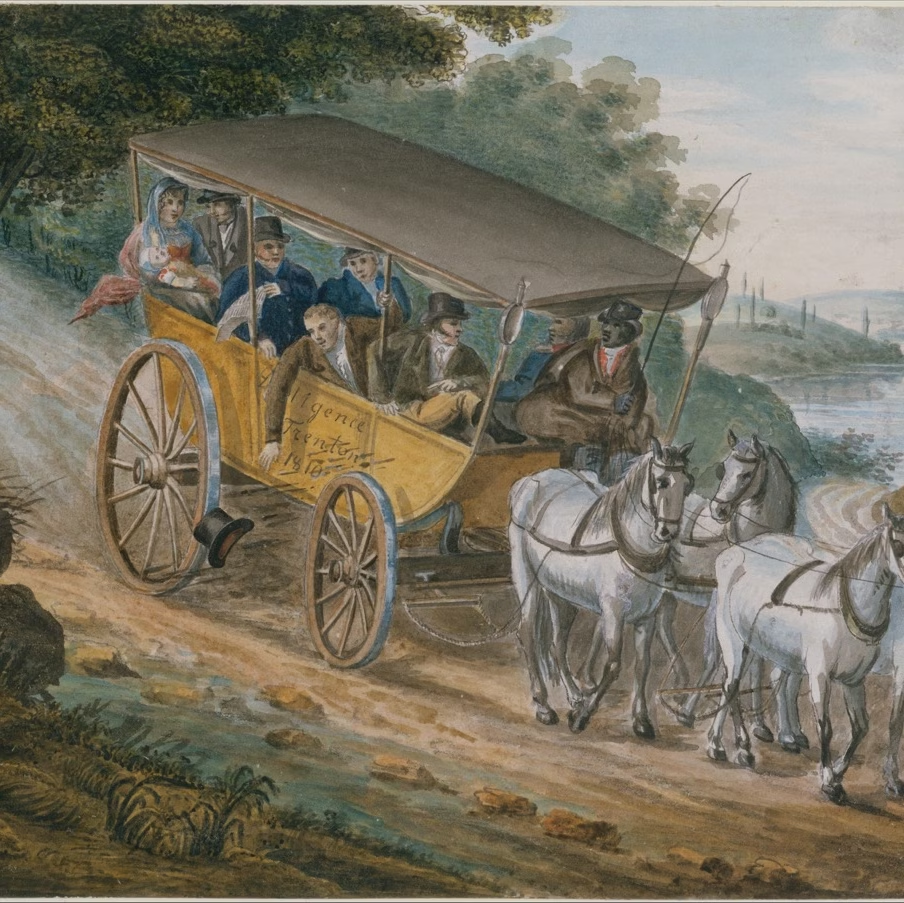
Pavel Petrovich Svinin, “Travel by Stagecoach Near Trenton, New Jersey,” (ca. 1813). Courtesy of The Met.
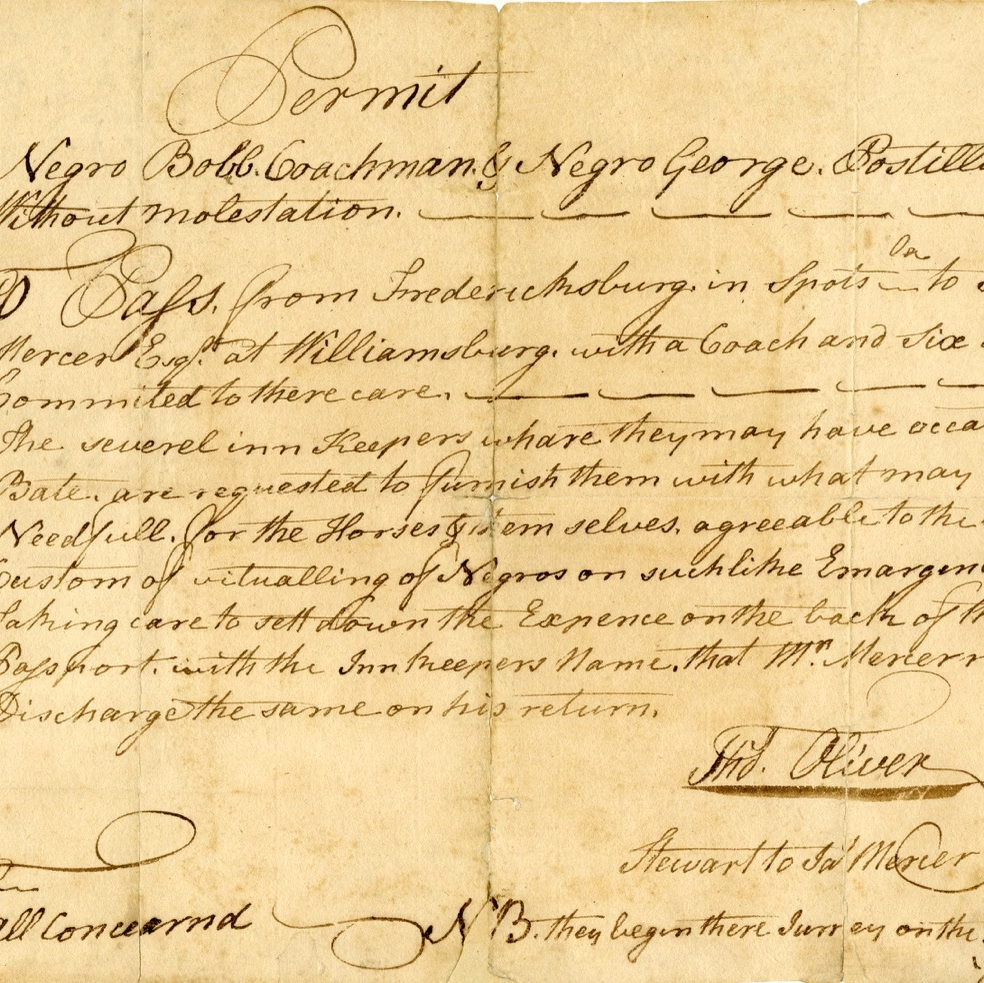
A 1771 pass permitting two enslaved men, Bobb and George, to travel to Williamsburg. MS 1975.1, Colonial Williamsburg Special Collections.
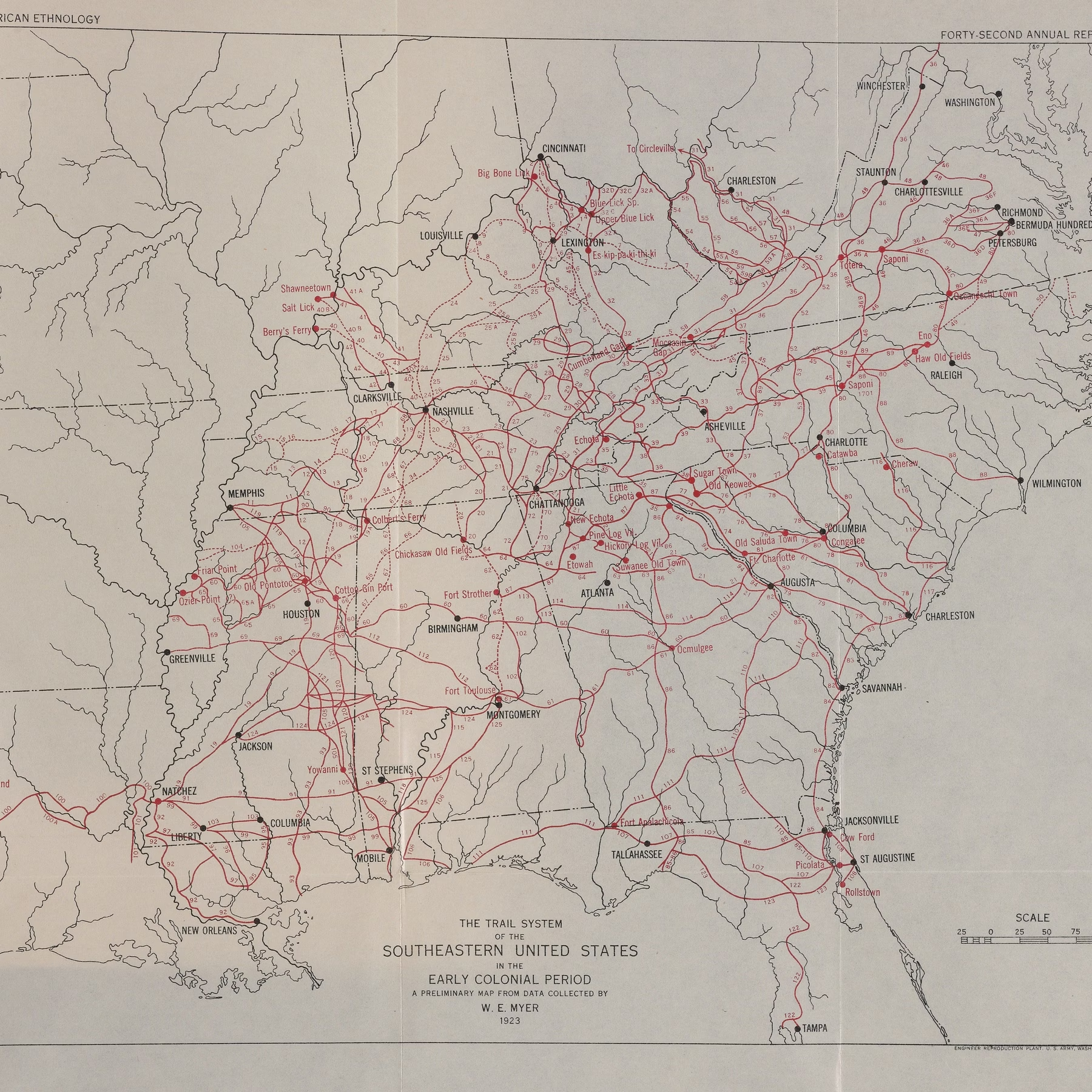
Map of early Native trails, created by William E. Myer. Courtesy of Beinecke Rare Book and Manuscript Library.
Experiences of Travel
Travel wasn’t the same for everyone. A person’s status, gender, and identity shaped how they moved through the world. While a wealthy planter might travel in a stylish coach, an enslaved person might travel on foot, if at all. Just like today, travel was not just about moving a body around—it expressed power, status, and social boundaries.
Ships, Canoes, and Ferries
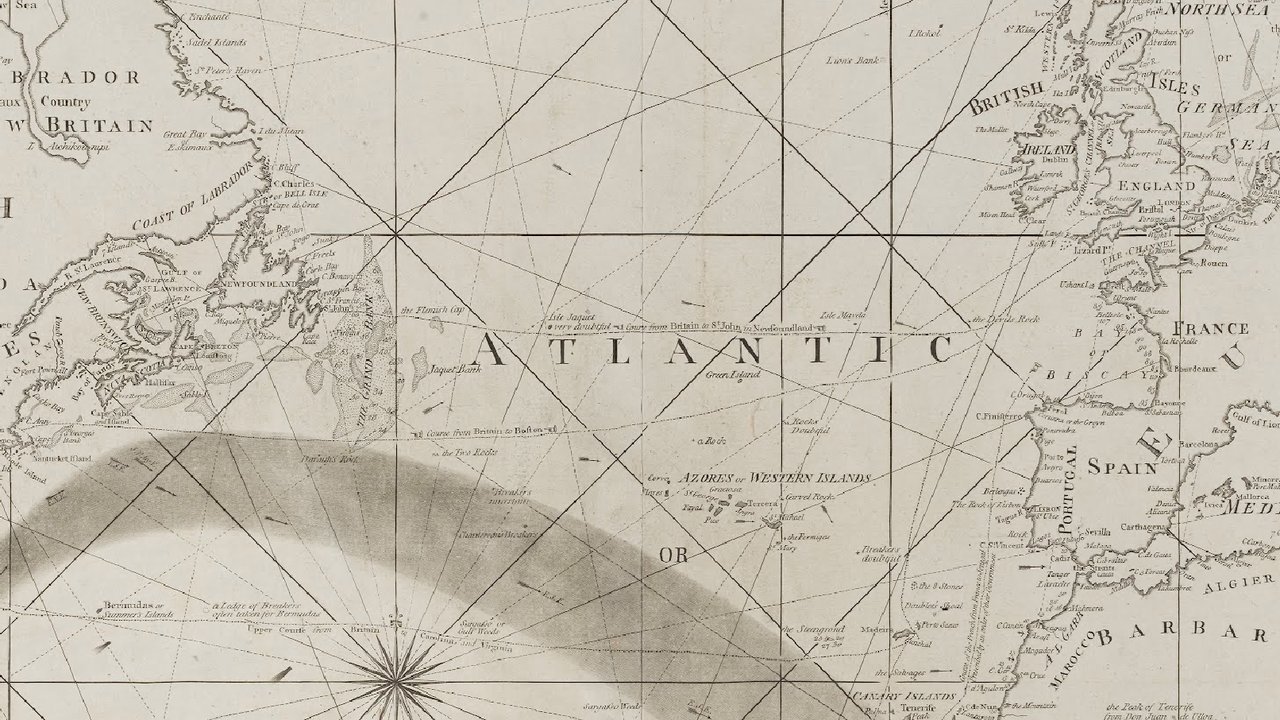
Atlantic travel was perilous and lengthy. It took weeks, often months, to travel from Virginia to Europe. During that time, travelers were at the mercy of the ocean. Poor winds delayed travel. Storms caused shipwrecks. Onboard a ship, many travelers struggled with seasickness and uncomfortable accommodations.
Dangers on the High Seas
Transatlantic voyages in the eighteenth century were long and precarious, often rife with maritime challenges like bad weather, dwindling rations, and unpredictable crews. Follow the harrowing 201-day voyage of Adam Cuninghame, a Scotsman who journeyed to Virginia in the early 18th century.
For travel within the continent, Virginia’s many rivers provided a quick and easy form of transit. Edward Kimber remarked that Virginia benefitted from “the most noble navigable Rivers in the World.”23 Indigenous peoples traversed these waterways in canoes, which could travel in both shallow and deep waters, often much faster than European-style boats.24 Travelers without horses often used canoes, which Europeans sometimes referred to as “pirogues,” to accelerate the pace of their journey.25
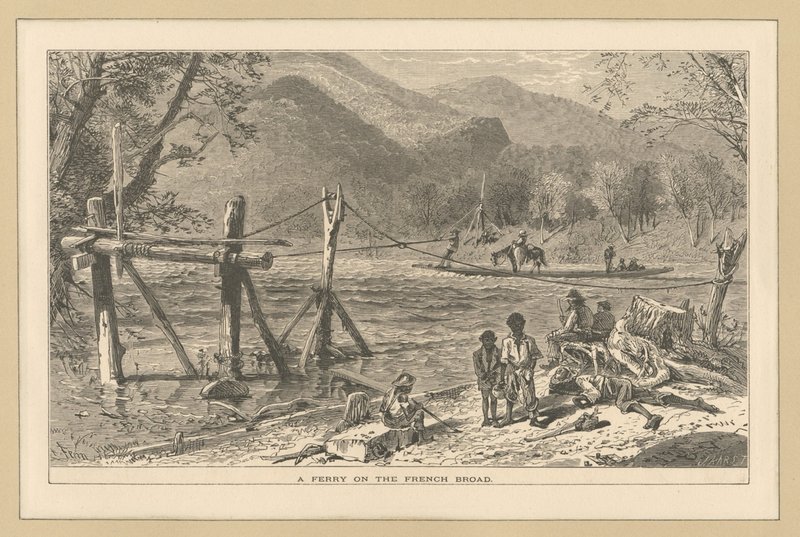
Harry Fenn and John Karst, “A Ferry on the French Broad,” (n.d.). Courtesy of New York Public Library Digital Collections.
Those traveling on roads often had to cross eastern Virginia’s many rivers. While bridges spanned some smaller rivers and streams, the large rivers flowing into the Chesapeake could only be crossed on ferries. These were sturdy, flat-bottomed wooden boats (similar to rafts) that people, horses, and vehicles could travel on. Ferry crossings were perilous places for travelers. Poor weather, such as ice, wind, and floods, could cause long delays. Many travelers spent the night at taverns or homes near ferries, hoping for better conditions in the morning. In Virginia, travelers complained about poorly operated ferries, which could injure horses.26
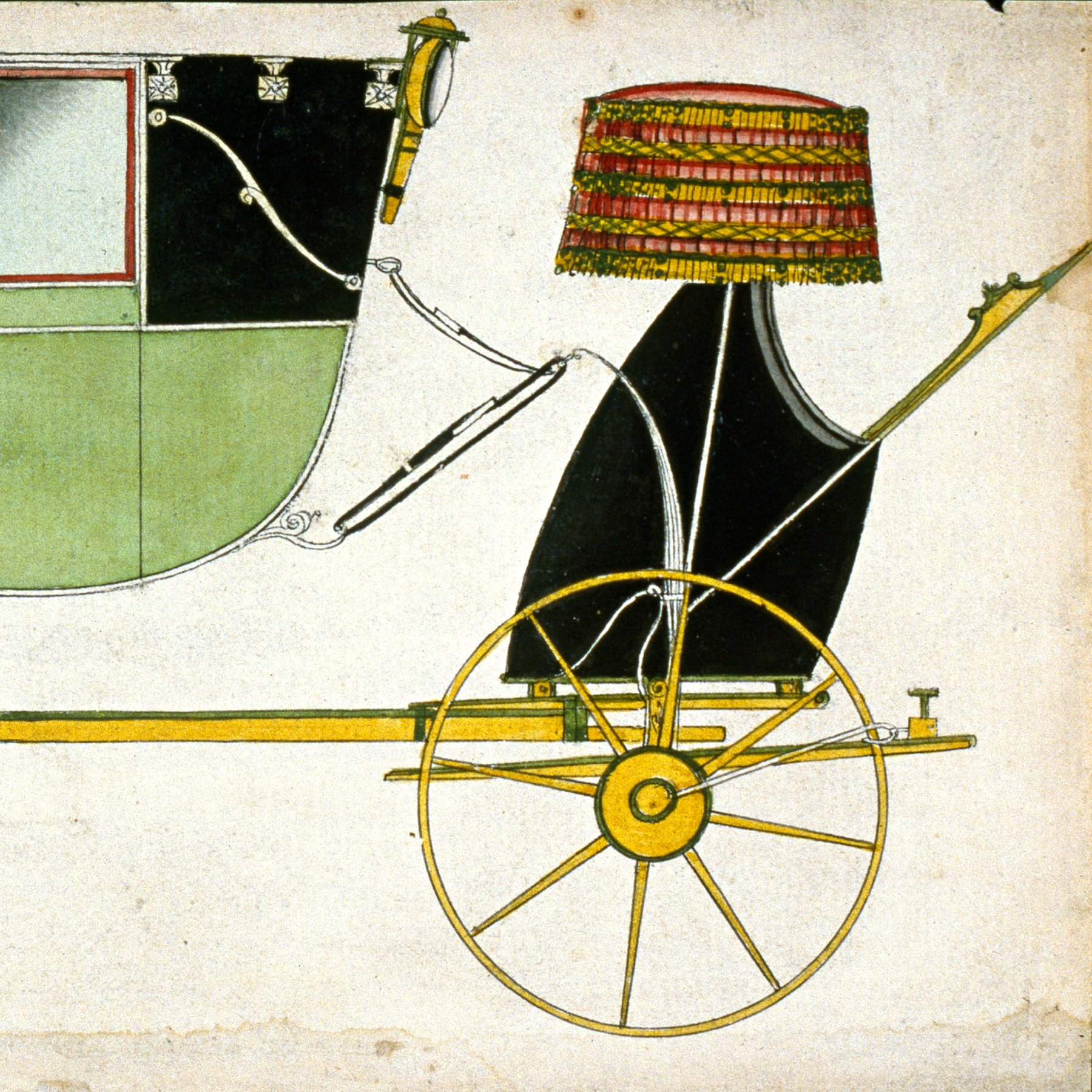
Early American Travel Tips
Are you able to travel back in time? If so, you might struggle with other forms of travel. Here are some tips for anyone making their way through eighteenth-century North America.

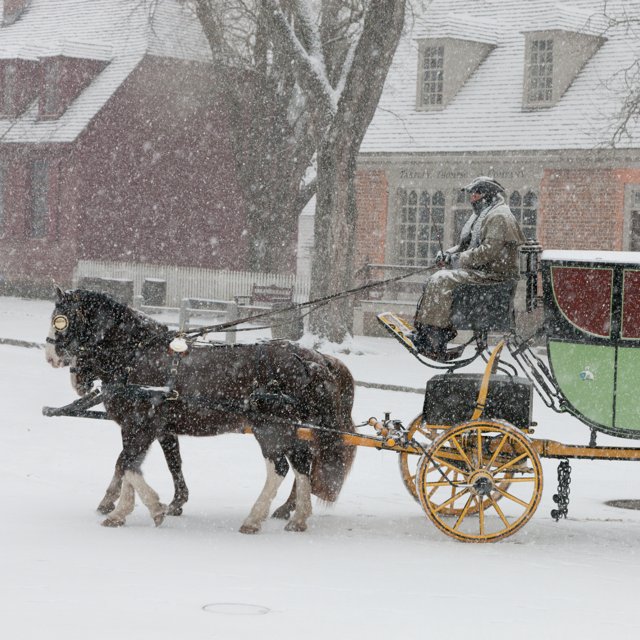
Don’t Travel in Winter
According to Englishman Francis Baily, America’s roads were “very bad in winter, though excellent in summer.” But nothing was more “agreeable, expeditious, and pleasant” than traveling in the summer.[27]
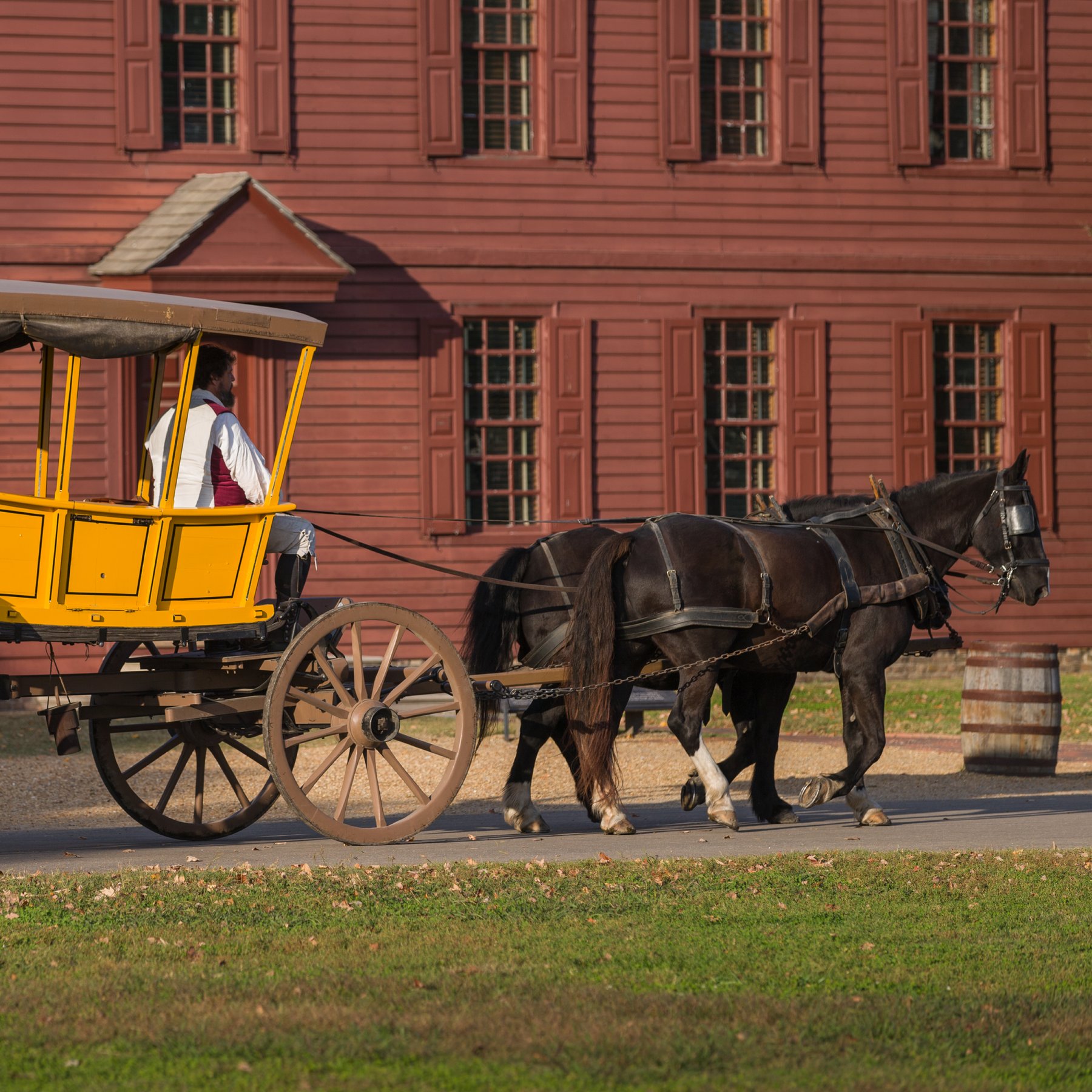
Bring a Cushion
Irishman Isaac Weld recommended that “if persons wish to travel with comfort” on a North American stage wagon, they must bring “cushions for their hips and elbows, otherwise they cannot expect but to receive numberless contusions.”[28]
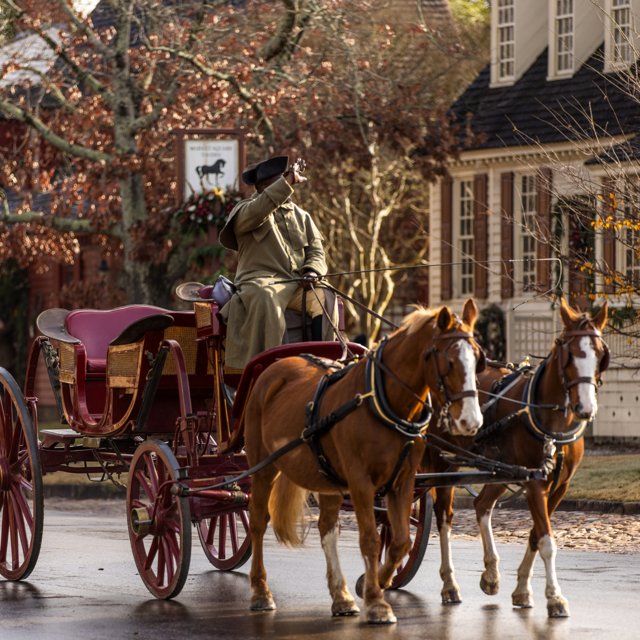
Ask Directions!
Confusing roads often misled strangers. The Marquis de Chastellux complained about how difficult it was to know what direction or what distance one was traveling. He admitted that he was “frequently set right by passengers and negroes.”[29]
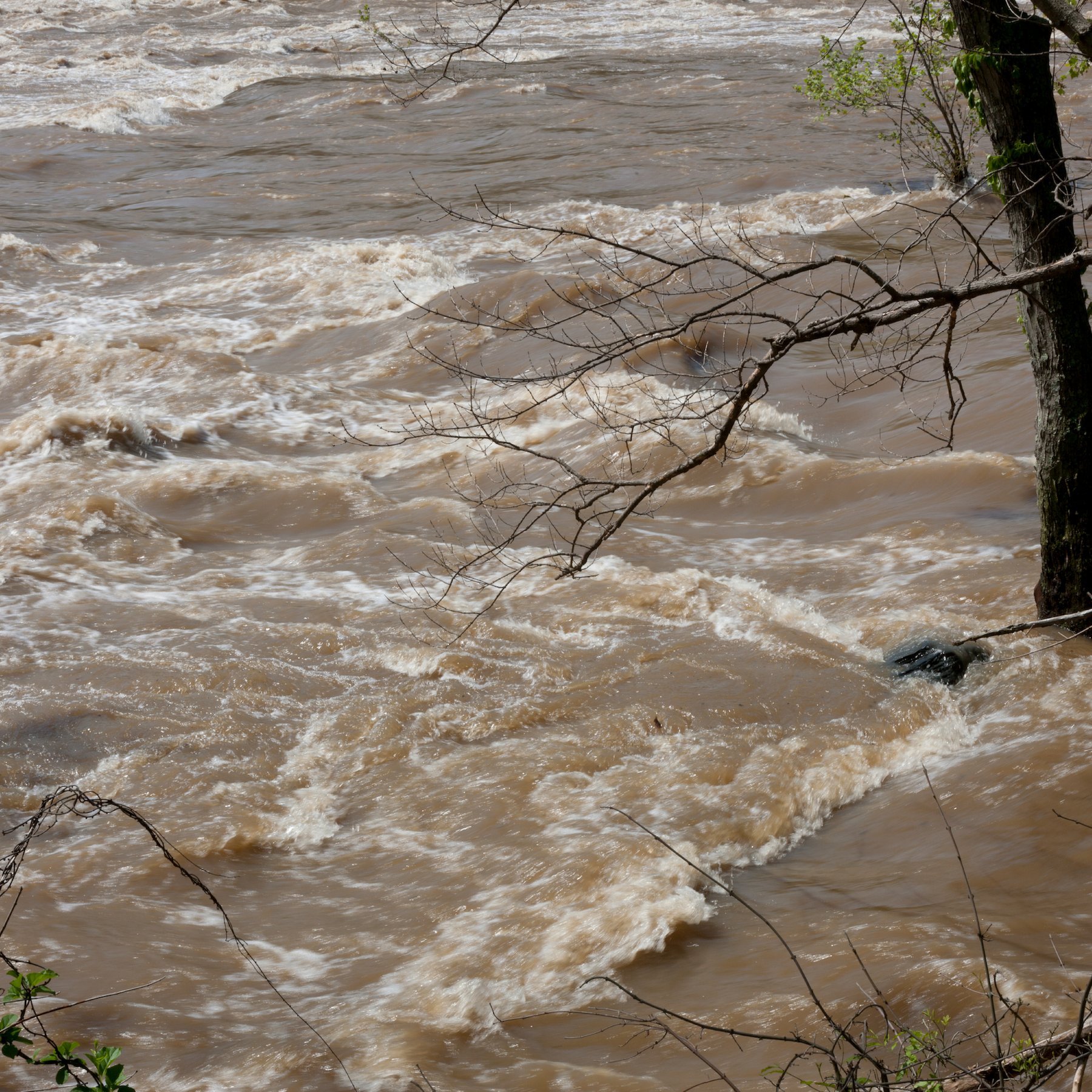
Be Wary of the Ferry
Few Virginia ferries, according to Isaac Weld, were “good and well manned.” Accidents were common. He heard about “numberless recent instances of horses being drowned, killed, and having their legs broken,” by entering and leaving the boats.[30]
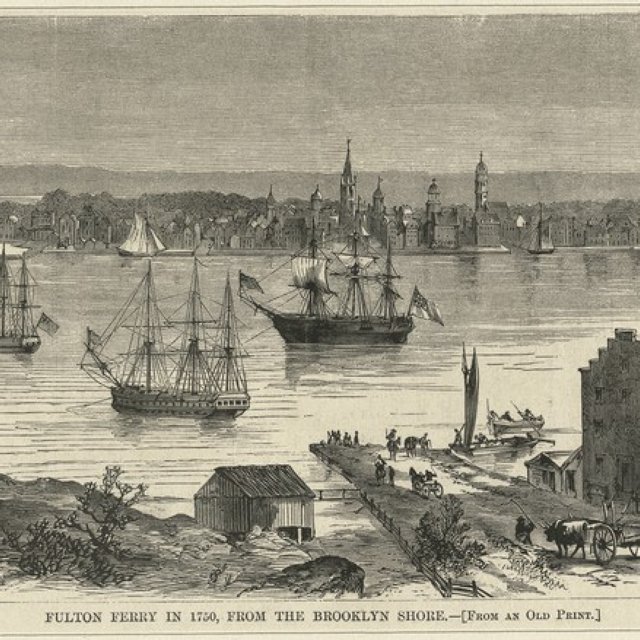
Bribe the Ferryman
In 1744, some ferrymen informed a Maryland doctor named Alexander Hamilton of a local custom: give them alcohol or be dunked in the river. He gave over a bottle of wine.[31]
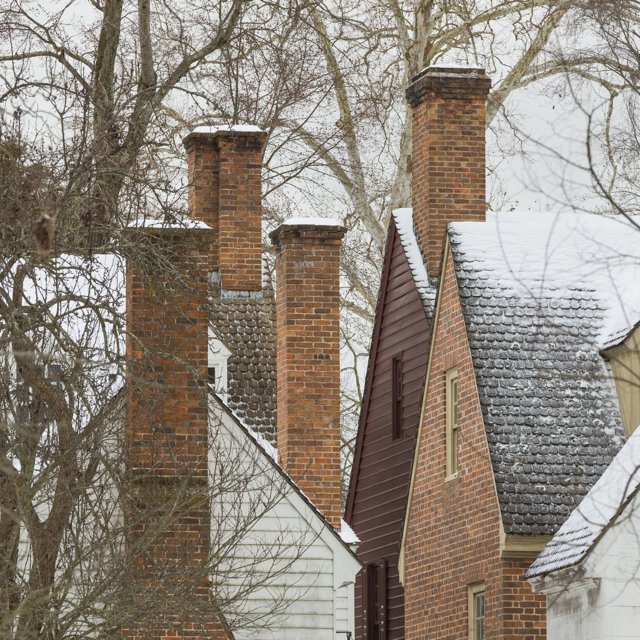
Look for a Second Chimney
When taverns were unavailable, travelers often lodged in private homes. Virginia visitor William Hugh Grove found that he could find a room by looking for a home with two brick chimneys, which showed “there is a spare bed and lodging and Welcome.”[32]
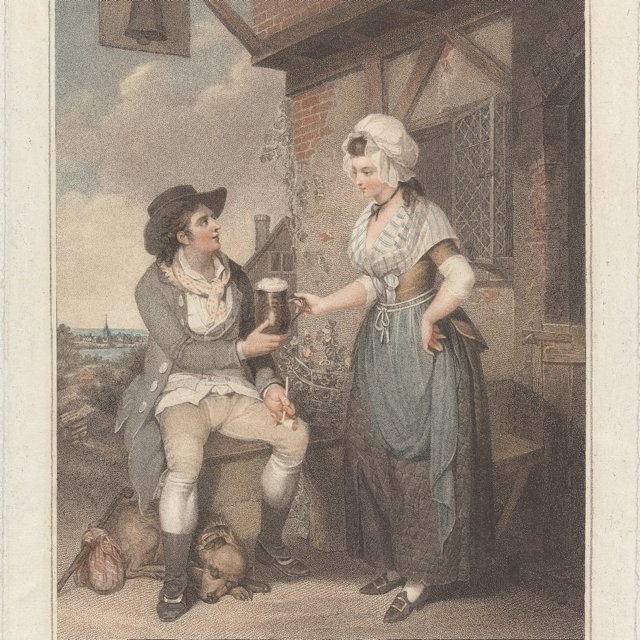
Enjoy Southern Hospitality
In 1777, Nicholas Cresswell found southern colonists were “the most hospitable people on earth.” A stranger with a “good face” who “behaved decently,” and had “a tolerable share of good-nature” would be given free accommodations along the way.[33]
Don’t Expect Privacy
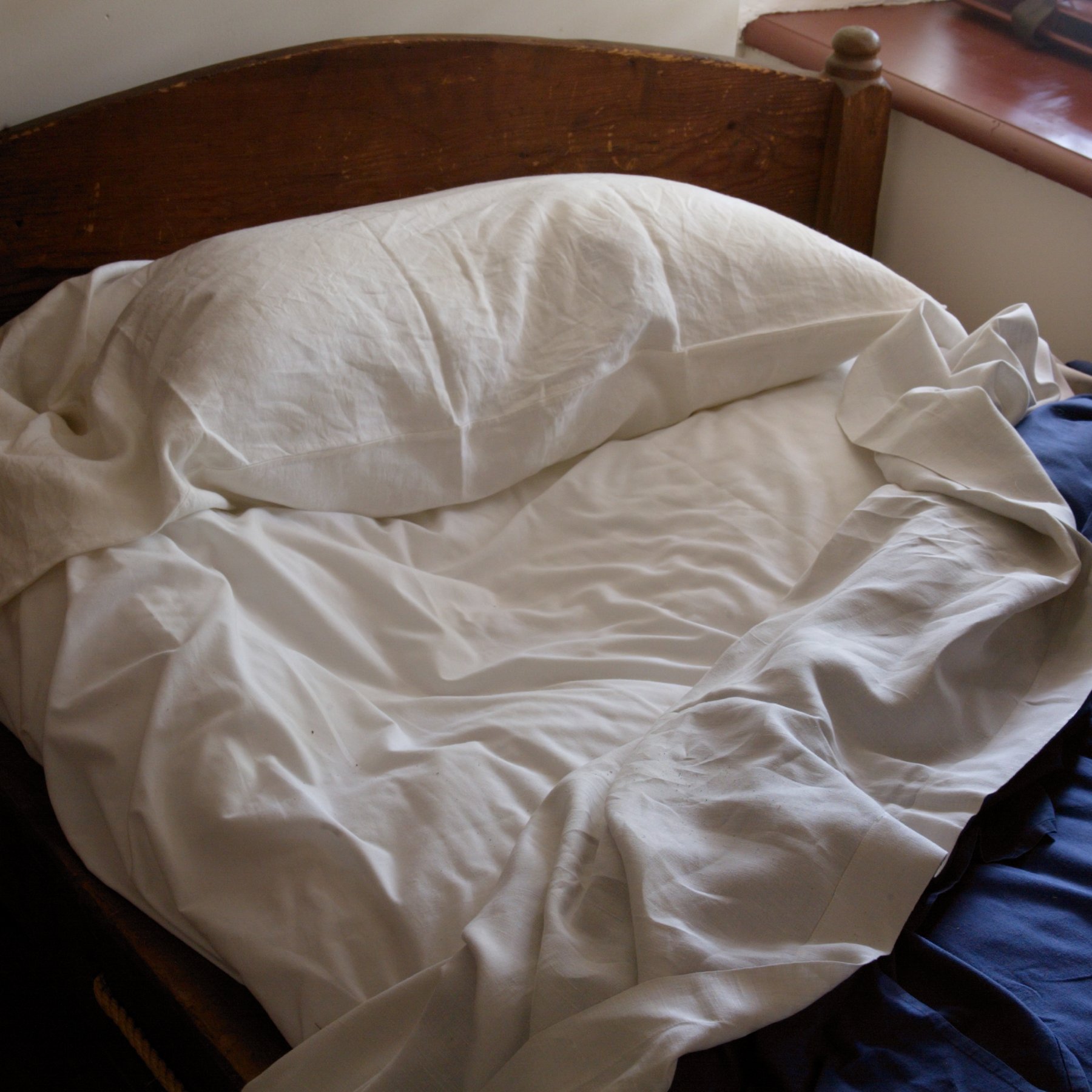
Few expected private accommodations on the road. Robert Hunter Jr. recalled sleeping in a tavern that reminded him of a “dog kennel,” in a room “with half a dozen” others. “Notwithstanding all their noise,” he wrote, “I slept as sound as could be.”[34]
Sleeping Arrangements
Eighteenth-century taverns were a mix of a modern hotel, bar, restaurant, and community center. Williamsburg had numerous taverns, serving visitors who were members of the House of Burgesses or participating in court proceedings. Outside of Williamsburg, taverns were common in towns, along busy roads, and anywhere that a person might need to stay overnight, including county courthouses and ferry crossings.
Travelers often had to share bedrooms and beds with strangers. Robert Hunter Jr. recalled a comical scene in a tavern near Williamsburg, where he slept with eight others in a room: “There were three men in one of the beds. It was curious to hear them disputing who should sleep in the middle.” But he could barely sleep over their arguing. His next diary entry complained about the three men’s “confounded noise” through the night.35
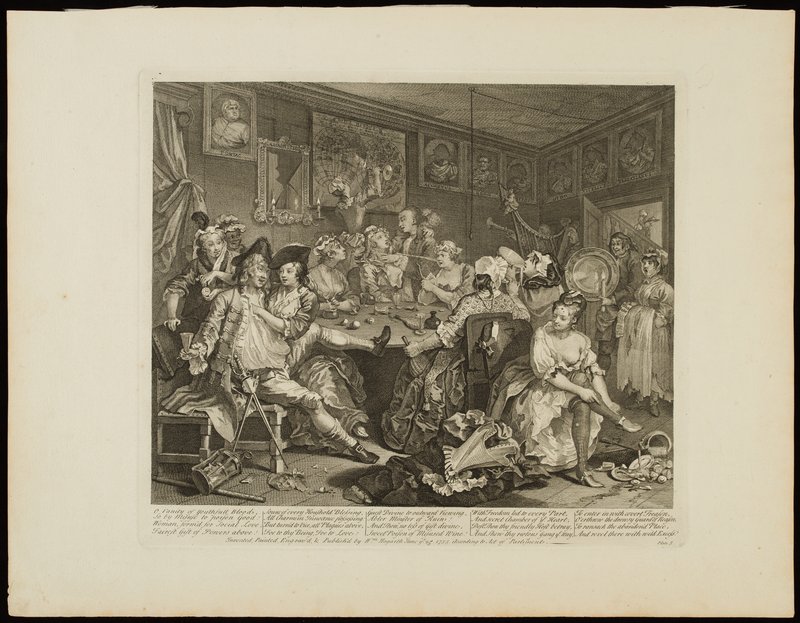
William Hogarth, “A Rake’s Progress, Plate 7.” Art Museums of Colonial Williamsburg, accession no. 1967-566,7.
Many travelers complained about these tight quarters. Francis Baily recorded that it wasn’t unusual to “be surprised when you awoke in the morning to find a bedfellow by your side whom you had never seen before.” But any complaints, he noted, were “silenced” by the response that it was “the custom of the country.”36 Madame de La Tour du Pin, a French noblewoman, recalled being woken by the sound of a “stream of French oaths” coming from a male traveling companion, who had been stirred at midnight by a man “sliding, without so much as a ‘by your leave’ into the empty half of his double bed.” Her companion spent the evening “in a chair listening to his companion’s snores.”37 Other discomforts were common. Travelers frequently complained about poor food, dirty conditions, scratchy sheets, and loud tavern-goers.38
In places without taverns, or where one was full, it was not unusual for a traveler to knock on a stranger’s door and seek lodging. Dr. Alexander Hamilton recalled staying at one ferry house in the same room as the family he lodged with: “my landlord, his wife, daughters, and I lay all in one room.”39
Travel Journals
Travel journals are key sources for historians looking to learn more about daily life in the past. Read excerpts from travelers to colonial Virginia and learn what early visitors thought of Williamsburg.
Sources
- William J. Hinke, trans., “Report of the Journey of Francis Louis Michel from Berne, Switzerland, to Virginia, October 2, 1701–December 1, 1702,” Virginia Magazine of History and Biography 24 (Jan. 1916): 36.
- William Waller Hening, ed., The Statutes at Large: Being A Collection of all the Laws of Virginia, from the First Session of the Legislature, in the Year 1619 (Richmond: Franklin Press, 1819), 6:65–66, link.
- According to traveler Andrew Burnaby, “The streets are not paved, and are consequently very dusty, the soil hereabout consisting chiefly of sand.” See Andrew Burnaby, Travels through the Middle Settlements in North-America: In the Years 1759 and 1760 (London: T. Payne, 1775), 7; Ebenezer Hazard, “The Journal of Ebenezer Hazard in Virginia, 1777,” ed. Fred Shelley, Virginia Magazine of History and Biography 62 (Oct. 1954): 405.
- Isaac Weld, Travels through the States of North America, and the Provinces of Upper and Lower Canada, during the Years 1795, 1796, and 1797, vol. 1 (London: J. Stockdale, 1800), 37–38.
- Daniel Fisher diary in Louise Pecquet du Bellet, Some Prominent Virginia Families, vol. 2 (J. P. Bell Company, 1907),797; Philip Vickers Fithian, Journal and Letters: 1767–1774, ed. John Rogers Williams (Princeton University Library, 1900), 152.
- Hazard, “Journal of Ebenezer Hazard in Virginia,” 412.
- Newton D. Mereness, ed., Travels in the American Colonies (Antiquarian Press, 1961), 346.
- Francis Baily, Journal of a Tour in Unsettled Parts of North America in 1796 & 1797 (London: Baily Brothers, 1856), 108, 110.
- Hazard, “Journal of Ebenezer Hazard in Virginia,” 411.
- Weld, Travels through the States of North America, vol. 1, 174.
- “Diary of M. Ambler, 1770,” Virginia Magazine of History and Biography 45 (April 1937): 165.
- Laurel Thatcher Ulrich, Good Wives: Image and Reality in the Lives of Women in Northern New England, 1650–1750 (Knopf, 1982), 139-41.
- Merril D. Smith, Women’s Roles in Eighteenth-Century America (Greenwood, 2010), 86.
- Susan Clair Imbarrato, Traveling Women: Narrative Visions of Early America (Ohio University Press, 2006), 64–65.
- “The Travel Diary of Elizabeth House Trist: Philadelphia to Natchez, 1783–84,” ed. Annette Kolodny, in Journeys in New Worlds: Early American Women’s Narratives, gen. ed. William L. Andrews (University of Wisconsin Press, 1990), 206–207, 209.
- Smith, Women’s Roles in Eighteenth-Century America, 86.
- Philip D. Morgan, Slave Counterpoint: Black Culture in the Eighteenth-Century Chesapeake and Lowcountry(University of North Carolina Press for Institute of Early American History and Culture, 1998), 347.
- Morgan, Slave Counterpoint, 288.
- Alexander Hamilton, Hamilton’s Itinerarium, ed. Albert Bushnell Hart (William K. Bixby, 1907), 145, link.
- Paul A. W. Wallace, Indian Paths of Pennsylvania (Pennsylvania Historical and Museum Commission, 1965), 2.
- Baily, Journal of a Tour in Unsettled Parts of North America, 341.
- Jacob F. Lee, Masters of the Middle Waters: Indian Nations and Colonial Ambitions along the Mississippi (Belknap Press of Harvard University Press, 2019), 3, 17, 90.
- Edward Kimber, “Itinerant Observations in America,” (originally published in London Magazine, 1745–46), in Collections of the Georgia Historical Society, vol. 4 (Morning News Steam Printing House, 1878), [35], link.
- Helen C. Rountree, Pocahontas’s People: The Powhatan Indians of Virginia Through Four Centuries (University of Oklahoma Press, 1990), 45–46.
- Weld, Travels through the States of North America, 2:339.
- Pecquet du Bellet, Some Prominent Virginia Families, 2:797; Weld, Travels through the States of North America, vol. 1, 170.
- Baily, Journal of a Tour in Unsettled Parts of North America in 1796 & 1797, 107, 110.
- Weld, Travels through the states of North America, 2:3.
- Marquis de Chastellux, Travels in North America, in the Years 1780–81–82 (New York: White, Gallaher, & White, 1827), 225n1.
- Weld, Travels through the States of North America, vol. 1, 170.
- Hamilton, Hamilton’s Itinerarium, 67, link.
- William Hugh Grove, “Virginia in 1732: The Travel Journal of William Hugh Grove,” Virginia Magazine of History and Biography 85 (Jan. 1977): 30.
- Nicholas Cresswell, The Journal of Nicholas Cresswell, 1774–1777 (Dial Press, 1924), 270.
- Robert Hunter Jr., Quebec to Carolina in 1785–1786, ed. Louis B. Wright and Marion Tinling (Huntington Library, 1943), 200.
- Hunter Jr., Quebec to Carolina in 1785–1786, ed. Wright and Tinling, 227–28.
- Baily, Journal of a Tour in Unsettled Parts of North America in 1796 & 1797, 414.
- Memoirs of Madame de La Tour du Pin, ed. and trans. Felice Harcourt (McCall Publishing Company, 1971), 236.
- Susan Clair Imbarrato, Traveling Women: Narrative Visions of Early America (Ohio University Press, 2006), 53–76.
- Hamilton, Hamilton’s Itinerarium, 10, link.